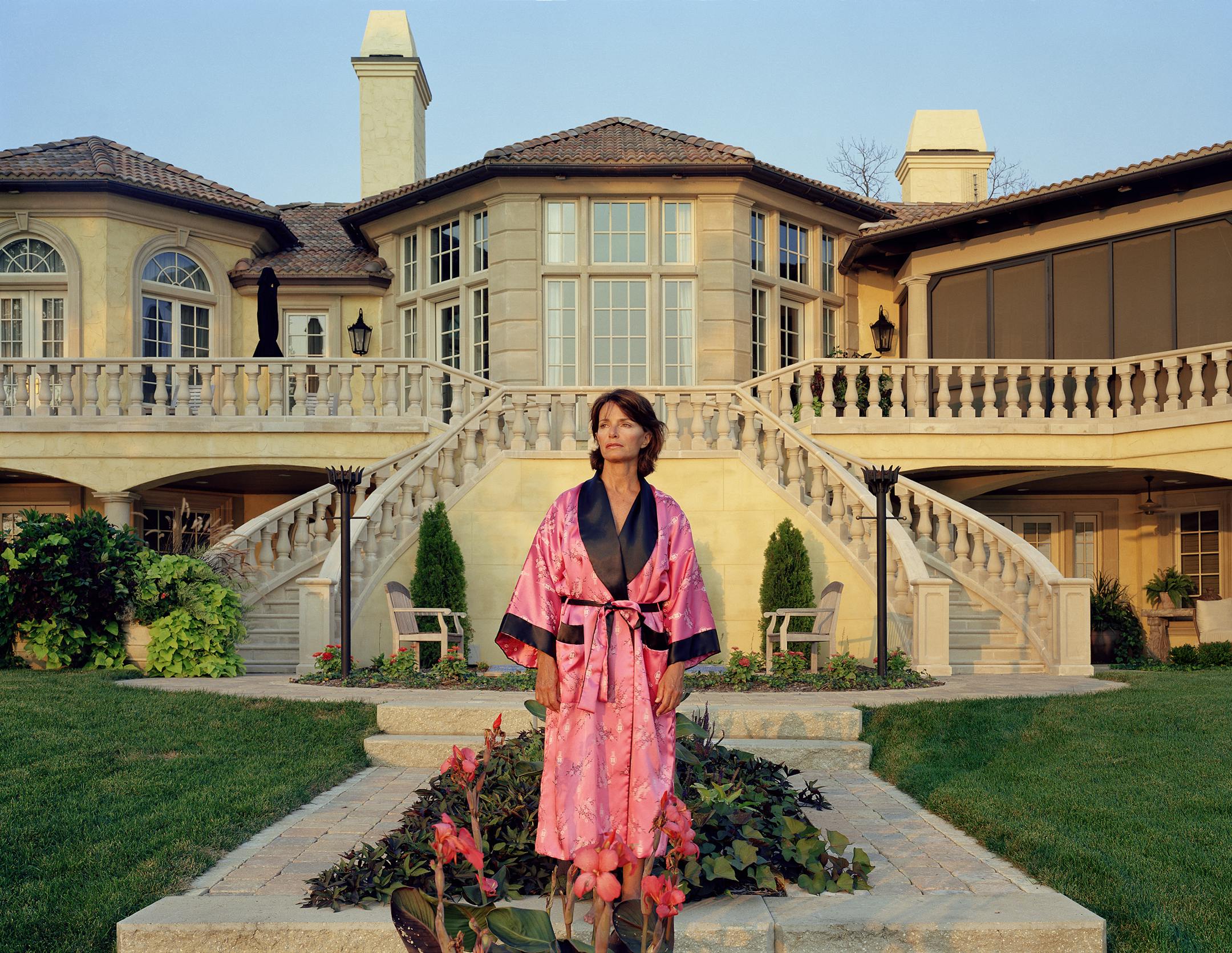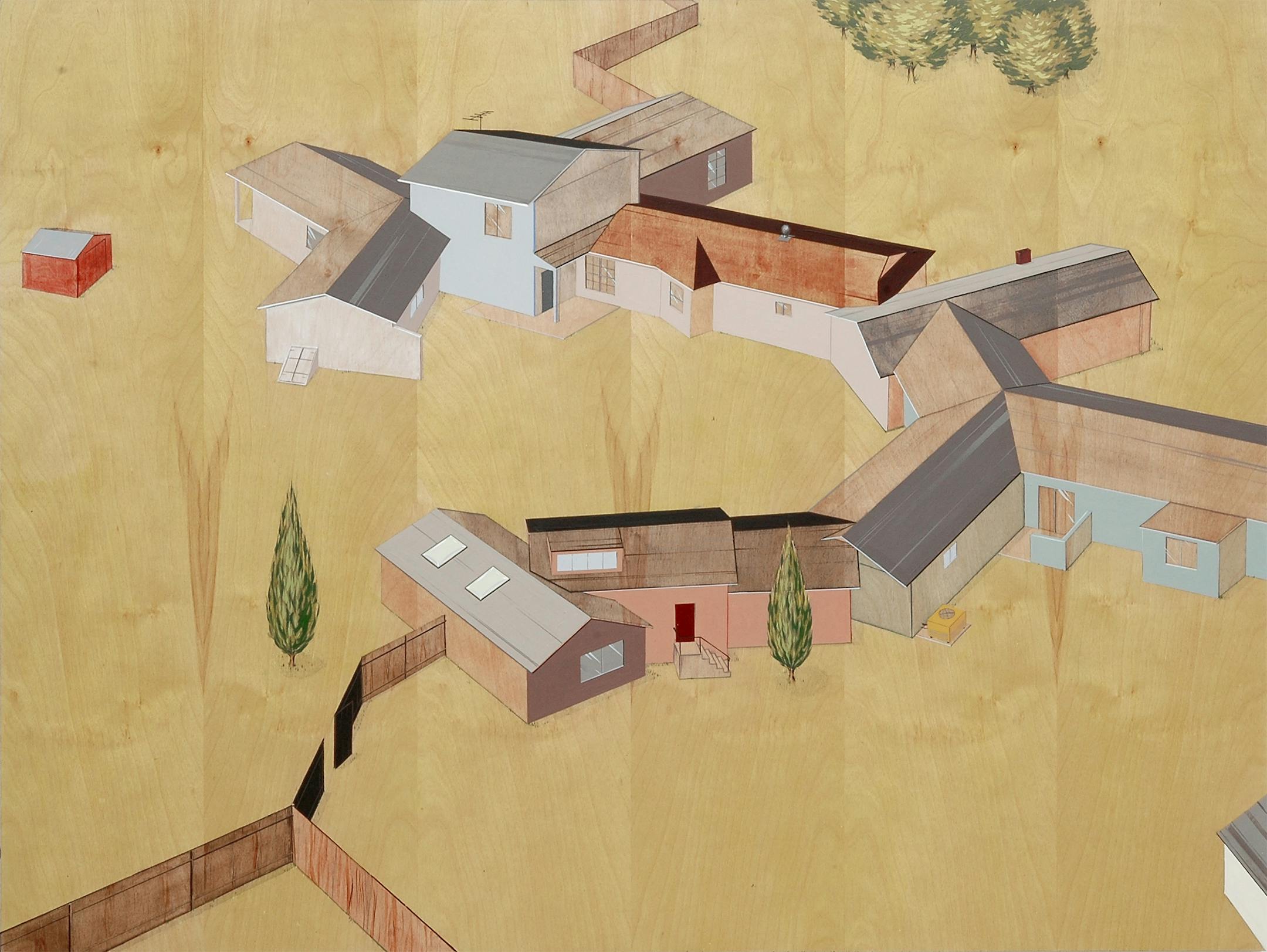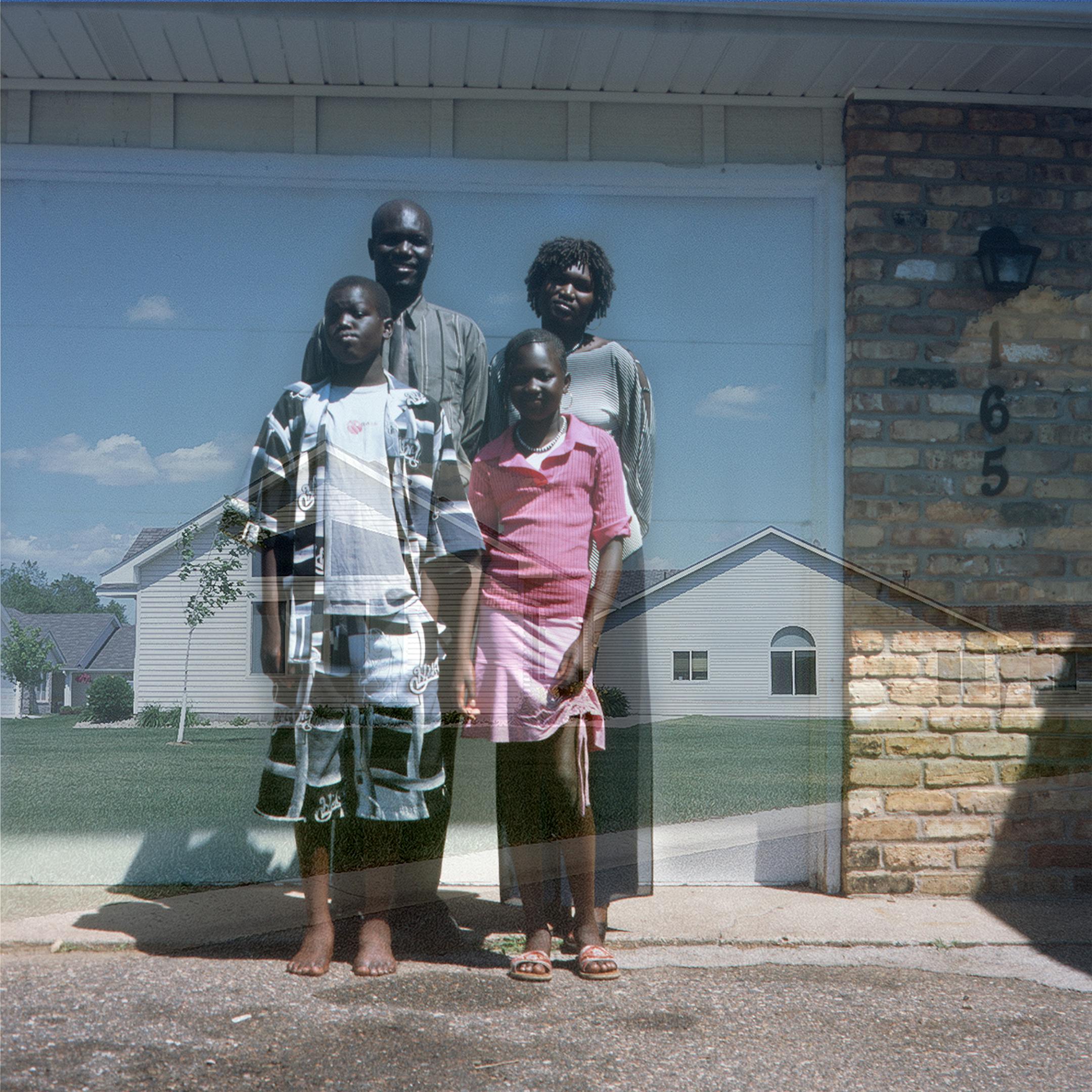
Americans long have had a love-hate relationship with the suburbs, which began sprouting after World War II when new highway networks made urban outskirts accessible to mass populations.
Idealized as utopian precincts of privilege, safety, tidy lawns and picture windows, they were also criticized as psychological sand traps and islands of conformity bereft of culture. Stratified by age, income and ethnicity, they became magnets for whites fleeing urban troubles in the 1960s and home to desirable demographics (soccer moms) in the 1990s.
So where are they now? Walker Art Center investigates in "Worlds Away: New Suburban Landscapes," opening Saturday, with a preview party tonight. Comprising more than 75 paintings, photos, architectural models, videos, sculptures and other art by 30 artists and architects, the show offers a snapshot of the suburbs as they have evolved over the past 20 years.
"I'm one of those people who grew up in the suburbs and hated them," said Tracy Myers, architecture curator at the Heinz Architectural Center at the Carnegie Museum of Art in Pittsburgh. She organized the show with Andrew Blauvelt, Walker's design director and curator.
"This project forced me to suppress my inherent bias and look at them objectively," Myers continued. "More than 50 percent of the American population lives in suburbs now, so there is obviously something people like. We're saying: Here's the reality. Let's see if there is something we can capitalize on."
Stereotype vs. reality
The curators said they had to jettison a lot of common stereotypes about suburbs. Recent census and demographic studies show that they're no longer (if they ever were) trouble-free enclaves of prosperous white families. By 2000, 29 percent of suburbanites were young singles and elderly people living alone. Immigrants are now nearly as likely to settle in the suburbs as in inner cities. A 2001 study found that 19 percent of the country's regional malls were dead or dying. More new homes in outlying areas have spawned traffic tangles; rising fuel prices are curbing expansion. A consensus is growing that unregulated sprawl is environmentally damaging and unsustainable.
The curators quickly realized they could not address all the issues, nor propose solutions to every problem. But they could provide a forum to spark ideas.