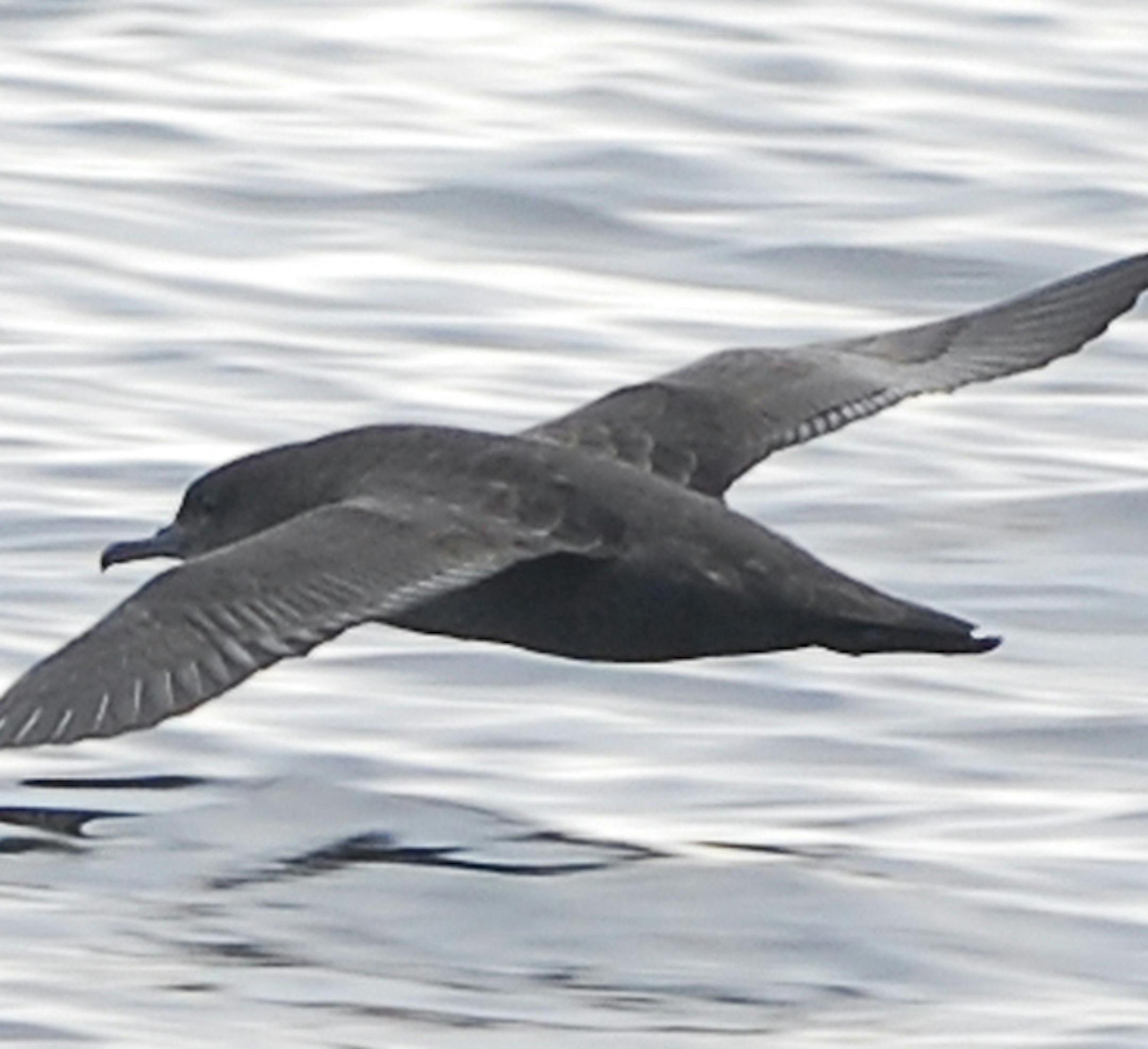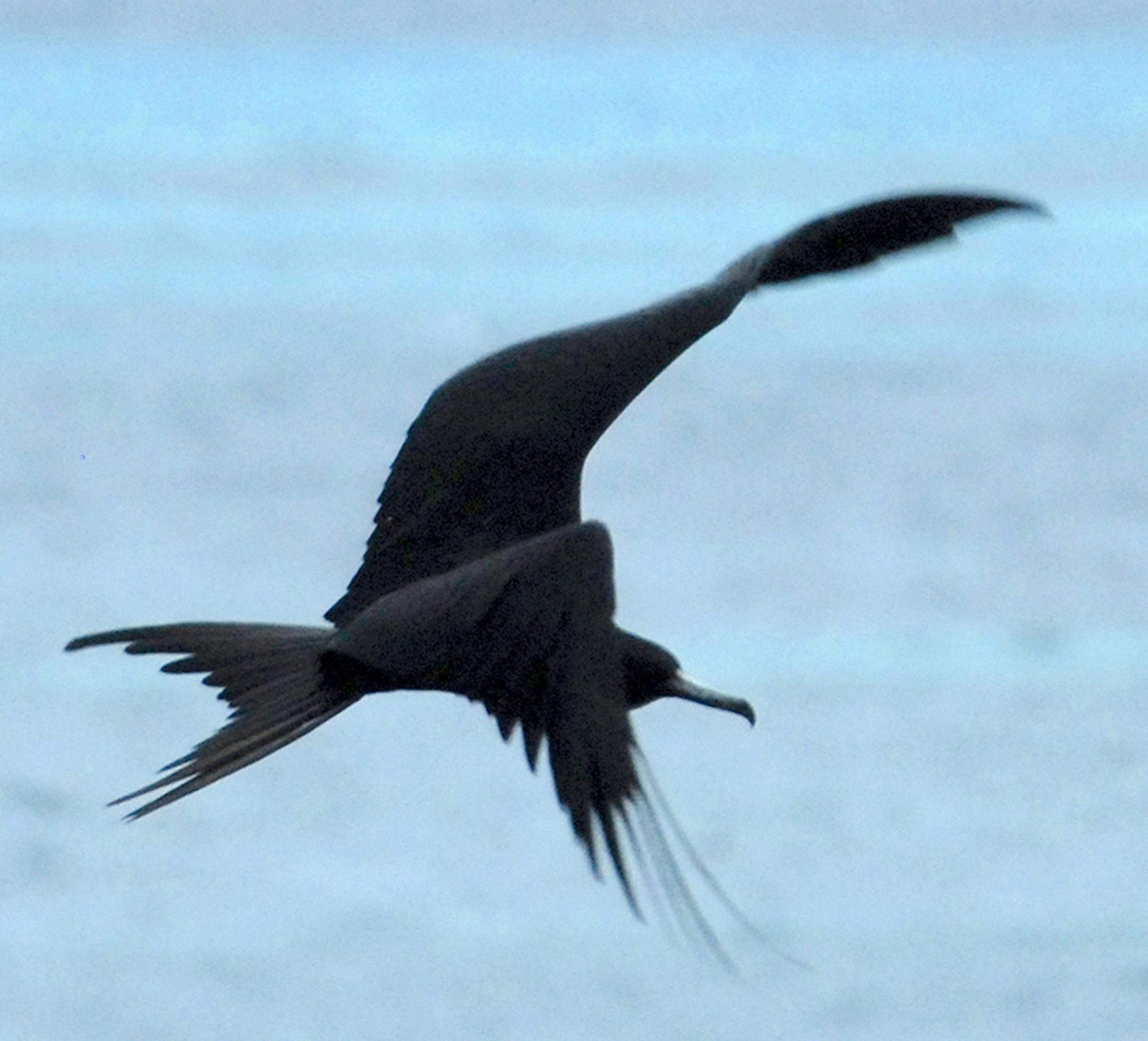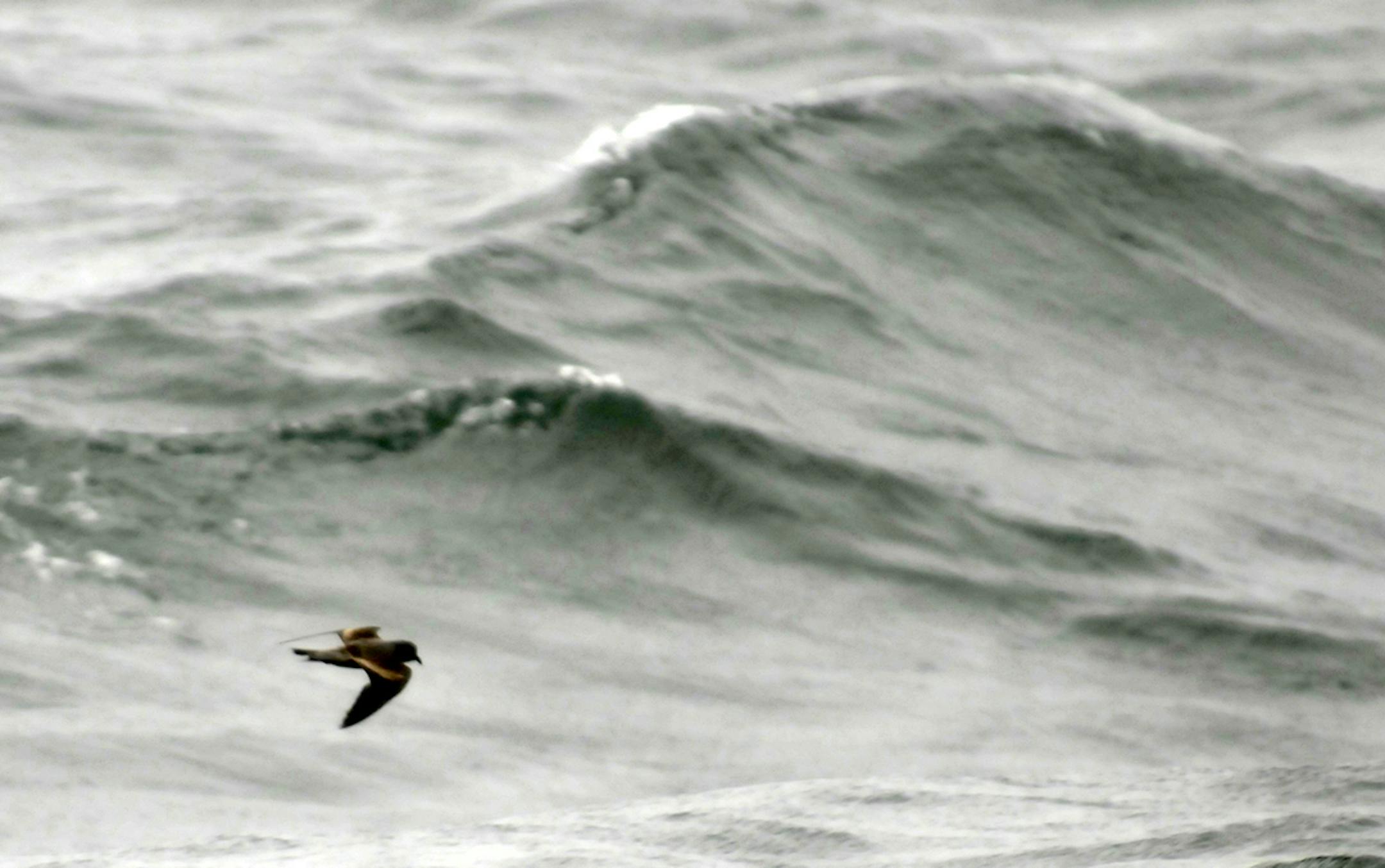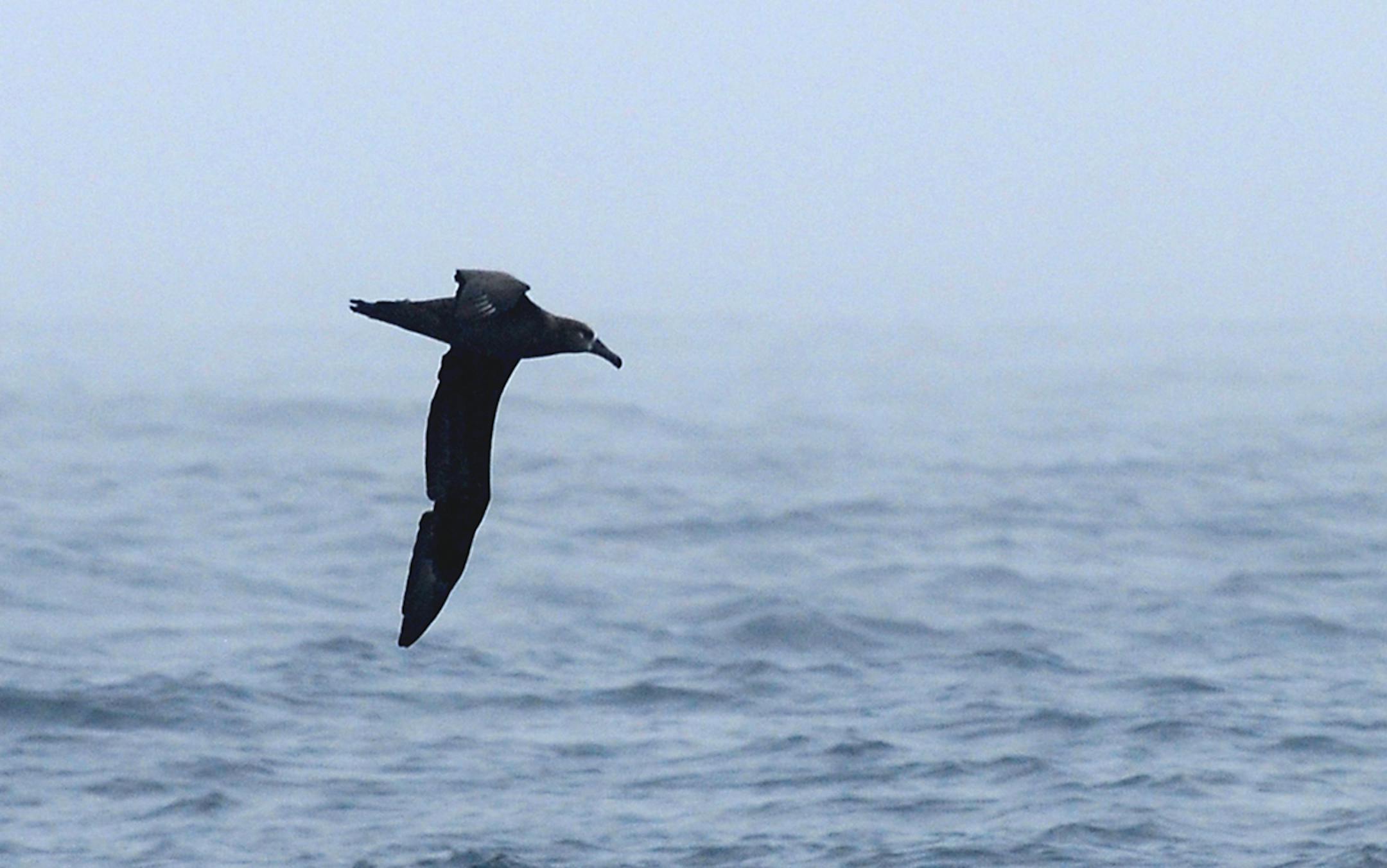
Songbirds and seabirds share flight and feathers but little else.
A chickadee lays seven to eight eggs that hatch in about 13 days. An oceangoing Manx shearwater lays one egg that hatches in 50 days. Chickadees fledge — leave the nest — in about three weeks. Albatrosses fledge in 10 months.
Chickadees are fortunate to see their second or third birthday. Albatrosses not only live into their 60s, but can lay eggs and raise chicks at that age.
Chickadees can find insect food seconds from their nest. An albatross will fly as many as 9,000 miles during one 20-day trip to find and deliver food to its incubating mate.
Seabirds are members of a family of near 350 species that live on, over and adjacent to oceans.
Until recently, seabirds were noteworthy for the things we didn't know about them: migration patterns, nesting locations, nesting biology, or even how these birds made a living at sea.
Answers came only when modern electronics made possible instruments small enough to be carried by birds — harnessed to their backs, tied to their legs, carried in their mouths or stomachs. The smallest devices weigh one gram, .03 ounces. Some are solar-powered.
Seabird questions are answered in Michael Brooke's "Far From Land: The Mysterious Lives of Seabirds," an entertaining and informative book to be published in March.