

Rock-bottom natural gas prices are undercutting Minnesota's taxpayer-supported efforts to expand home-grown energy sources like wood chips and cornstalks.
Minnesota has spent more than $11 million in taxpayer and utility funds to advance technologies that burn biomass for heat and electric generation or convert it to a synthetic gas. Now, it's getting difficult for the technology to compete.
"The era of low-priced natural gas has blunted opportunities for biomass and other renewables," said Doug Tiffany, an agricultural economist at the University of Minnesota.
Natural gas prices have dropped by half since their peak in 2008 as exploration using hydraulic fracturing opened new gas fields in shale formations beneath Texas, Pennsylvania and elsewhere.
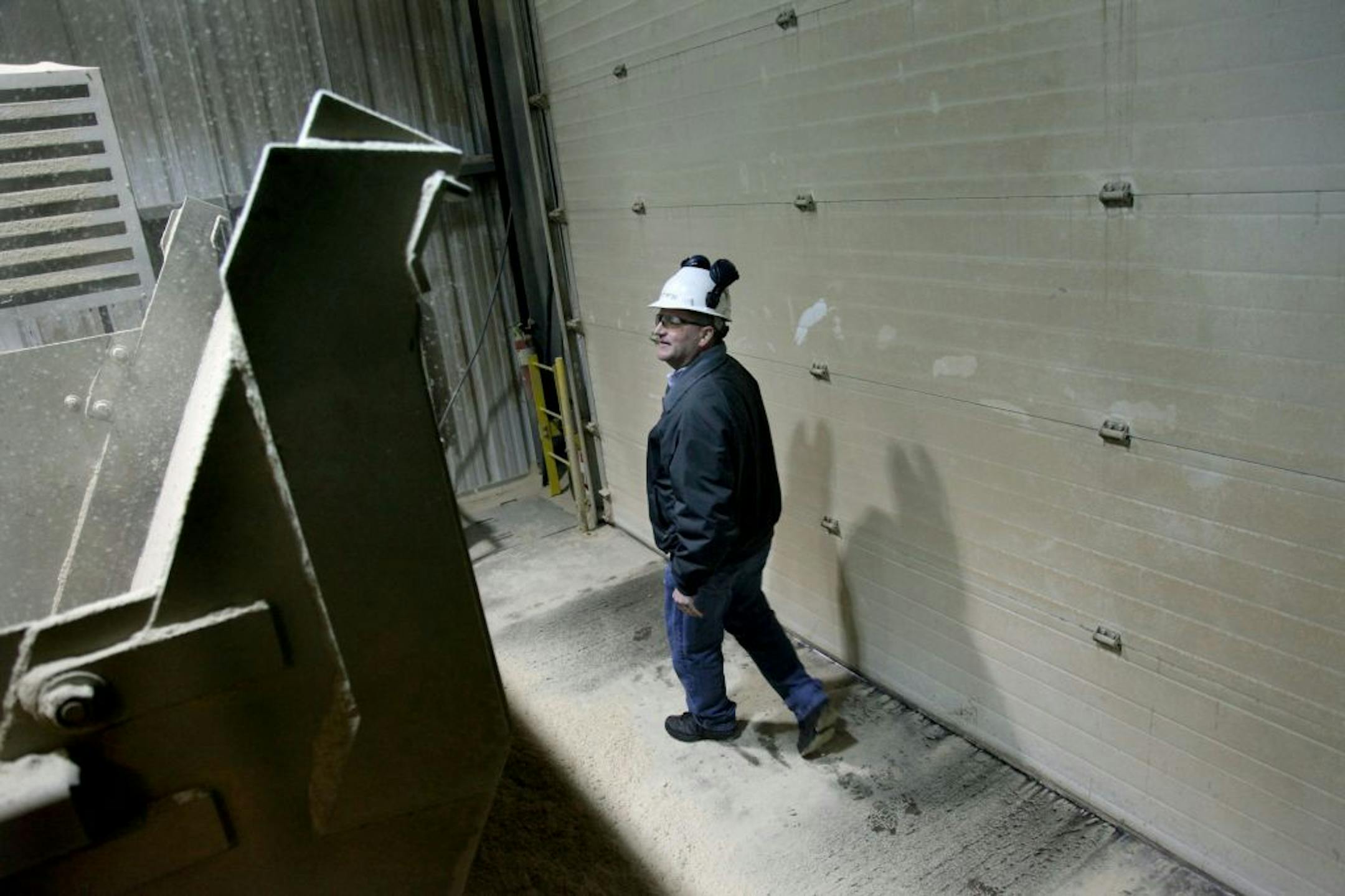
What's been a bonanza for those states has been just the opposite for Chippewa Valley Ethanol in Benson, Minn., 125 miles west of the Twin Cities. The cooperative spent more than $20 million in 2008 on a system that gasifies wood chips and corncobs.
The technology worked, and for a time furnished about 20 percent of the adjacent ethanol plant's process heat. But as the price of natural gas dropped, the plant resumed using it. The gasifier has been idle more than a year.
"The opportunity to displace natural gas has basically gone away, at least in the near term, with the shale-gas revolution," said William Lee, CEO of Frontline BioEnergy, the Ames, Iowa-based company whose biomass-gasification technology was used in Benson. He said the company is adapting its technology to gasify refuse, which may offer better economics.
State support for biomass



