

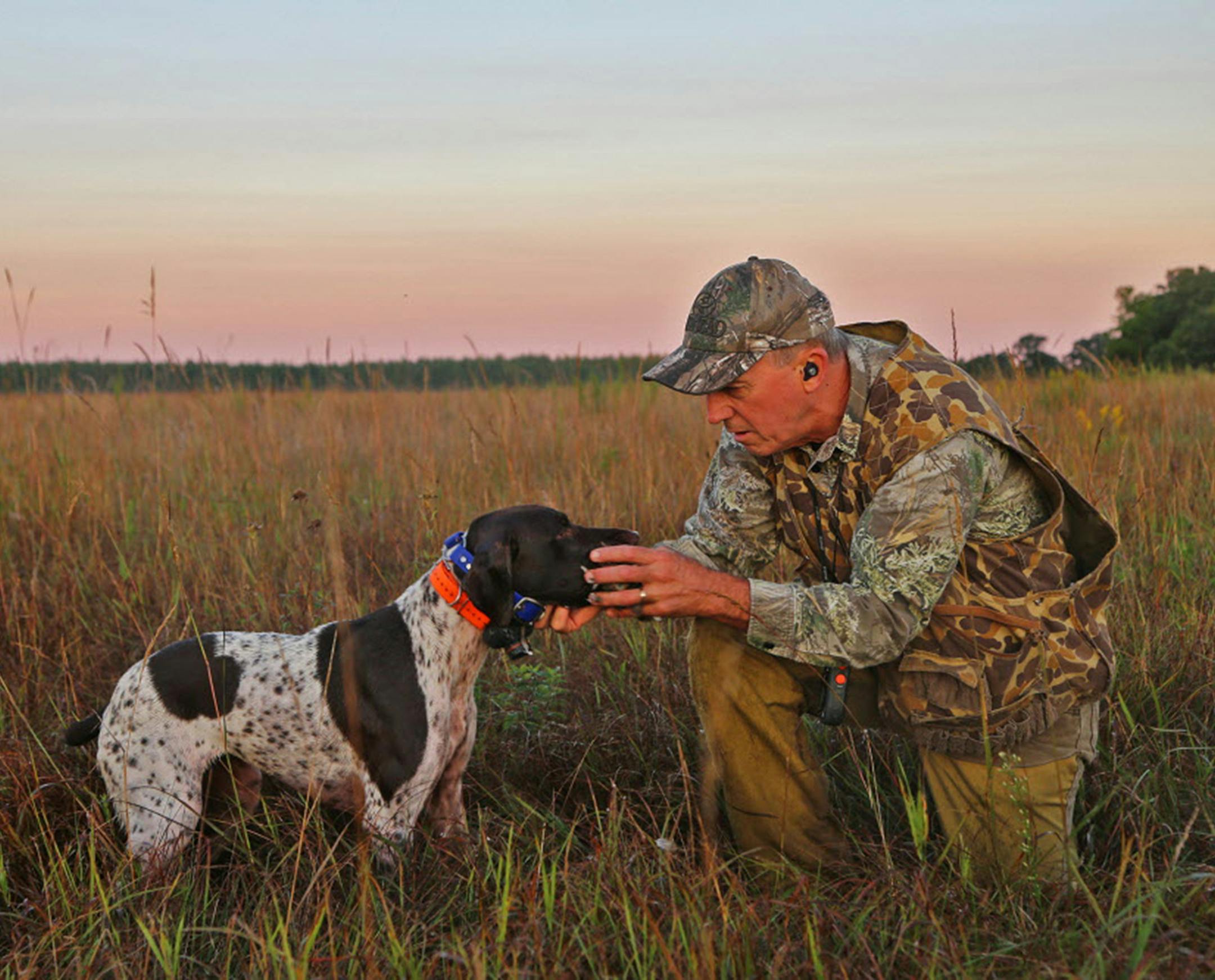
When Scott Doheny hunted mourning doves in 2004 after the Minnesota Legislature reinstated the season after a nearly 60-year absence, he had lofty expectations.
"I was really excited to get out for the first time and scout and find a place to hunt on the opener," said Doheny, 49, of New Prague. "I was looking at it as a prelude to the duck season. When you read about dove hunting in the South or even in the Dakotas, it creates an expectation you're going to see large concentrations of birds. But I had a hard time even finding a small-grain field to hunt just outside the metro area. To be honest, I haven't done it since."
Doheny likely isn't alone. On the eve of the Sept. 1 dove opener, hunter participation since 2004 hasn't come close to the 30,000 to 50,000 state officials estimated would hunt and eventually rival ruffed grouse, ducks and pheasants as the state's most sought-after game birds. Even despite the fact mourning doves are highly abundant, fun to hunt, require little gear, are easy to clean and make excellent table fare.
"I lived in Texas for four years and, like many southern states, Texas has a well-established dove-hunting tradition," said Steve Cordts, Minnesota DNR waterfowl staff specialist. "It's like the walleye or deer opener in Minnesota. Groups of guys, friends and family, hunt the same managed fields, and sit on the same buckets, year after year and the hunting is second to none. Developing a tradition like that takes time. Do I think we'll establish the same tradition in Minnesota? In hindsight, probably not. At least not to that degree."
Dove numbers
Doves are the nation's No. 1 game bird, with an estimated population of roughly 350 million. Annually, hunters nationwide kill about 16 million, far surpassing ducks, geese and other game birds. In 2004 in Minnesota, about 16,000 hunted doves. Since then, the average has been about 10,000, with an annual harvest of 100,000 birds. By contrast, Texas averages about 250,000 hunters, who kill about 5 million doves annually.
Cordts said several factors are likely conspiring against more robust participation in Minnesota. First, he said, unlike many southern-latitude states, Minnesota doesn't have huge dove concentrations and has fewer small-grain fields (which doves prefer and are attracted to) and more corn and soybeans; second, doves are climate-sensitive and migrate quickly after cool weather hits; third, Minnesotans have more hunting options in September, such as early goose season, which coincides with the dove season. Some state officials say the growing popularity of fall fishing is likely depleting the pool of potential dove hunters.
"Western Minnesota still has plenty of small-grain fields and consequently good dove hunting," said Cordts, an avid dove hunter. "But you have to do a lot of scouting, and the same fields that are good for doves are also good for geese. So there's some competition in play."
Doheny of New Prague agrees. "When you do find the rare picked wheat field south of the metro, it's invariably locked up for goose hunting," he said.


