Clean drinking water is something almost everyone — at least in the United States — takes for granted. Turn on the tap and it's there.
But few people know exactly where it comes from and the elaborate steps most cities take to make sure it's clean and safe.
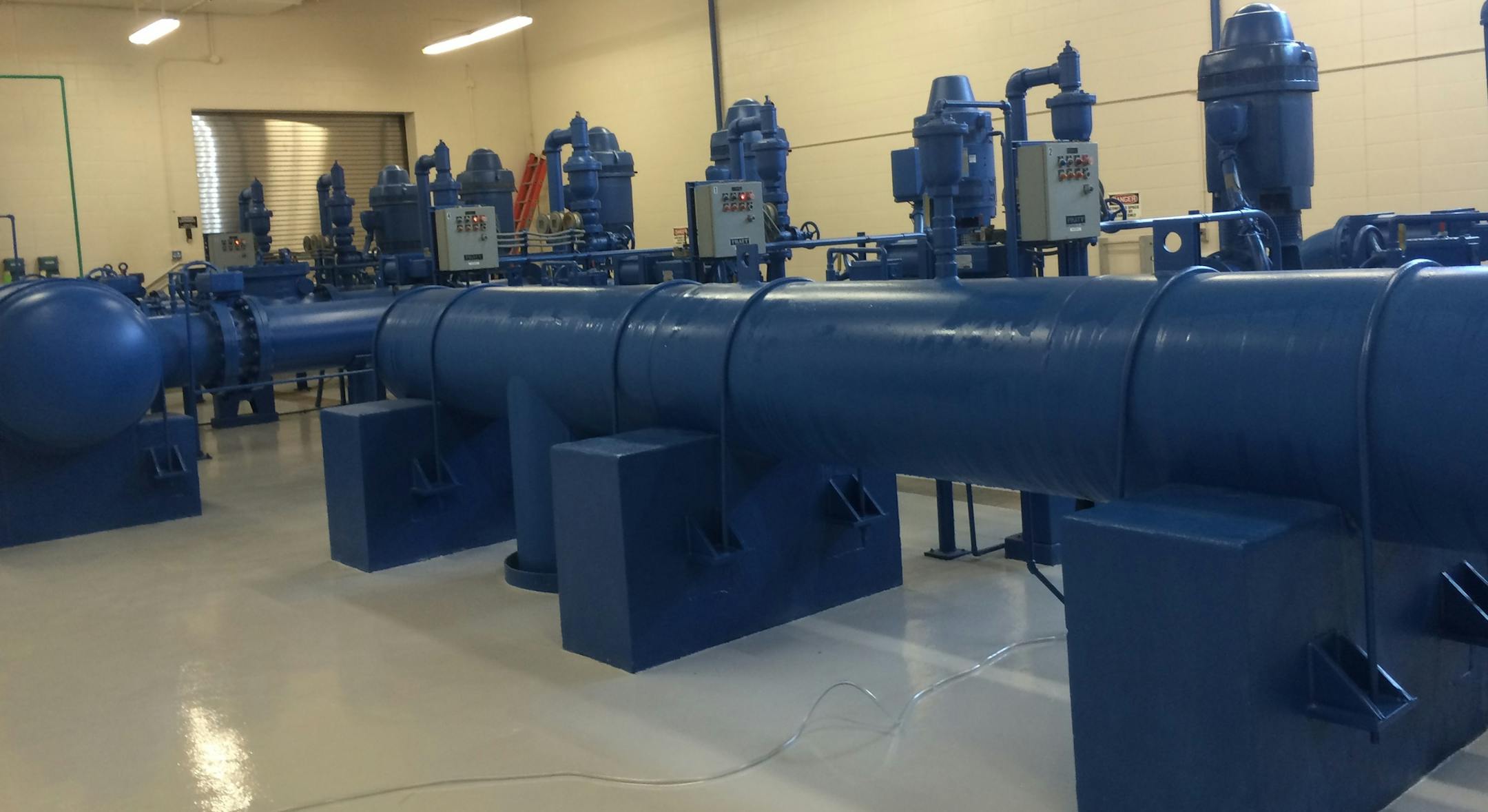
Apple Valley last month completed a $15 million expansion of its Water Treatment Facility and maintenance campus and about 250 people showed up at a July 25 open house to climb on snowplows and explore the huge new concrete utility garage and vehicle wash bay.
The treatment facility, which provides water to the city's almost 50,000 residents, didn't lack capacity, the city simply wanted to be able to accommodate future growth, said acting public works director Colin Manson.
Utility supervisor Carol Blommel Johnson led a tour of the facility last week and explained how it works:
Apple Valley routinely uses 15 wells, each sunk 450- to 480-feet deep into the Jordan aquifer, which runs under parts of Minnesota, Iowa, Illinois and Michigan. Another five wells provide emergency backup.
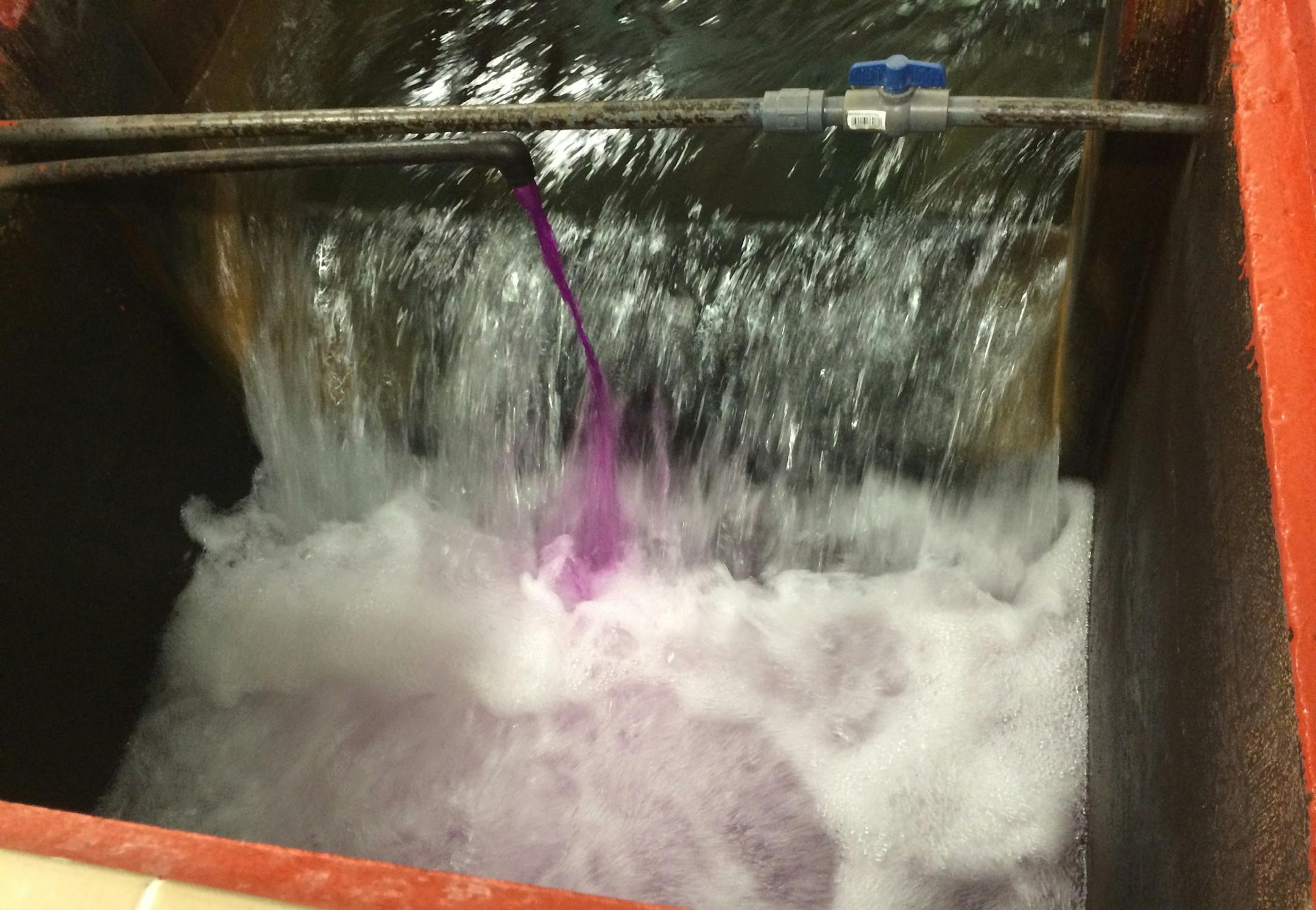
The water flows into the treatment plant via a huge vertical mint-green pipe, then into a concrete reservoir the size of a tiny bathroom. There, sodium permanganate and the first dose of chlorine are added to aerate and oxygenate the water, which is then sent three ways to 12 filter cells.
The plant, monitored and run almost entirely by computer, theoretically can produce 24 million gallons of drinking water per day. It typically it produces 4 million gallons a day in the winter and up to 16 million gallons a day in the summer months.