
Anglers urged to switch to lead-free tackle

May 8, 2008 at 2:06PM
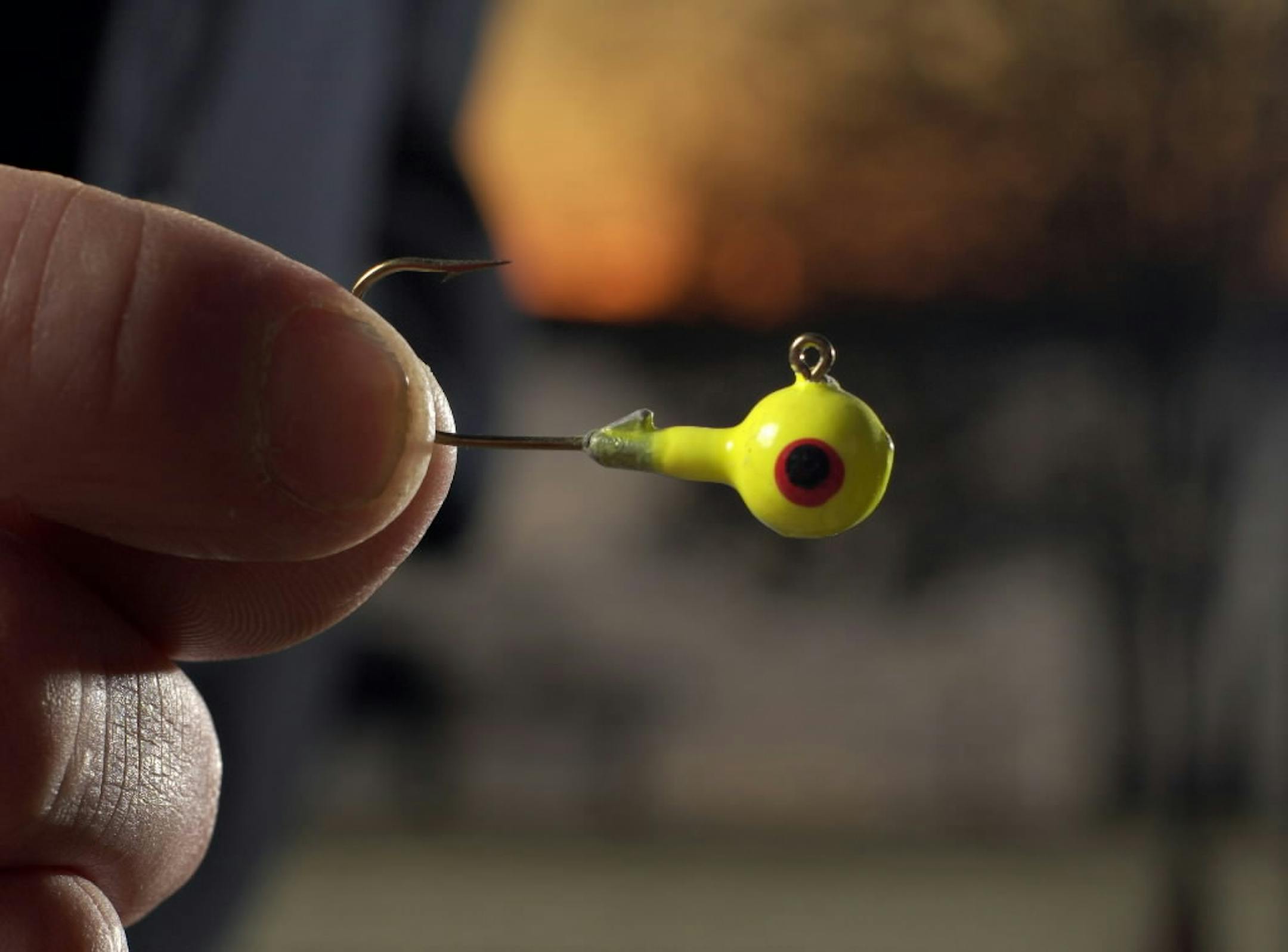
A lead-headed jig, which is popular among opening day walleye anglers in Minnesota.
A lead-headed jig, which is popular among opening day walleye anglers in Minnesota. (Paulette Henderson — Star Tribune/The Minnesota Star Tribune)

As anglers in Minnesota prepare their gear for the Saturday fishing opener, state officials are asking that only lead-free tackle be used.

The Minnesota Pollution Control Agency says that lead is toxic and harms the nervous and reproductive systems of mammals and birds.

Found in most fishing jigs and sinkers, lead is poisoning wildlife such as loons and eagles.

"When lead fishing sinkers are lost through broken line or other means, birds can inadvertently eat them," the agency said in a news release. "Water birds such as loons and swans often swallow lead when they scoop up pebbles from the bottom of a lake or river to help grind their food. Eating just one lead sinker can poison a loon. Eagles ingest lead by eating fish, which have themselves swallowed sinkers."

The agency offers these tips:

• Use nonlead fishing weights. Anglers should use sinkers and jigs made from non-hazardous materials such as steel, tin and bismuth.

• Never throw old fishing gear into the water or shore. For example, you may want to bring them to your local household hazardous waste collection site during your next visit.

• Never put a lead sinker in your mouth or bite down on slip shot. Use a pair of pliers instead.

• Always wash you hands thoroughly after handling lead sinkers or cleaning out your tackle box.

For more information about lead-free tackle and a list of Minnesota locations where it is available, visit www.startribune.com/a4367.

Paul Walsh • 612-673-4482

about the writer

about the writer

Paul Walsh

Reporter

Paul Walsh is a general assignment reporter at the Minnesota Star Tribune. He wants your news tips, especially in and near Minnesota.

See Moreicon

More from No Section

See More
FILE -- A rent deposit slot at an apartment complex in Tucker, Ga., on July 21, 2020. As an eviction crisis has seemed increasingly likely this summer, everyone in the housing market has made the same plea to Washington: Send money — lots of it — that would keep renters in their homes and landlords afloat. (Melissa Golden/The New York Times) ORG XMIT: XNYT58
Melissa Golden/The New York Times

It’s too soon to tell how much the immigration crackdown is to blame.