

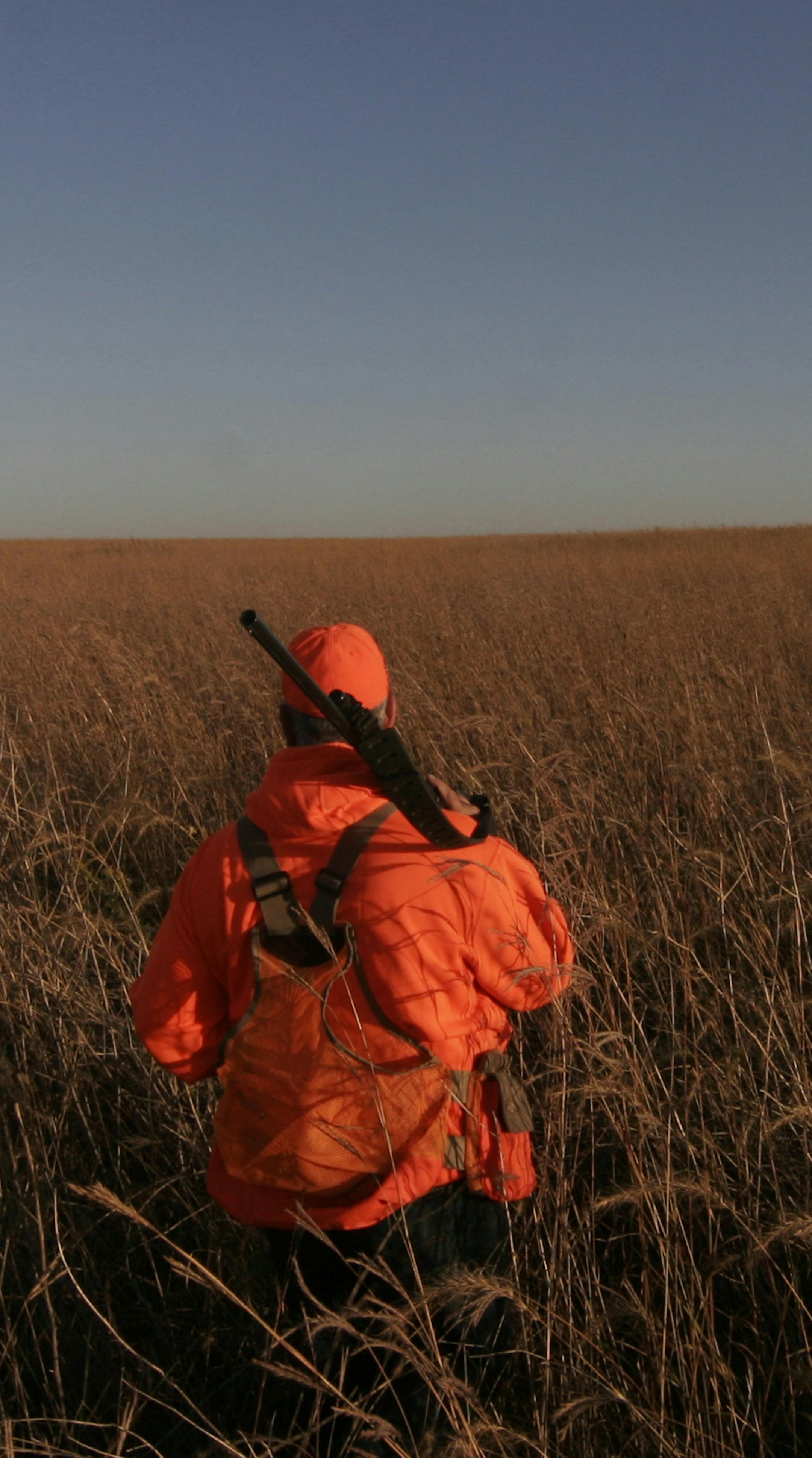
Watching a rooster pheasant rise ahead of an eager gundog is a priceless experience, which is in part explains why some 70,000 Minnesotans will be afield Saturday when the state's 2017 ringneck season begins.
But sometimes the value of a florid cock pheasant flushing from cover can in fact be measured in dollars and cents. Witness the efforts by nine southwest Minnesota counties to enhance the bottom lines of area businesses by marketing the region as the state's go-to place to hunt Phasianus colchicus.
Call it trickle-down economics, with a blaze orange twist.
Unique in Minnesota, the endeavor (swmnhunting.com) recognizes that hunters — in this case, pheasant hunters — spend a lot of money when they travel, not just for licenses and stamps, but for gas, lodging, food and equipment.
"The leisure and hospitality industry in Lyon County alone in 2015 was a $52 million business," said Darin Rahm, director of the Marshall Convention and Visitors Bureau. "Not all of that is related to hunting and visits to our parks, trails and other outdoor activities, but a large portion is."
Most traveling pheasant hunters who tramp the uplands of Lyon, Lincoln, Murray, Pipestone, Cottonwood, Jackson, Rock, Redwood and Nobles counties are from the Twin Cities, Rahm said, with a sprinkling from Wisconsin, Iowa and other states.
Hunters are attracted to the region by its relatively vast amount of public lands. Twenty federal waterfowl production areas totaling approximately 3,800 acres lie within 25 miles of Marshall alone, along with 132 state wildlife management areas covering 24,407 acres.
Additionally, the state's walk-in access program has added 8,725 acres of hunting land in the southwest in recent years.


