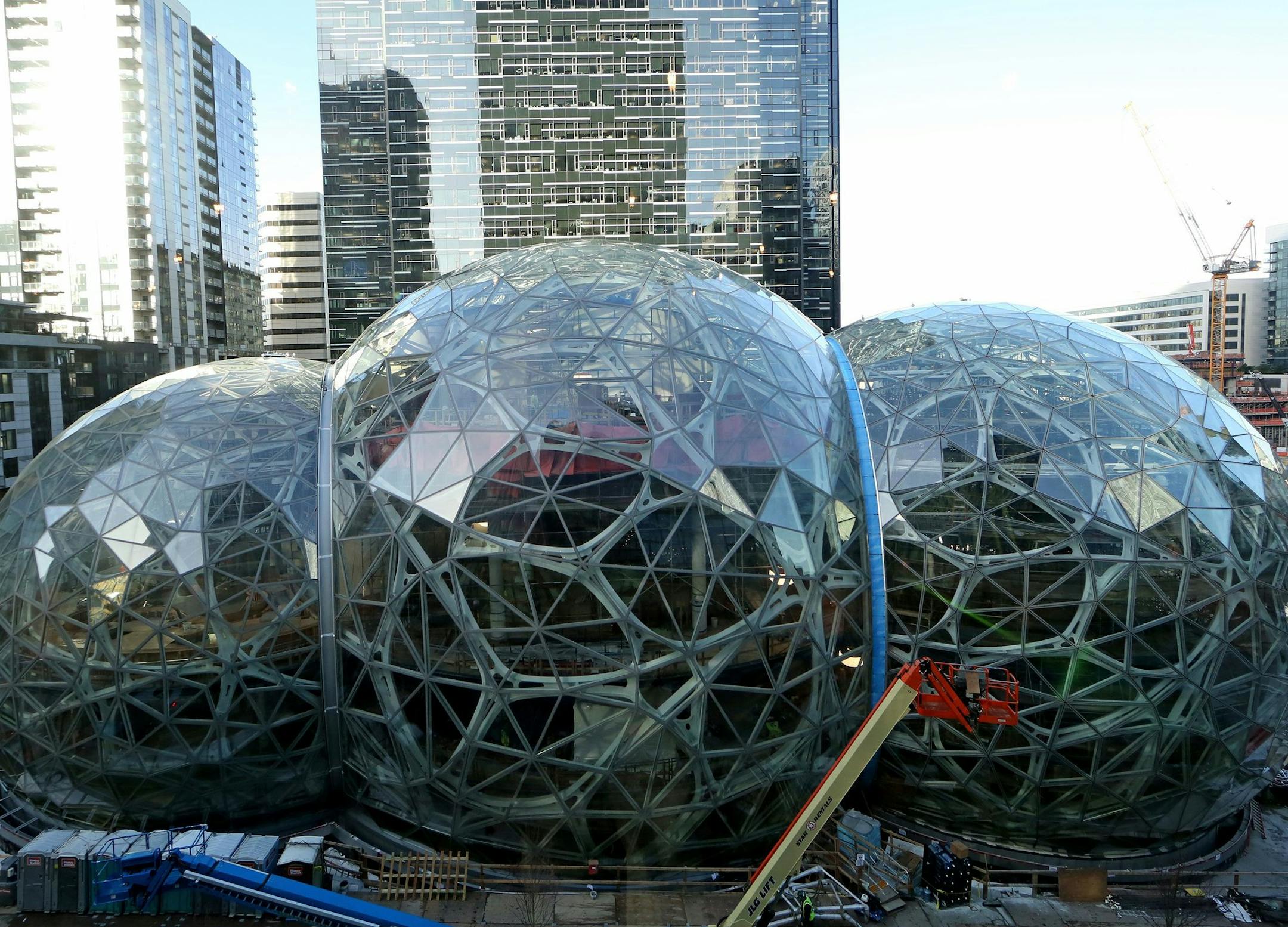
SEATTLE – Of all of Amazon.com's transformations of Seattle's urban core, perhaps no single project has drawn as much curiosity as the glass domes now slowly emerging.
The fruit of a bold design, the so-called Spheres will serve as a haven of carefully tended nature geared to letting Amazonians break free from their cubicles and think disruptive thoughts. It's an internet-era, Pacific Rim answer to the architecturally astounding gardens set up by European monarchs during the Enlightenment era.
The structures are also the architectural crown jewel of Amazon's $4 billion investment in building an urban campus, a landmark that symbolizes the rise of what 20 years ago was a fledging online bookstore into a global e-commerce and cloud-computing leviathan.
"We wanted to do something that was not only great for employees, but for the city as a whole," said John Schoettler, Amazon's real estate director. "It's all about our pioneering spirit, our being inventors."
The erection of the Spheres comes at a time when several dominant tech companies, flush with cash, are making their physical marks upon the world in the form of innovative office space. Apple is building a futuristic, circle-shaped campus in Silicon Valley scheduled to open later this year; Google is also planning a shiny new mother ship. "The tech industry is trying now to express itself through buildings," said Gundula Proksch, a professor of architecture at the University of Washington.
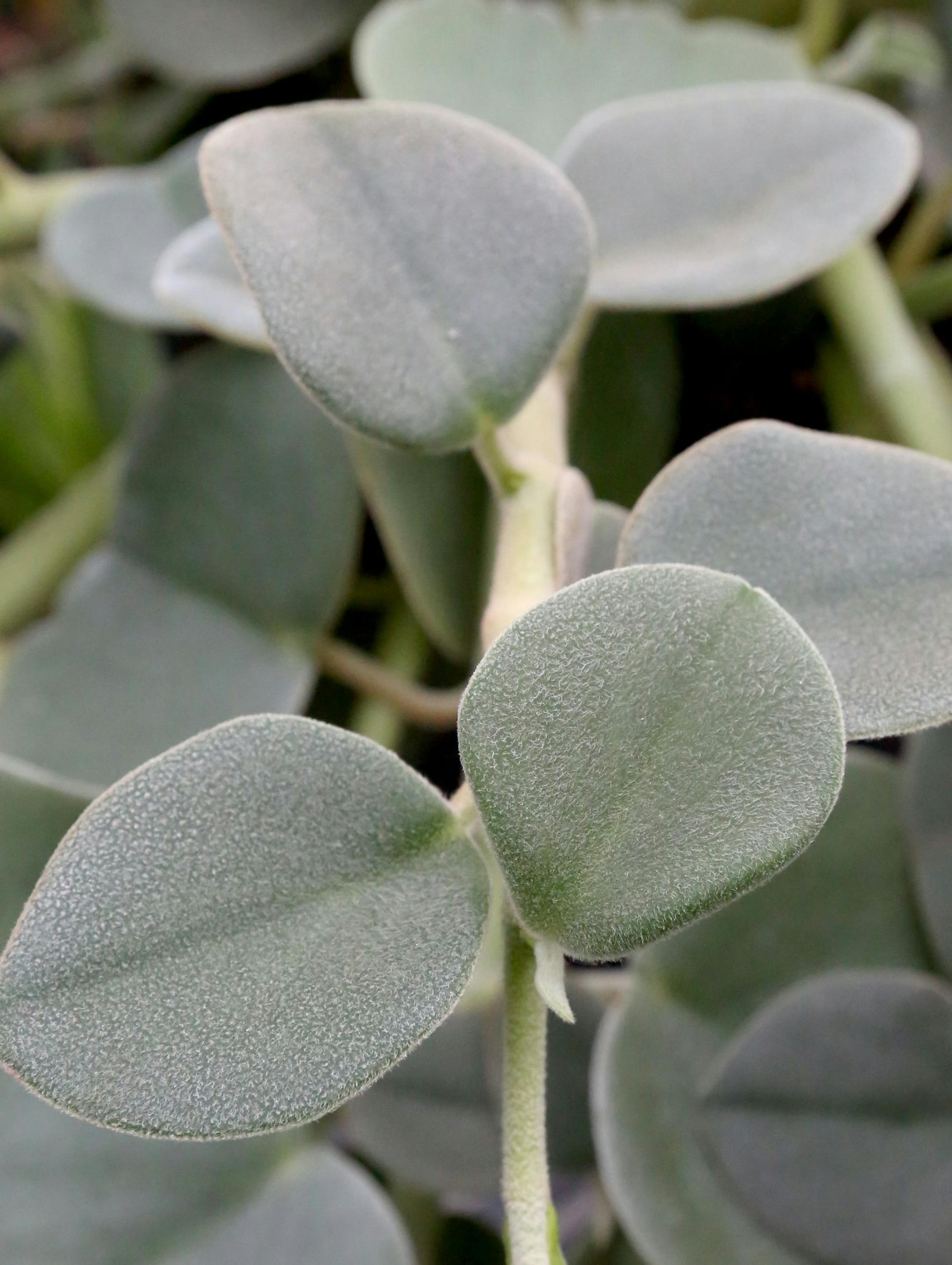
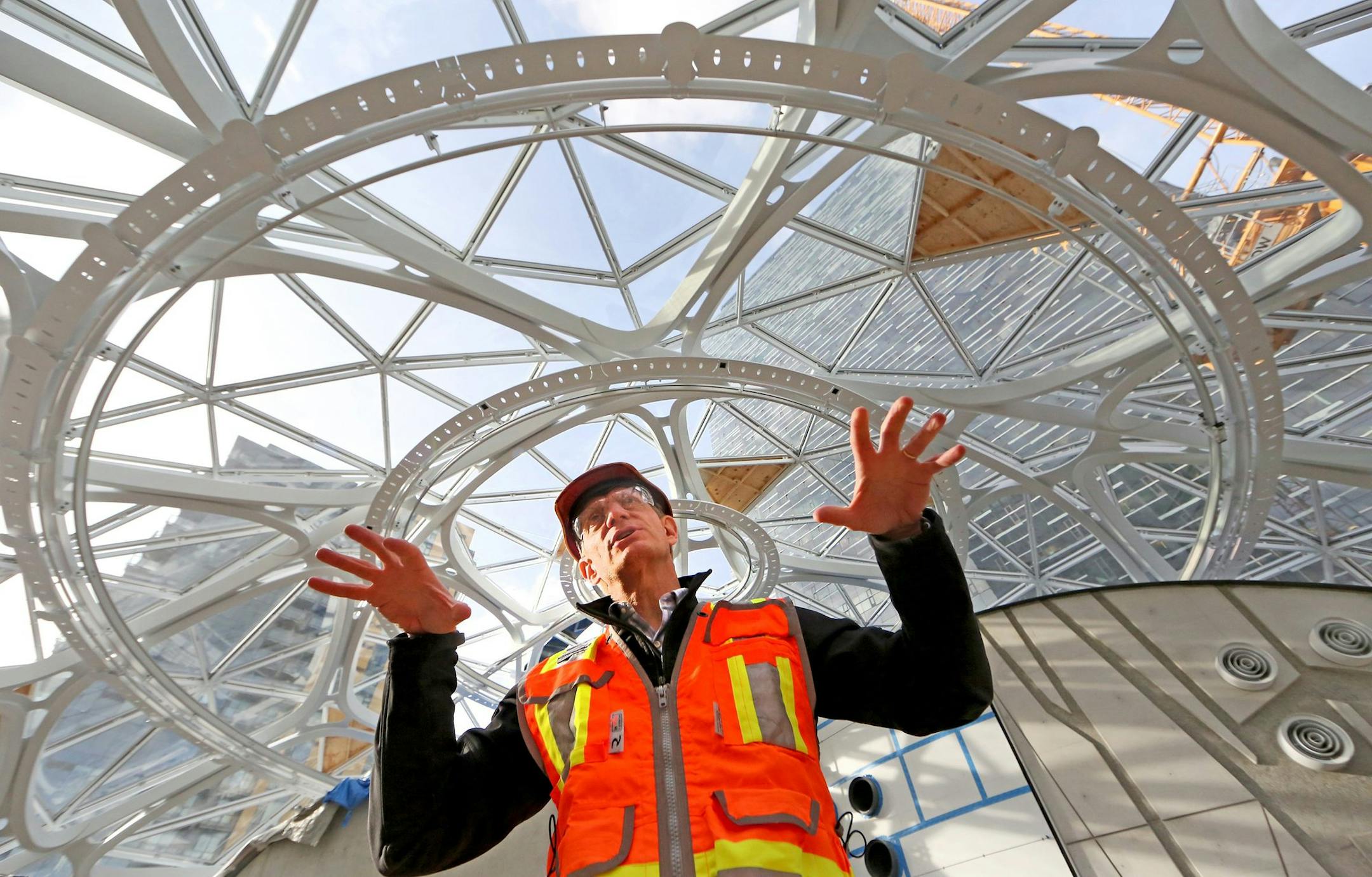
A recent walk through the Spheres showed construction is well along. A towering concrete wall is in place that later this year will be a canvas to luxuriant vegetation. So are the five stories through which more than 800 Amazonians at a time will be able to roam.
The tallest of the three interconnected spheres will be 90 feet high and 130 feet in diameter, and it's where all the activity will happen. The two other spheres are there to harbor trees.
There will be waterfalls, a river, even treehouse-like spaces overlooking tropical gardens. During the day, the average temperature will be 72 degrees, with 60 percent humidity, a climate akin to Costa Rica's paradisiacal Central Valley — good conditions for both plants and people.