

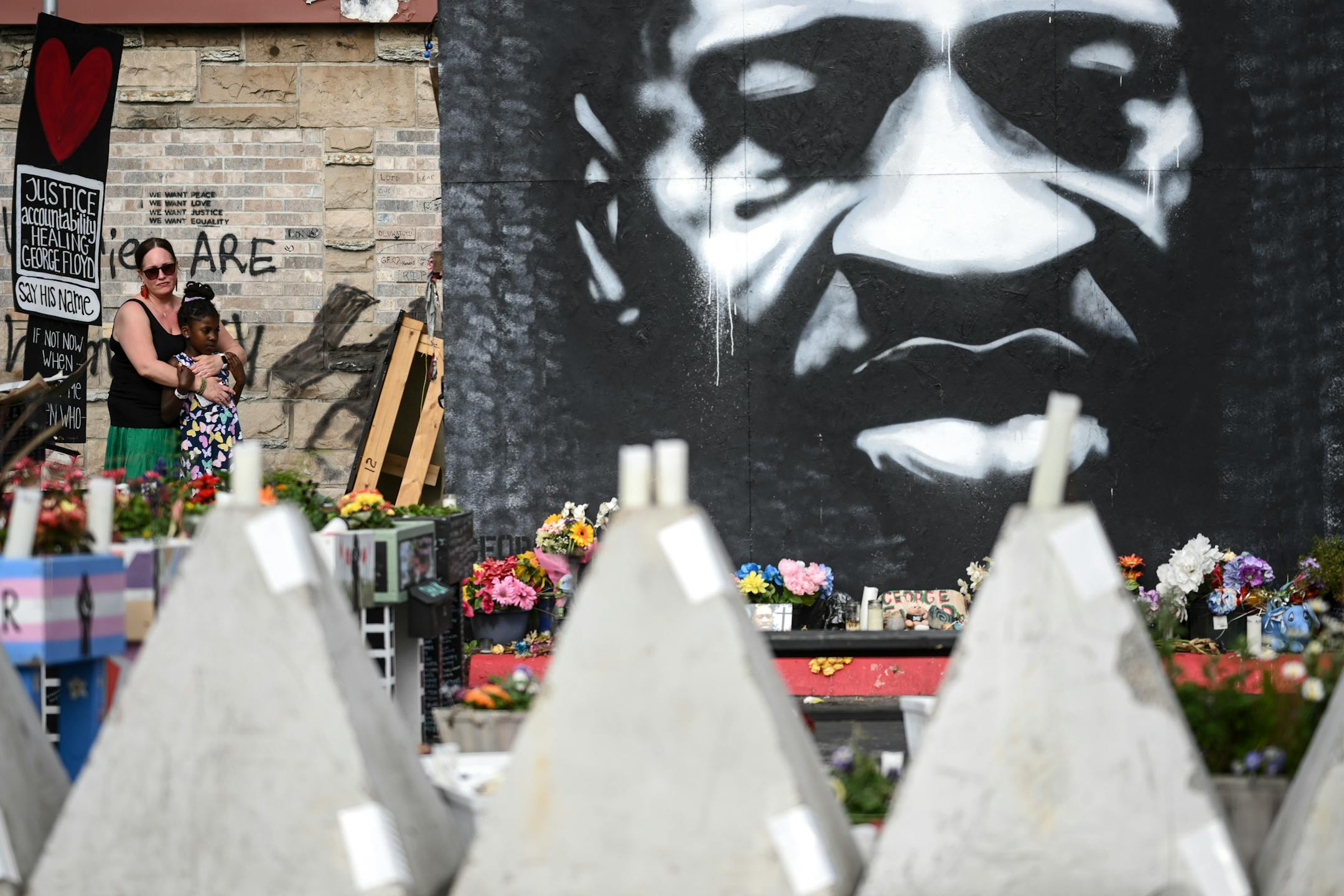
For the second time this year, a jury in Minneapolis has ruled against a former police officer for killing a Black man.
Like the conviction of Derek Chauvin for the murder of George Floyd, the verdict Thursday against Kimberly Potter on two counts of manslaughter for the shooting death of Daunte Wright during a traffic stop represented an unusual decision to send a police officer to prison.
And yet, despite the two high-profile convictions in Minneapolis, a review of the data a year and a half after America's summer of protest shows that accountability for officers who kill remains elusive and that the sheer numbers of people killed in encounters with police have remained steady at an alarming level.
The murder of Floyd on a Minneapolis street corner drew millions to the streets in protest and set off a national reassessment on race that touched almost every aspect of American life, from corporate boardrooms to sports nicknames. But on the core issues that set off the social unrest in the first place — police violence and accountability — very little has changed.
Since Floyd's death in May of last year, 1,646 people have been killed by the police, or about three people per day on average, according to Mapping Police Violence, a nonprofit that tracks people killed by police. Although murder or manslaughter charges against officers have increased this year, criminal charges, much less convictions, remain exceptionally rare.
That underscores both the benefit of the doubt usually accorded law officers who are often making life-or-death decisions in a split second and the way the law and the power of police unions often protect officers, say activists and legal experts.
The convictions of both Chauvin, the former Minneapolis officer who was captured on an excruciating bystander video pinning Floyd to the ground for more than nine minutes as he gasped for air, and Potter strike some experts as tantalizing glimpses of a legal system in flux. Potter's case in particular reflected the kind of split-second decision — she mistakenly used her gun instead of her Taser after Wright tried to flee an arrest — that jurors usually excuse even when something goes horribly wrong.
Chris Uggen, a sociology and law professor at the University of Minnesota, said that even though the number of people killed by police remained prevalent, high-profile cases could still send a message to the police.


