Before it moves on to London, "Delacroix's Influence" has a few more weeks — five, in fact — to run in Minneapolis. It should not be missed.
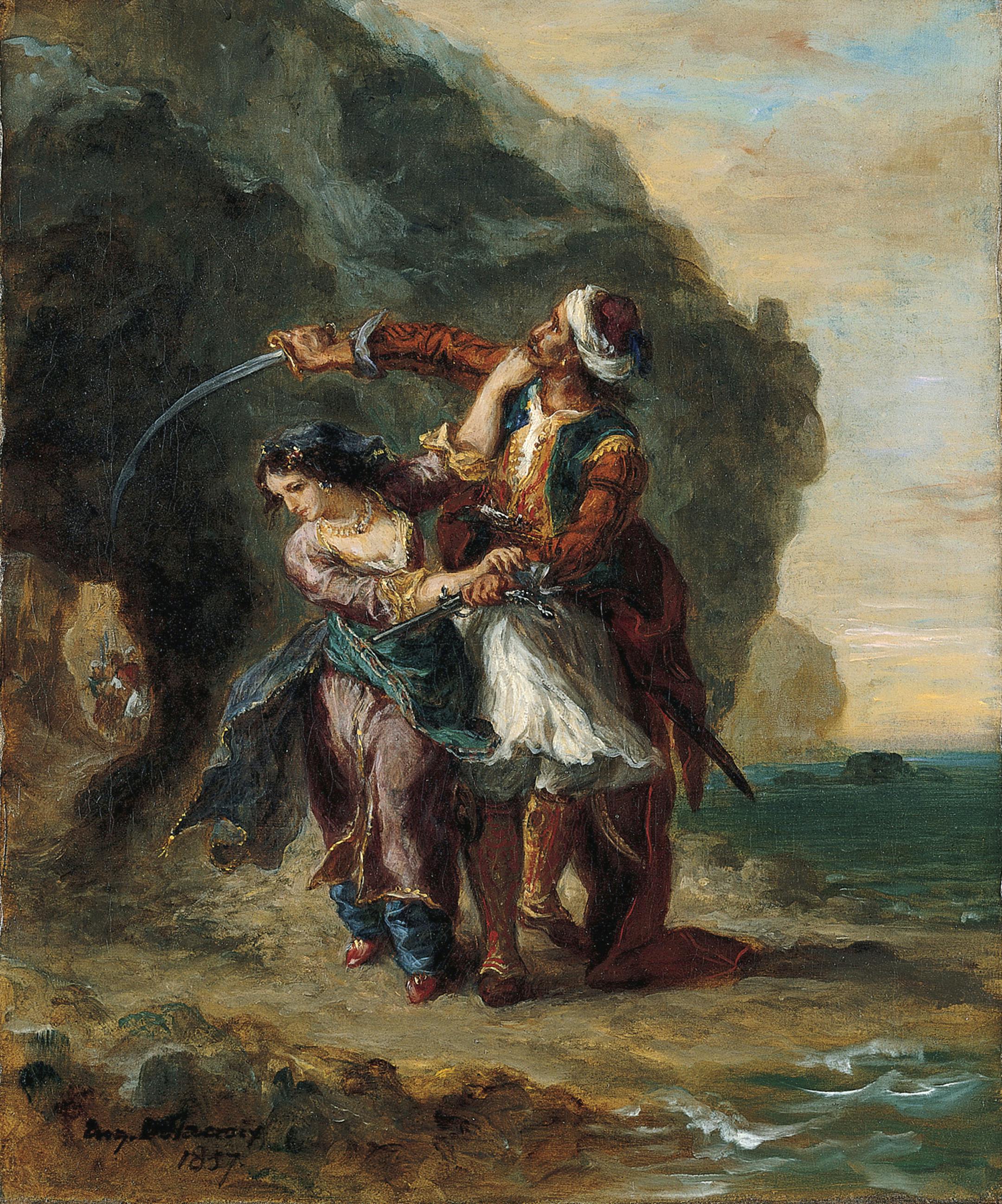
For this capstone of the Minneapolis Institute of Art's centennial celebration, the museum's painting curator Patrick Noon gathered a cornucopia of 19th-century paintings, mostly French, by a stellar roster of talents including Degas, Manet, Van Gogh, Gauguin, Renoir, Cezanne, Sargent and, of course, Delacroix.
On loan from more than 40 museums and private collections in Europe and the United States, they are the kind of grand and valuable pictures that museums lend only if the scholarship is important and the occasion significant. Some of the loans are unique to Minnesota and will not travel to London's National Gallery after the Minneapolis debut ends Jan. 10.
More than just a collection of top-draw names, "Delacroix" offers a new interpretation of the origins of modernist art with its bright colors, contemporary subjects, experimental techniques and attitudes.
Conventional art history says modernism blossomed suddenly in 1863 when a bunch of young French rebels, rejected by the establishment, staged their own exhibition, the famous "Salon des Refusés." To Noon and his London collaborator Christopher Riopelle, that simplistic notion ignores what critics and artists themselves said at the time.
They deploy the show's 78 paintings to demonstrate persuasively that the modernist impulse throbbed much earlier in the century, is rooted in British literature and French Romantic painting of the 1820s, and is deeply indebted to the rambunctious life and work of Eugène Delacroix (1798-1863).
Innovative pictures
Regardless of rationale, the paintings are an opulent, fascinating collection, including some very unusual pictures.
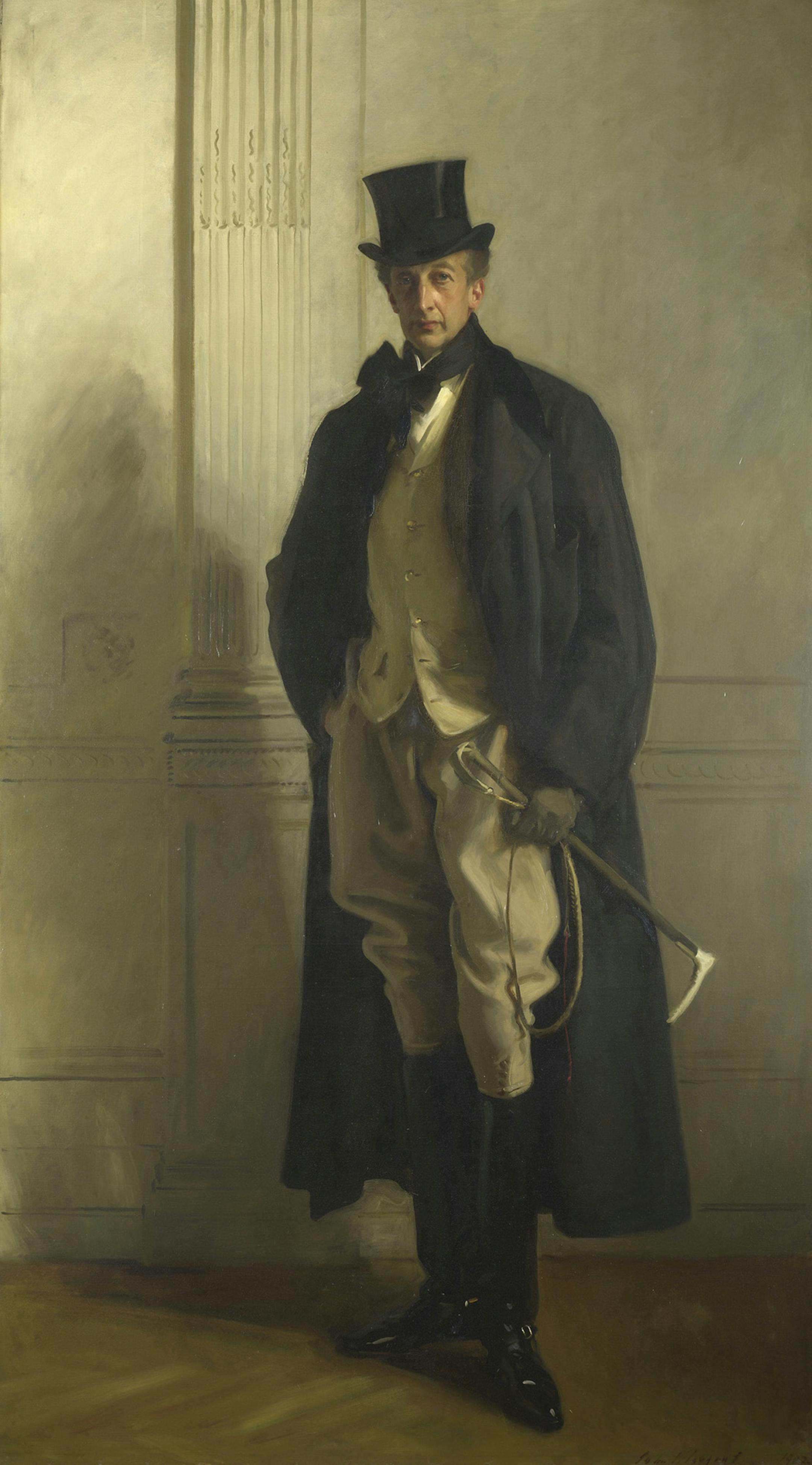
Delacroix's influence is dramatically apparent in two stunning portraits at the show's entrance, each more than 7 feet tall. The first is the artist's insightful 1826 portrayal of his aristocratic friend "Louis-Auguste Schwiter" as a sensitive young dandy in black frock coat and beribboned dancing slippers, poised on a terrace before a moody landscape. A model of elegance, it was reprised more than 75 years later by John Singer Sargent, who virtually copied the composition for his forbidding 1902 image of "Lord Ribblesdale," a haughty grandee in hunting outfit complete with coiled whip.