

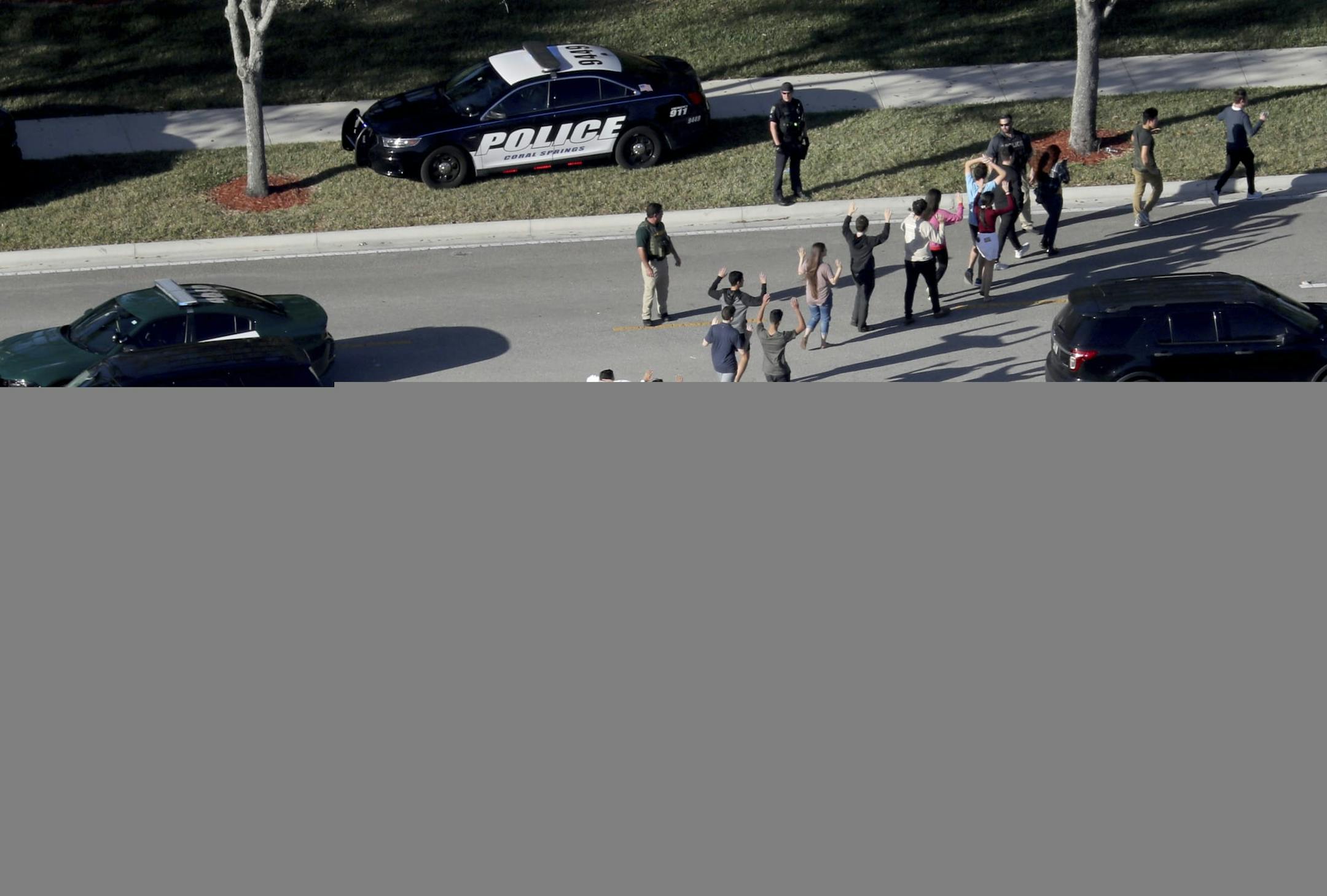
The day after 17 innocent people were killed in the mass shooting at Marjory Stoneman Douglas High School in Parkland, Fla., I met my English 1102 class at its regularly scheduled time at Florida Southwestern State College.
I greeted Jack, Marie and Jennifer, already at their desks, and I opened my briefcase to extricate what I needed for the hour: graded essays to be given back, two dry-erase markers, and a blue folder with my class roster and notes for today's lesson on logical fallacies.
But I knew my students would want to talk about the shooting. There have been other such atrocities this year throughout the country. But Parkland is opposite us on the Atlantic side of the state, a drive of just a couple of hours across Alligator Alley.
Some of my students are still in high school, taking a college class through what is called the dual-enrollment program. So they are the same age as Nicholas Dworet, 17, and Meadow Pollack, 18 — two of the 17 shot and killed on Feb. 14.
Once everyone was present and seated, I walked to the door, which I ordinarily leave open during our session, and closed it.
"Is that to protect us?" said Jennifer. She rolled her eyes. "We'd all just all be killed, anyway."
"Why do you say that?"
"We just had an active-shooter drill at the dental clinic where I work," she said. "They said you can 'run, fight or die.' But we would be trapped."


