

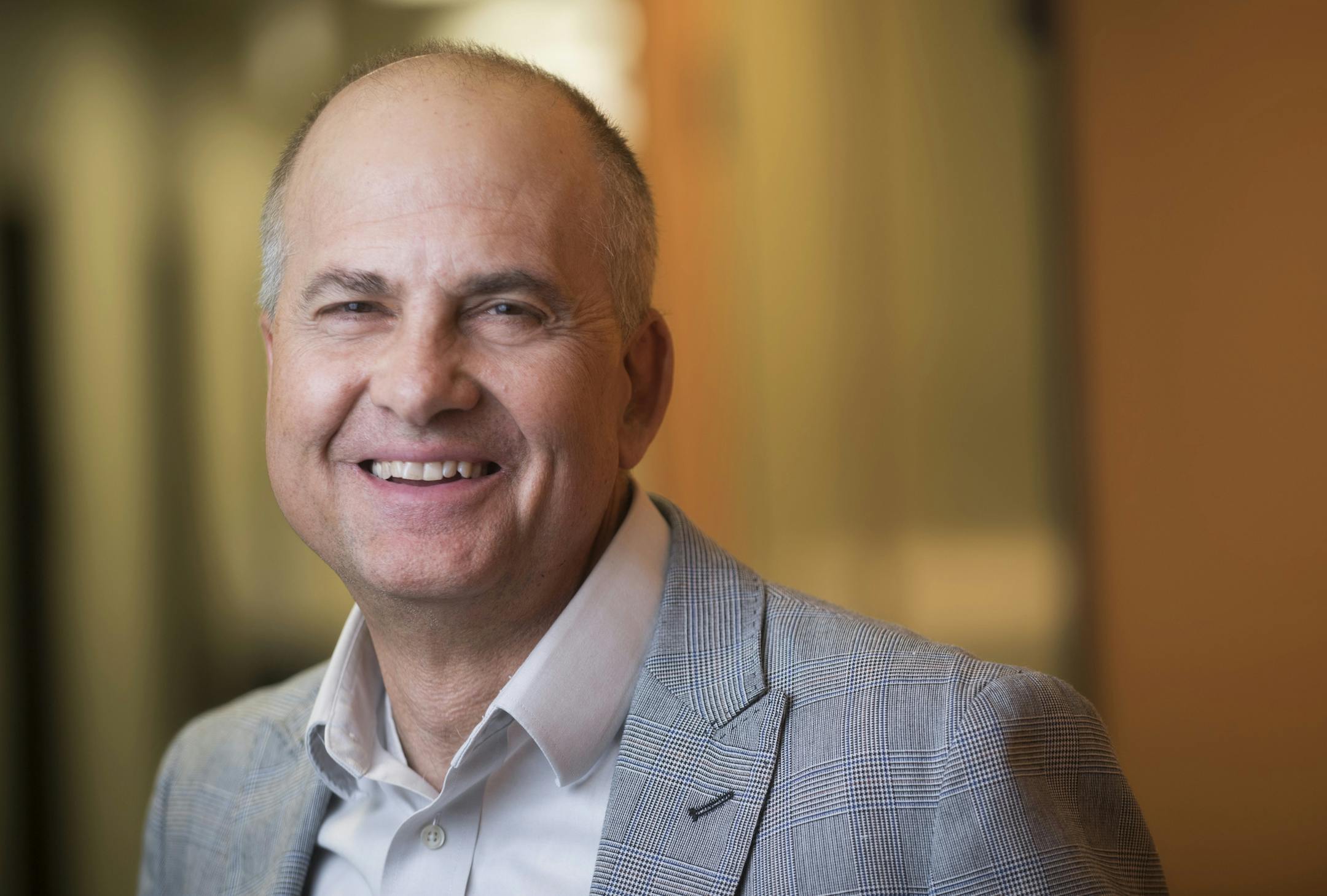
A decade ago, Jay Schrankler left a 26-year career at Honeywell, where he had run the $1.5 billion environmental controls business among other key roles, to lead a reboot of the University of Minnesota's Office for Technology Commercialization (OTC). The U last year launched 17 start-ups, a record. Schrankler attributed that milestone and an emerging local biotech industry in part to developments including OTC's formation of a venture fund, Discovery Capital Investment Program. He also cited OTC's designation as a National Institutes of Health Research Evaluation and Commercialization Hub (REACH), and creation of MIN-Corps, part of a National Science Foundation entrepreneurship development program for students, faculty and staff. In April, the U promoted Schrankler to associate vice president of technology commercialization and new ventures.
Q: How have Discovery Capital and the programs you cited contributed to biotech development?
A: We spun a gene editing company out of here, a biotech company, just about two years ago. They were involved in REACH. We invested a certain amount in Discovery Capital and that has been matched by a big strategic [investor] here in Minnesota. For my first five years here, it was really hard to see the biotech industry taking off. Since we've gotten these programs here — MIN-Corps, REACH and Discovery Capital — we're really seeing the biotech industry starting to blossom, both university spinouts and non-university companies here in town.
Q: What challenges are U start-ups facing?
A: Finding experienced leadership. It's a challenge anywhere. But in the biotech world I think we're short. We don't have experienced biotech leaders here. We're going to build those over time.
Q: How does the Discovery Capital fund work?
A: We invest in university start-ups. It's a matching fund so we only invest if there's other qualified investors. We have the outside entities that are investing take the lead or develop the term sheet. It has to be validated on the outside.
We've invested in five or six companies. More are coming very soon. We've invested around $2 million and they've gotten matches of around $13-$14 million. So it's got a great leverage in terms of attracting capital for our spinouts.


