

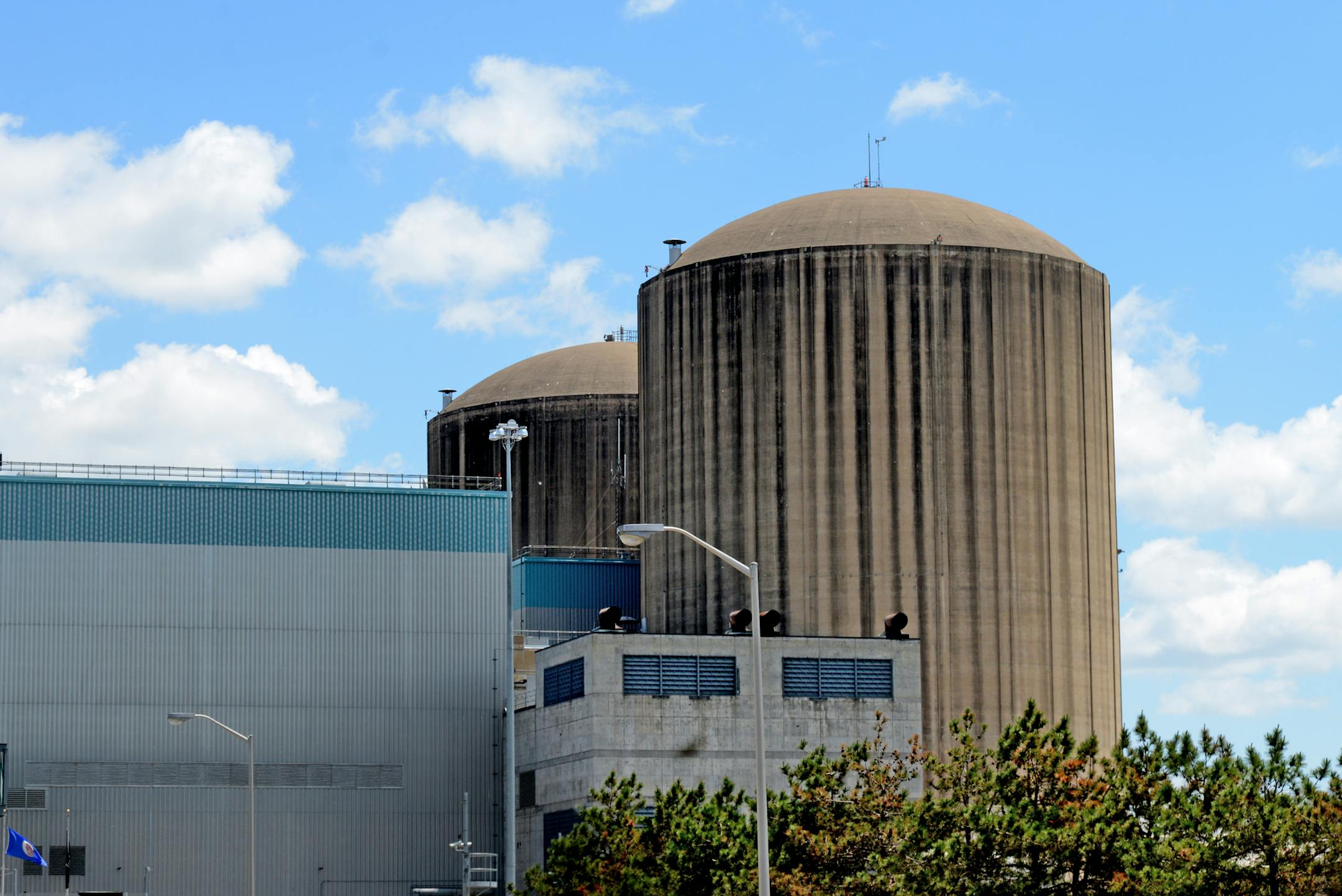
Xcel Energy Inc. said Tuesday that a major overhaul of its Prairie Island nuclear power plant in Red Wing, Minn., is moving forward without interruption despite the partial shutdown of the federal agency that oversees reactor safety.
Workers are undertaking a long-planned $280 million replacement of two steam generators on Unit 2. The reactor's core has been emptied of radioactive fuel, which is being temporarily stored in a water-filled pool inside the containment building.
Jim Lynch, Xcel's vice president for the plant, said in an interview that the two old steam generators have been cut in half in order to fit through a portal in the building, and three of the four pieces have been taken out, with the final piece to be removed Wednesday.
Inspectors not furloughed
He said the work is being overseen by the two resident inspectors from the Nuclear Regulatory Commission who were among the 300 agency employees not furloughed last week. He said regional NRC inspectors whose job was to assess the replacement work plan had already completed their review before the agency sent home most of its 3,900-member staff as a result of the partial shutdown of the federal government.
Proceeding on schedule
"We are just proceeding on the originally defined schedule," Lynch said of the project.
The next stage of work, including welding new equipment to the existing reactor, would have been inspected by the still-working onsite NRC inspectors who spend every day at the plant, he said.
"We X-ray every single one of the welds and document the quality of the welds," Lynch said. "It is checked by our onsite line management, it is checked by our independent quality assurance. … They [the X-rays] are available for inspection and will be inspected by the NRC after we have completed the job, and by the on-site folks."
Concerns from community
Despite those assurances, the plant's nearest neighbor, the Prairie Island Indian Community, has raised concern that the NRC is allowing the plant to open an access door of its containment building to move equipment at a time when the regulatory agency is short-staffed.


