

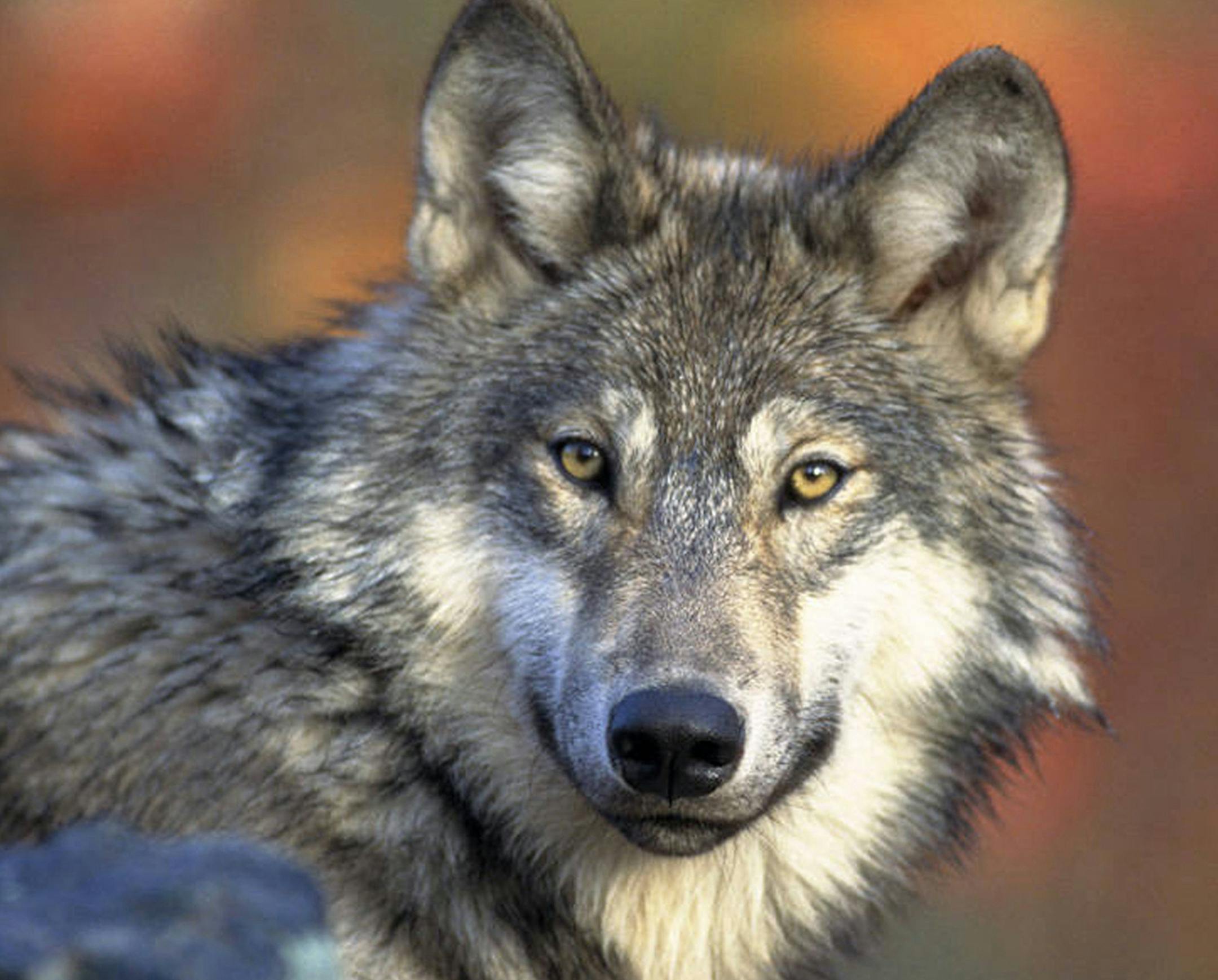
Far from being a failure, the Minnesota wolf conservation plan is a model for future cooperation between government, wildlife agencies, biologists and citizens of Minnesota — including sportsmen and women ("Against the public will, another wolf hunt begins," Letter of the Day, Nov. 9). Wolf population goals were initially set by the U.S. Fish and Wildlife Service in 1978. Through cooperation, that goal was surpassed in 1989 and doubled by 2007. With the wolf's survival secured, the species now must be managed to ensure a balance with Minnesota's other wildlife. For example, the moose population in northeastern Minnesota was 8,840 in 2006 but is less than 2,800 today. An ongoing study ("How the moose are dying," Sept. 28) reveals that the skyrocketing wolf population is likely contributing to that decline.
Hunting plays a vital role in the sustainable management of our natural resources. Hunters spend $733 million and pay $93 million in Minnesota taxes annually. This revenue funds conservation, habitat restoration and scientific studies — including the programs that saved, and now manage, wolves.
The Nov. 9 letter writer is disappointed that his antihunting views have not prevailed, but the hard work and cooperation involved in wolf conservation and management, including hunting, are a success.


