

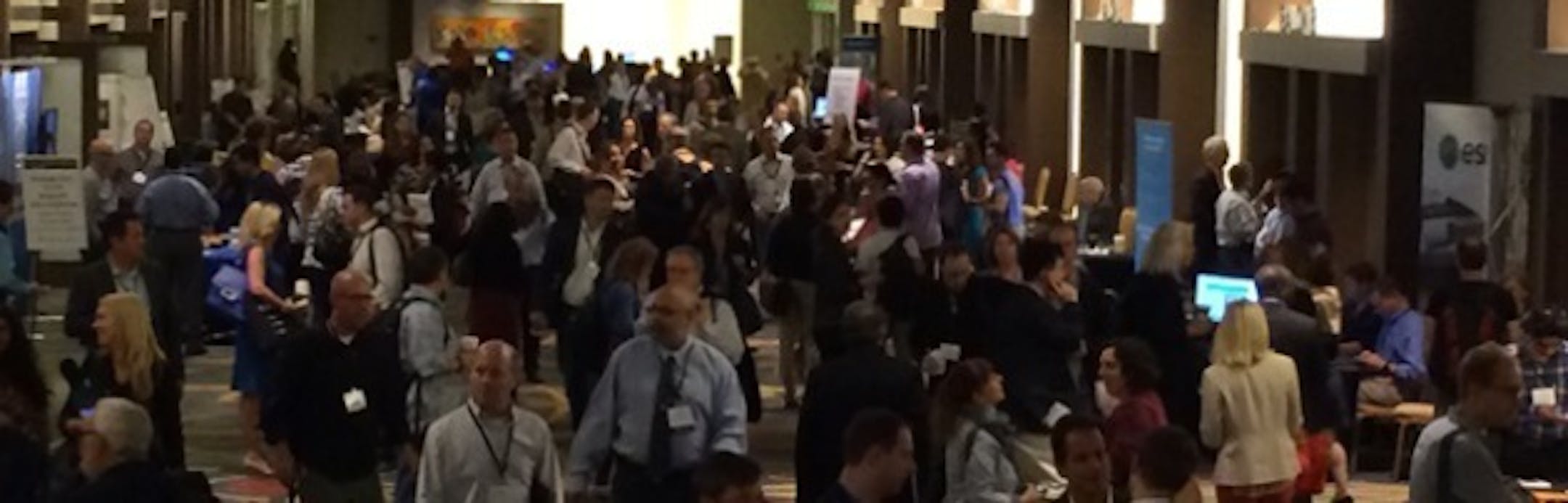
This blog went quiet last week while I was attending the 2014 Investigative Reporters and Editors annual conference in San Francisco. The gathering of 1,600 journalists from 40 countries to a hotel in San Francisco was the largest convention in IRE's nearly 40-year history. The group isn't known much outside news circles, but it's the premier gathering of journalists who share ideas about challenging the powerful, prying loose documents, speaking for the voiceless and exposing the truth. If this year's conference had a theme, it was this: The president that promised transparency has instead declared a war on leakers and whistleblowers, and that poses a grave threat to journalism.
Daniel Ellsberg, who made history by leaking the Pentagon Papers during the Vietnam War, declared that if he had done such a thing today, the Obama administration would have imprisoned him. Investigative journalist Lowell Bergman, portrayed by Al Pacino in the 1999 movie "The Insider," said the administration is the worst for journalists in his 45 years of muckraking. The absent hero of the conference was Edward Snowden, who leaked the documents exposing mass surveillance of the public by the governments of the United States and the United Kingdom. He and other whistleblowers accepted exile, imprisonment and worse for taking secret documents to the press. The absent villain: Barack Obama, whom so many in those rooms supported, but whose eight prosecutions of government leakers outnumber those of all previous administrations combined.
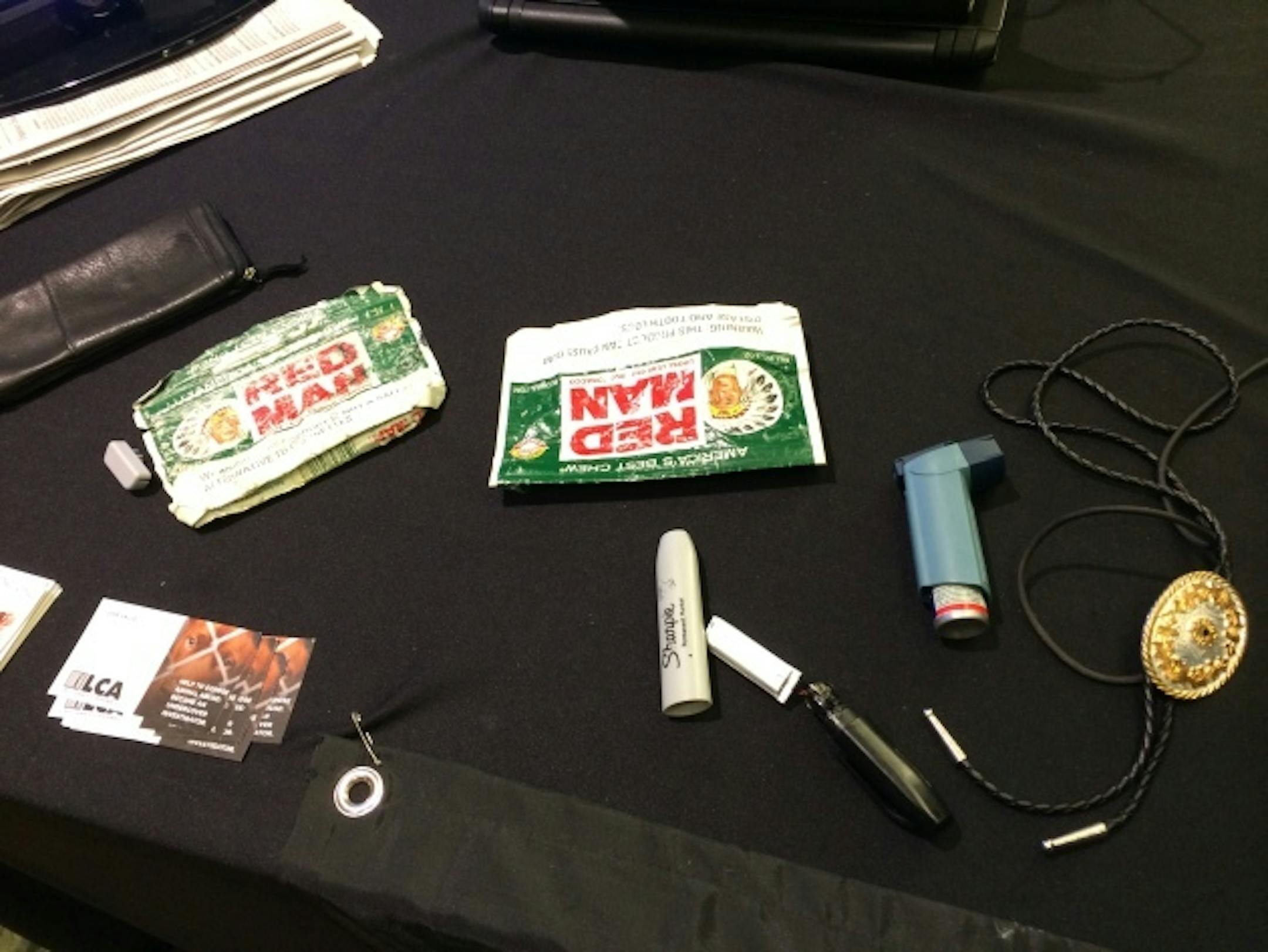
Protect your sources, protect your sources, protect your sources, we were told. Journalists with the Guardian, the Washington Post and the New York Times described the elaborate precautions that they took to ensure that communications and records in the Snowden story would not be intercepted or blocked. They urged all journalists to change their ways to protect their communications from the prying eyes of the government. I found out about ways to encrypt my email and set up apps that would allow sources to provide me records with total anonymity. In addition to its nerdy focus on statistics and records, the conference has always had a cloak-and-dagger air to it, and not far from the booth offering access to health statistics is the one with cameras disguised as inhalers and bags of chewing tobacco. This year, all this spycraft was starting to sound like the only guarantee that we can keep doing our jobs.
Yet about midway through the conference, I had a growing sense that something was wrong. Investigative journalism cannot survive by inventing better technology than the government intelligence agencies. If the United States has become such a police state that journalism must be a covert operation, then we have lost.
If we demand transparency and accountability, then our reporting must, as much as possible, be practiced in the open. I will probably go ahead and install that encryption software on my computer, but I think I'll make more progress in ensuring freedom of the press by showing, in word and deed, that I have nothing to hide.


