

As legislatures reconvened these past two months, there has been an active lobbying effort to boost transportation funding across the country. Countless newspapers, magazine, and television programs have dedicated time and space to covering the plea for more money, including a high-profile 60 Minutes segment that didn't include a single dissenting opinion.
The general consensus in the mainstream media has been that we need more funds in order to have a "21st Century" transportation system. If we don't, our bridges will collapse. That, and we won't be able to compete globally (what does this even mean?).
The opposition's opinion can't be summed up as easily. It goes something more like this: "It's complicated." The nuanced opinion challenges the underlying assumption as to what makes a good transportation investment. In other words, more money alone won't fix the system, and it might actually make it worse.
But, what does this look like? Well, it looks like this ...
Perham is a quintessential small town in central Minnesota with fewer than 3,000 people. It's a sleepy community with a traditional Main Street and surrounded by lakes. If it's not the basis for fictional Lake Wobegon, it might as well be.
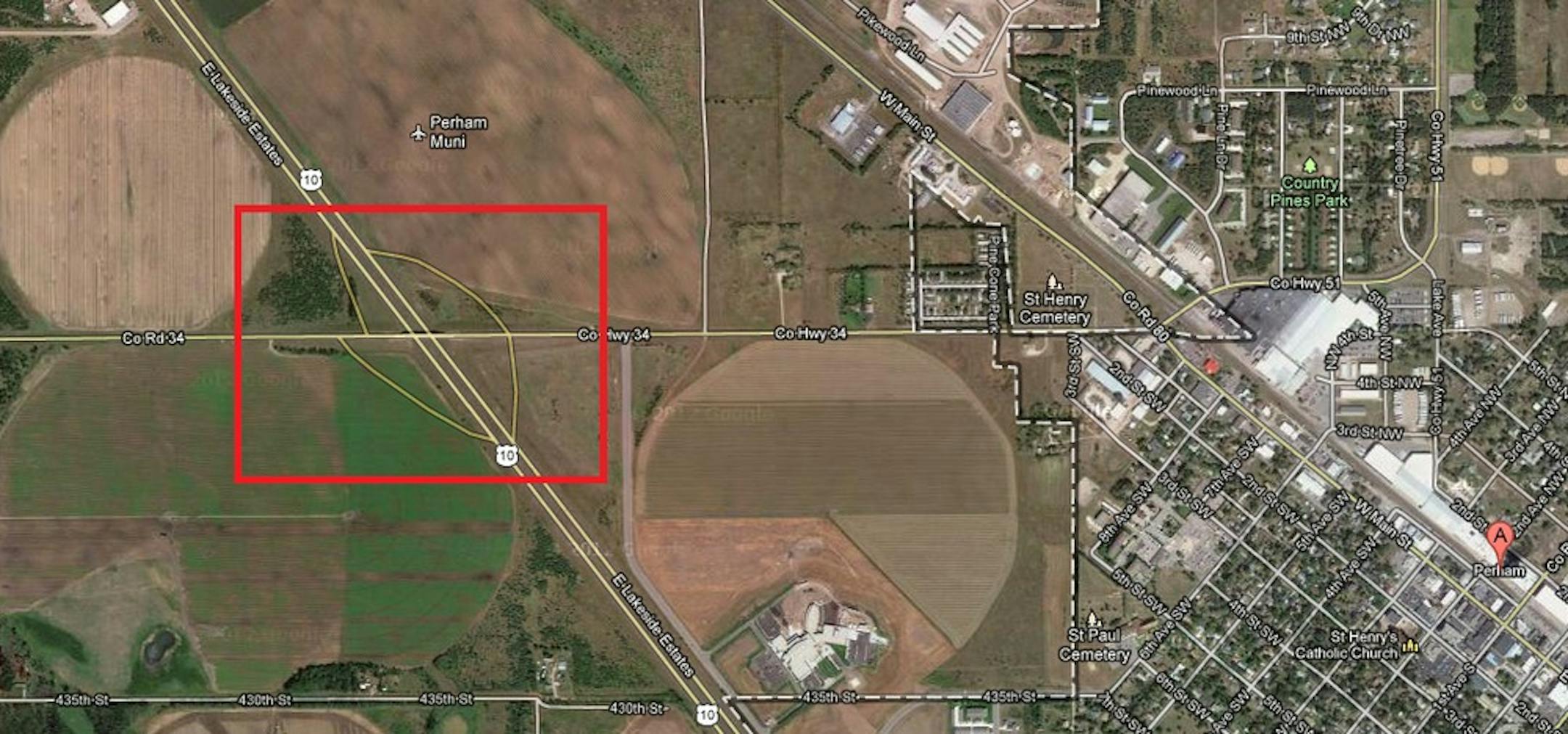
It recently received a "Transportation and Economic Development" grant to build a new $6.7 million interchange. The State pitches in $3.5 million and the local government covers the rest ($3.2 million). This project might make sense if the town didn't already have three interchanges leading to the same highway. As if a fourth interchange is just what this town needs to catapult its economy into the 21st century.
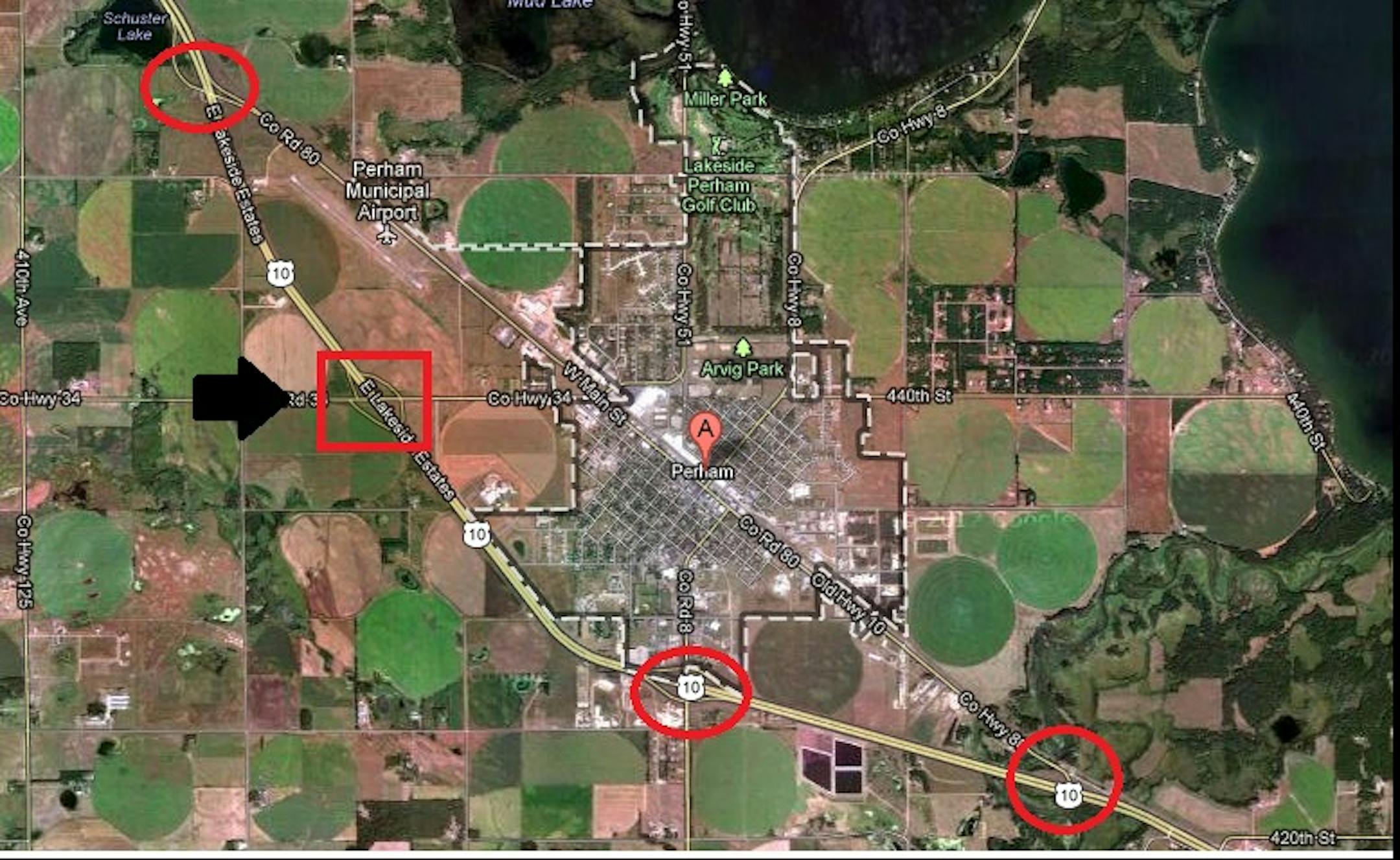
What you're looking at is not unique.
In fact, I selected it because it is average. And, it's exactly the type of transportation infrastructure that our current system is looking to fund more of. But more importantly, it's not just this project - it's the countless hundreds like it.


