
Also noted

November 28, 2013 at 11:29AM
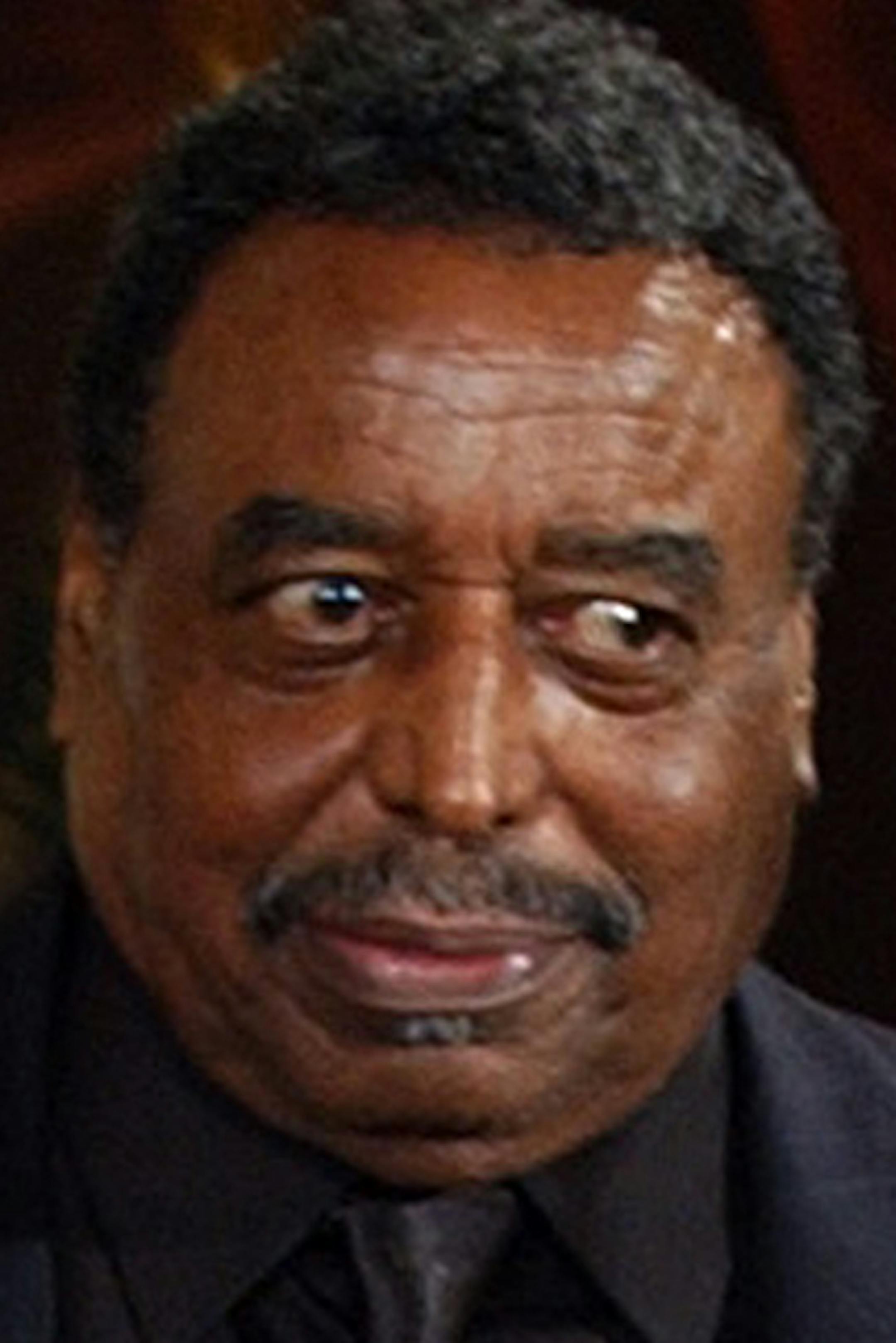
FILE - This June 22, 2004 file photo shows Chico Hamilton, a recipient of the he National Endowment for the Arts Jazz Masters Fellowship, performing a drum solo in the East Room of the White House during a reception to honor Black Music Month, in Washington. Hamilton, a distiguished jazz drummer, band leader and composer known for inspiring fellow and aspiring musicians, died Monday Nov. 25, 2013 in New York. He was 92.(AP Photo/Susan Walsh)
Hamilton (The Minnesota Star Tribune)

New York at midcentury was a monochrome town, or so its best-known documentarians would have us believe.

But where eminent photographers like Weegee, Diane Arbus and Richard Avedon captured the city most often in sharp-edged black-and-white, Saul Leiter, 89, saw it as a quiet polychrome symphony — the glow of neon, the halos of stoplights, the golden blur of taxis.

One of the first professionals to photograph New York City regularly in color, Leiter, who died Tuesday, was among the foremost art photographers of his time, despite the fact that his work was practically unknown to the general public. Of the tens of thousands of images he shot — many now esteemed as among the finest examples of street photography in the world — most remain unprinted.

Trained first as a rabbi and then as a painter, Leiter spent the past 60 years being cyclically forgotten and rediscovered. "In order to build a career and to be successful, one has to be determined," Leiter said in 2008. "One has to be ambitious. I much prefer to drink coffee, listen to music and to paint when I feel like it."

But Lisa Hostetler, the newly appointed curator of photography at George Eastman House in Rochester, N.Y., said, "He is one of the most important early color photographers of the 20th century. The images he made communicated the sense of rhythm and movement and being caught up in the city."

Chico Hamilton, 92, a drummer who helped define the "cool" West Coast approach to jazz in the 1950s and whose innovative groups echoed the delicate intimacy of chamber music, died Nov. 25 at his home in New York City. His publicist, April Thibeault, confirmed the death but did not know the cause.

Beginning in the 1940s, Hamilton brought a subtle, understated approach to jazz drumming that remained his signature style for seven decades. After working with singers Billy Eckstine and Lena Horne, Hamilton was the drummer in the celebrated "pianoless" quartet led by baritone saxophonist Gerry Mulligan and trumpeter Chet Baker that helped define the West Coast "cool jazz" sound of the early 1950s.

In 1955, Hamilton formed a daringly original quintet that included cello, flute and guitar. The group produced a captivating, airy sound that seemed to glide above Hamilton's flowing drumbeat. Jazz impresario George Wein described the essence of Hamilton's style in a 2006 interview with NPR: "Taste. He didn't have to bombast you to show you how good he is. I think that's defining the quality of his art."
Hamilton and his quintet recorded many albums and were featured in the 1957 film "Sweet Smell of Success," a drama starring Burt Lancaster and Tony Curtis.

Fred Kavli, 86, a physicist who left Norway for California as a young man and made millions manufacturing sensors for appliances, automobiles and aircraft, then late in life began donating much of his fortune to science, establishing a major prize he intended to rival the Nobel, died Nov. 21 at his home in Santa Barbara, Calif. The cause was cancer, said the Kavli Foundation, which Kavli started in 2000.

The foundation has given more than $200 million to establish 17 scientific research institutes at universities around the world for work in astrophysics, neuroscience, nanoscience and theoretical physics. In 2008, the first Kavli Prizes were awarded, with recipients in each of three categories splitting $1 million. The prizes are awarded in September every other year.

"The point is to create visibility for science," Kavli told the New York Times in 2005. "The Nobels do a good job. It might take us 100 years to catch up."

Kavlico developed a series of sophisticated sensors that help control a wide range of mechanical functions, whether helping car engines save fuel and limit pollution or operating dishwashers. They have been used on the space shuttle, the International Space Station and Trident and Poseidon missiles. By 2000, the company had 1,500 employees. Kavli sold it that year for $340 million.

news services

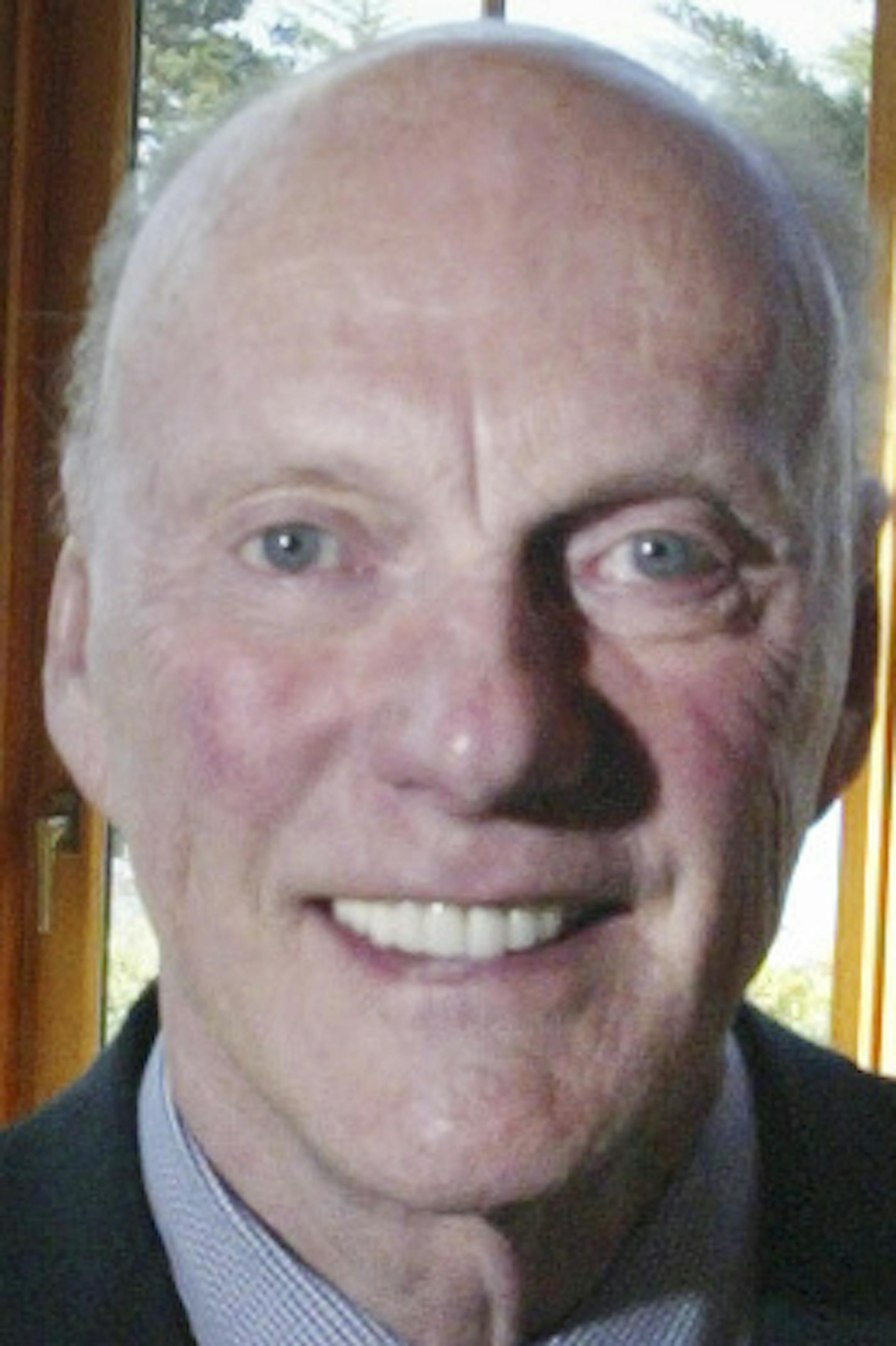
FILE -- Fred Kavli at his home in Santa Barbara, Calif., April 14, 2005. Kavli, a physicist who left Norway for California and made millions manufacturing sensors for appliances, automobiles and aircraft, then late in life began donating much of his fortune to science, establishing a major prize he intended to rival the Nobel, died on Thursday, Nov. 21, 2013, at his home in Santa Barbara. He was 86. (J. Emilio Flores/The New York Times)
Kavli (The Minnesota Star Tribune)
about the writer

about the writer

More from No Section

See More
FILE -- A rent deposit slot at an apartment complex in Tucker, Ga., on July 21, 2020. As an eviction crisis has seemed increasingly likely this summer, everyone in the housing market has made the same plea to Washington: Send money — lots of it — that would keep renters in their homes and landlords afloat. (Melissa Golden/The New York Times) ORG XMIT: XNYT58
Melissa Golden/The New York Times

It’s too soon to tell how much the immigration crackdown is to blame.