

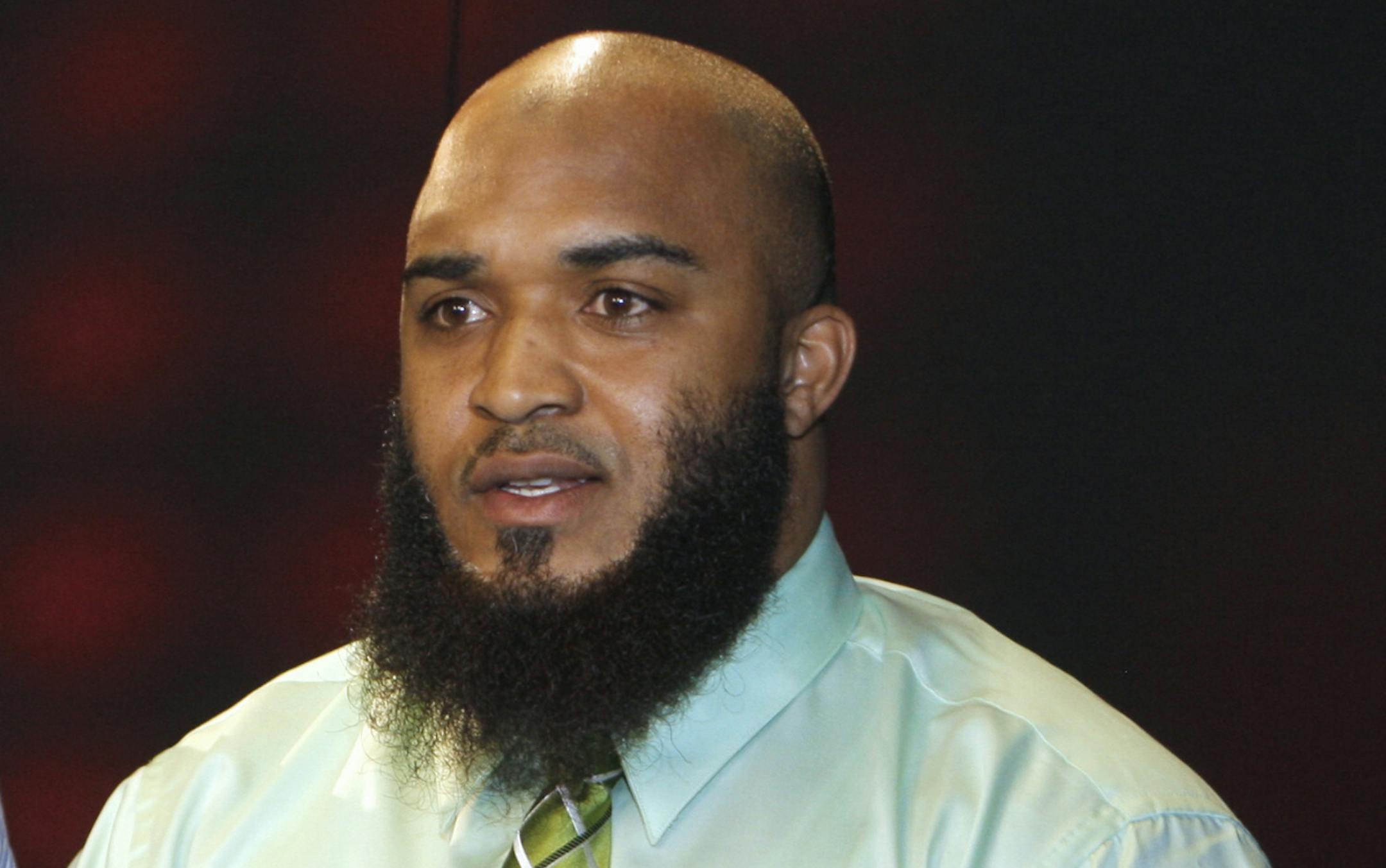
WASHINGTON – Abdullah al-Kidd approached the Dulles International Airport ticket counter in March 2003 expecting to catch a flight to Saudi Arabia to study Arabic and Islamic law.
Instead, federal agents slapped handcuffs on the Kansas-born former University of Idaho running back.
He spent the next 16 days in three jails without criminal charges on a warrant as a potential witness in a terrorism-related case. He was shackled, strip-searched and confined in a cell.
The government's case eventually fell apart, but not before the husband and father had lost his family and livelihood.
More than a decade later, the U.S. government has presented Kidd with something rarely seen in the U.S. war against terrorism: an apology.
"The government acknowledges that your arrest and detention as a witness was a difficult experience for you and regrets any hardship or disruption to your life that may have resulted from your arrest and detention," Wendy Olson, the U.S. attorney in Idaho, wrote Kidd on Jan. 15.
Kidd was given $415,000 to settle 10 years of litigation and compensate him for what he described as his "16 terrifying days" caught up in the backlash against Muslims after the Sept. 11, 2001, attacks.
The apology was seen as a somewhat begrudging one.


