Global business
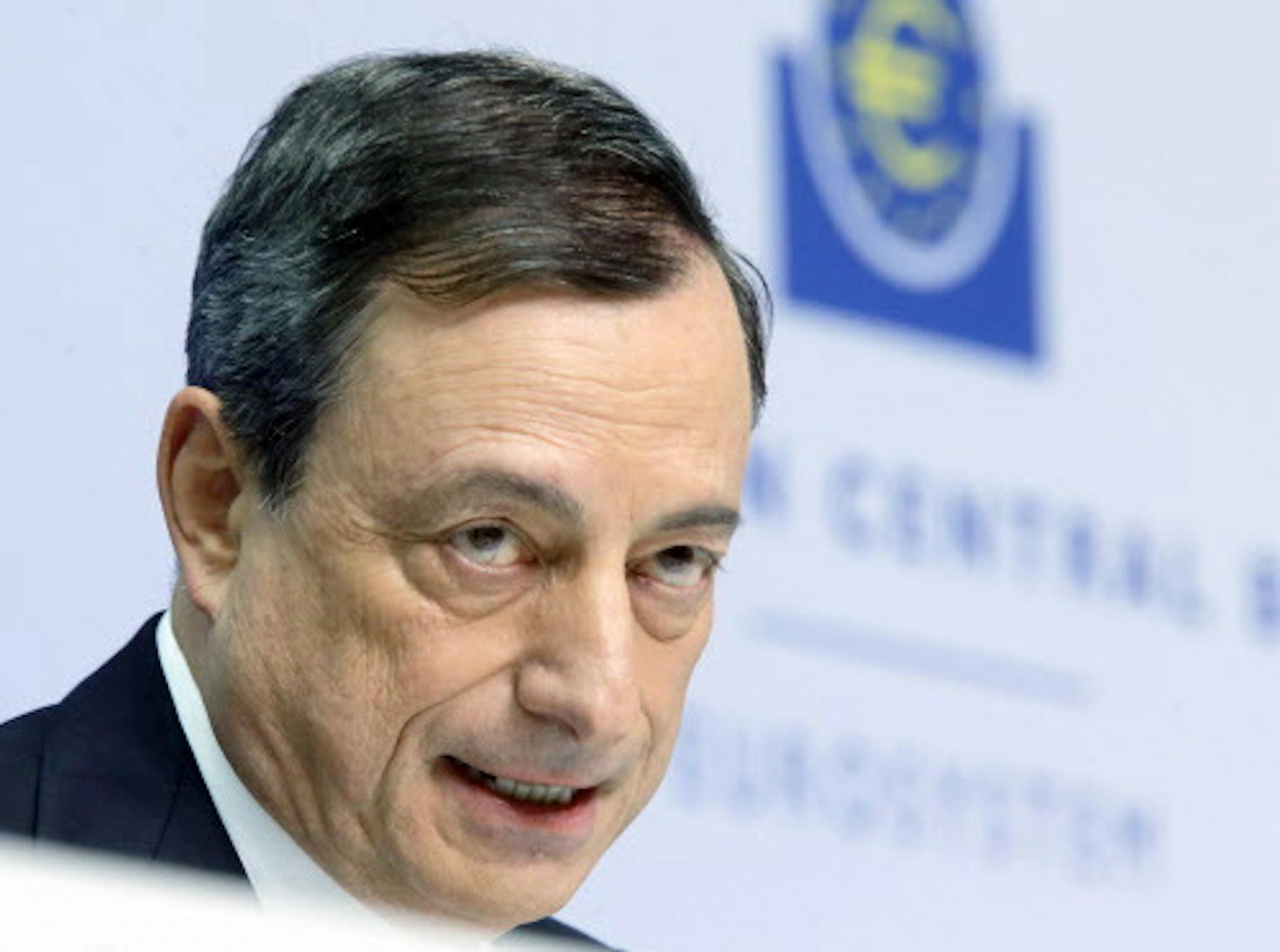
The European Central Bank announced a big program of quantitative easing. The bank said it would purchase $70 billion in assets a month for the next 20 months, including sovereign bonds for the first time. It has come late to QE — other big central banks rolled out their programs years ago — but has been spurred into action by an anemic recovery and "lowflation" in the eurozone.
The Bank of Canada made a surprise move to cut its benchmark interest rate from 1 percent to 0.75 percent. The last cut was in 2009. The central bank said it was responding to "the recent sharp drop in oil prices, which will be negative for growth and underlying inflation."
All nine members of the Bank of England's Monetary Policy Committee have voted to keep interest rates at record lows, according to the minutes from their latest meeting. In previous meetings two members of the MPC, Martin Weale and Ian McCafferty, argued that rates should rise as the economy gathers steam, but they are more concerned now about the prospect of a long bout of very low inflation.
The unexpected decision by Switzerland's central bank to end the Swiss franc's currency ceiling continued to reverberate. Alpari, a foreign-exchange trading firm based in London, declared bankruptcy, and some European banks warned that profits would be hurt. Many homeowners in Poland, Croatia and other countries who have taken out mortgages denominated in Swiss francs counted the cost of soaring repayments.
China's GDP grew by 7.4 percent in 2014, the slowest pace since 1990. After years of hot growth, its leaders seek to chart a course that makes investment less reliant on the credit that has fueled a property boom but also lifts living standards of its burgeoning middle class.
The tumbling price of oil caused more oil companies to curtail their operations. Total, which is based in France, said it would cut spending on production in the North Sea and Canada and accelerate a cost-cutting program; Baker Hughes and Schlumberger became the latest oilfield-services firms to ax jobs; and BHP Billiton said it would reduce the number of rigs it deploys in shale-oil projects.
Travis Kalanick, the boss of Uber, an app-based taxi service, told a conference he wanted a "new partnership" with European regulators after months of lawsuits. Adopting a conciliatory tone, Kalanick recognized a new legal framework is needed to cope with the growth of taxi apps.
Political economy
Chad sent 2,000 troops to Cameroon to help fight jihadists from Boko Haram, a group based in northeastern Nigeria that has slaughtered thousands of people there and stepped up its raids across the Cameroonian border. Paul Biya, the president of Cameroon, described Boko Haram as a "global threat" as he appealed for international help.