Commuters on the A414 highway in Essex, England, have recently become used to a curious sight. Every day between 7 and 9 a.m., then again from 4 to 7 p.m., a man in a peaked cap perches on a small chair by the divided highway, beams at the oncoming traffic and gives drivers the thumbs-up sign.
"You have to look them in the eyes," explains Robert Halfon, the Conservative member of Parliament for Harlow in Essex. Many of the drivers return the thumbs-up gesture and honk their horns. "Halfon, yeah!" shouts one man, leaning out of the window of his van as it speeds past.
Halfon is no ordinary MP. He has won admirers from across the political spectrum by fighting a series of campaigns on consumer issues, from taxes on bingo halls to surcharges on electricity bills. He is best known for persuading the Tory-Liberal Democrat coalition government to cancel every planned fuel-duty increase since 2010.
The MP calls his brand of politics "white-van Conservatism" — a reference to the aspirational working-class voters who make towns like Harlow, northeast of London, such crucial bellwethers. They voted for Margaret Thatcher in the 1980s and Tony Blair in the 1990s. But this time they are proving especially hard to woo.
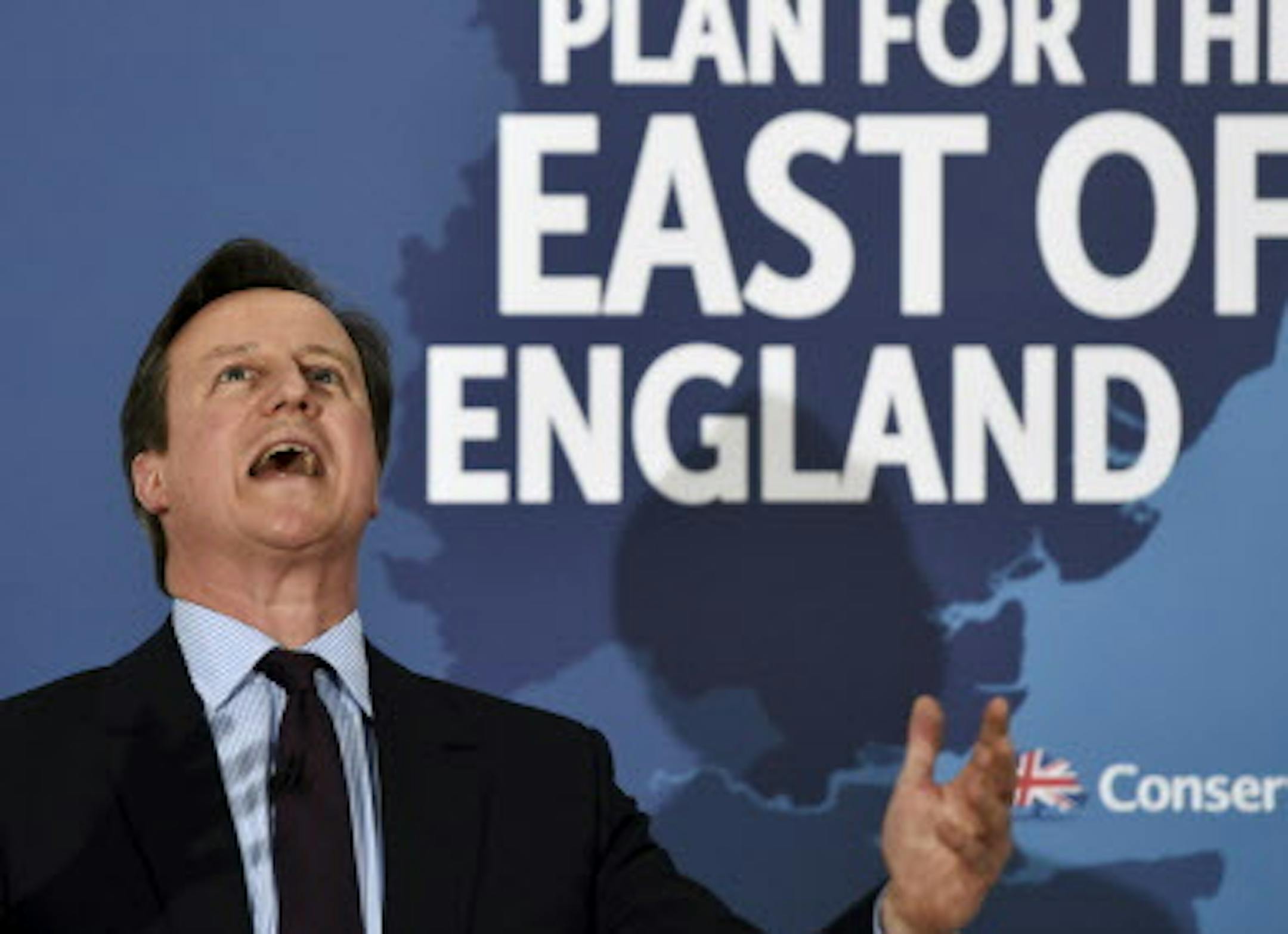
The Tories can point to a rebounding economy and an increasingly popular leader in David Cameron. But with just a few days before the general election on May 7, they are tied with the opposition Labour Party, as they have been throughout the campaign.
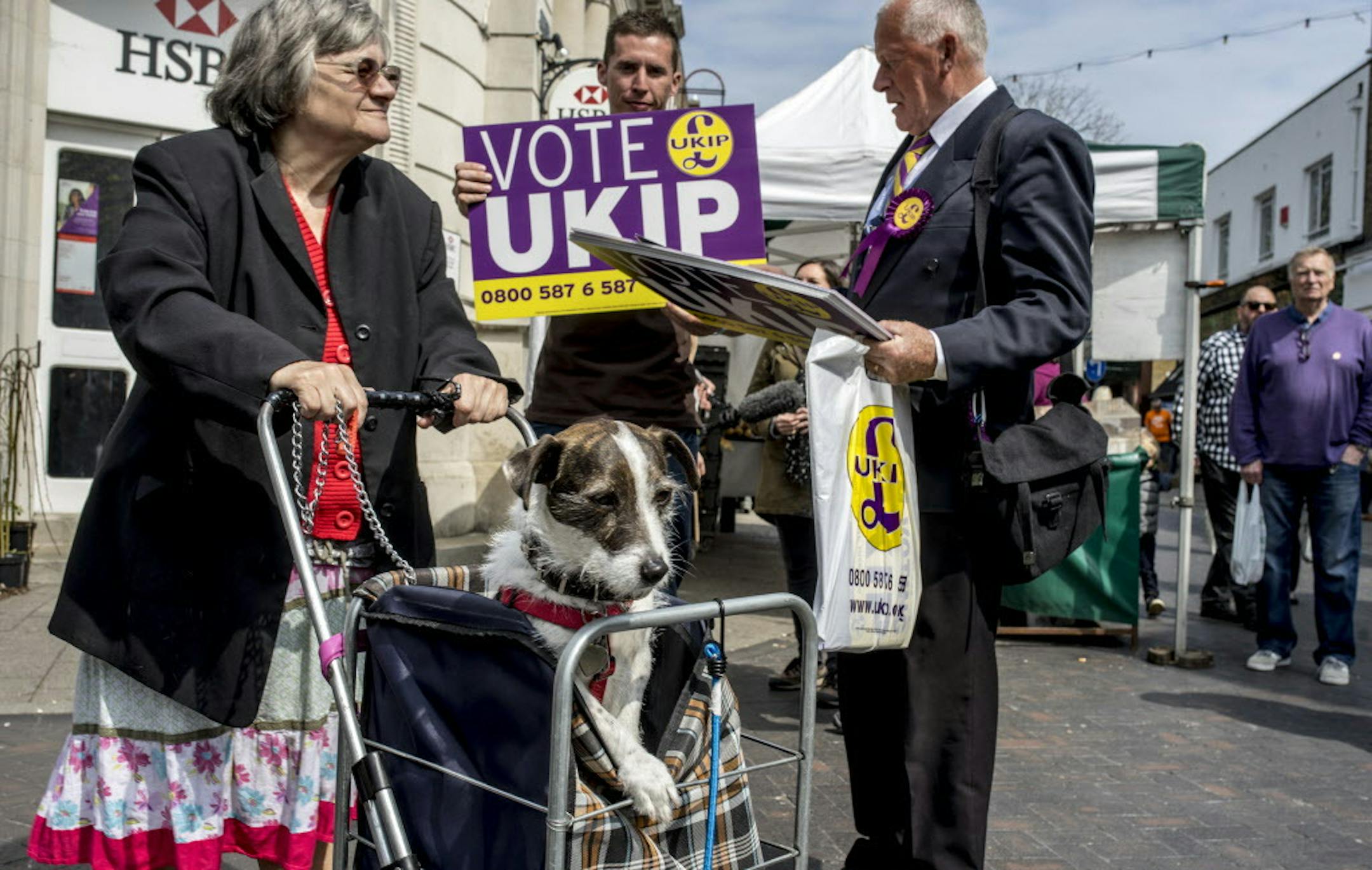
In order to form another coalition with the Lib Dems, the Tories must hold almost all of their seats in the House of Commons. Oddly, the greatest challenge to their continued rule does not come directly from Labour: Over the course of this Parliament few voters have moved from the Conservative camp to the Labour one, or vice versa. The Tories' real problem is the populist UK Independence Party (UKIP) and its strong appeal to white-van man.
More than one in 10 people who voted Conservative in 2010 have since left the party for UKIP, which detests the European Union and immigration. The defectors are typically male, white and working-class. Lynton Crosby, the Tories' campaign chief, reckons that the party's typical target voter earns about $23,000 a year — 40 percent less than the national average — reads the Sun on Sunday, a right-wing tabloid, and values economic and national security above all else.
This analysis colors the entire Conservative campaign. In an interview on April 6, Cameron urged UKIP voters to "come home." At the party's manifesto launch on April 14, he described the Tories as "the real party of working people." Two weeks later he called it the party of "the grafters and the roofers and the retailers and the plumbers." He talks endlessly about security.