

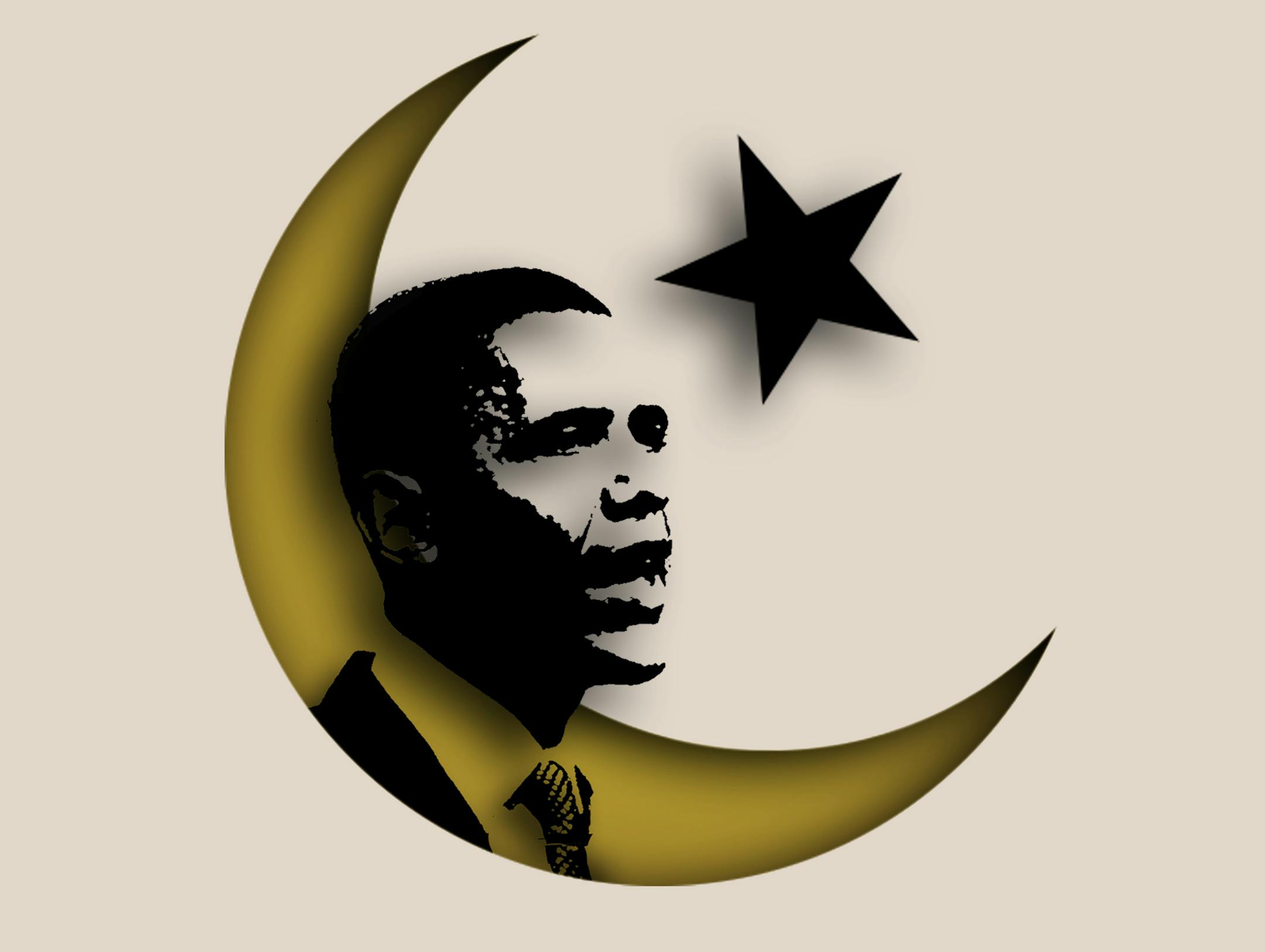
Following the Charlie Hebdo massacre in Paris this month, White House spokesman Josh Earnest briefly became an Islamic theologian. At issue was why President Obama's administration, unlike the leadership of France, wouldn't describe the killers as adherents to "radical Islam."
Pressed by NPR's Mara Liasson, Earnest explained to reporters that the terrorists tried to "invoke their own deviant, distorted view of Islam in order to justify" the attacks.
It's easy to see the absurdity in saying that men who shout "Allahu Akhbar" before they kill Jews, cartoonists and French police officers are not radical Muslims. But Earnest was not freelancing, he was articulating a long-standing U.S. policy, not only for Obama but also his predecessor, George W. Bush. Both administrations have said repeatedly since Sept. 11, 2001, that radical Islam is not Islamic.
There is a reason for this: The long war against radical Islamic terrorists requires at least the tacit support of many radical Muslims.
It sounds strange. But as Emile Nakhleh, who was one of the CIA's top experts on political Islam between 1993 and 2006, told me, there was a recognition following the 9/11 attacks inside the Bush administration that many supporters of the Wahhabi strain of Islam favored by Al-Qaida and its allies were not plotting attacks on the West. In some cases, such as the Kingdom of Saudi Arabia, the purveyors of Wahhabism were long-standing American allies. "There was the 2-ton elephant in the room, and that is Saudi Arabia," Nakhleh said.
So Bush for the most part opted instead to talk about the enemy as "evildoers" or "extremists," even though on some occasions he went off message. It's why Bush's second secretary of state, Condoleezza Rice, condemned as "offensive" the Danish cartoons of Mohammed in 2006 after they sparked riots across the Muslim world.
Obama took this approach even further. In 2009, he delivered two important speeches addressed to the Islamic world, quoting Koranic verse, and sent an envoy to the Organization of the Islamic Conference. Bush didn't want a quarrel with Islam and, in his first term, Obama wanted Islam to be a strategic partner against Al-Qaida.
In 2010, top counterterrorism adviser John Brennan said the administration would not describe the enemy as "jihadists" because "jihad is a holy struggle, a legitimate tenet of Islam, meaning to purify oneself or one's community, and there is nothing holy or legitimate or Islamic about murdering innocent men, women and children."


