

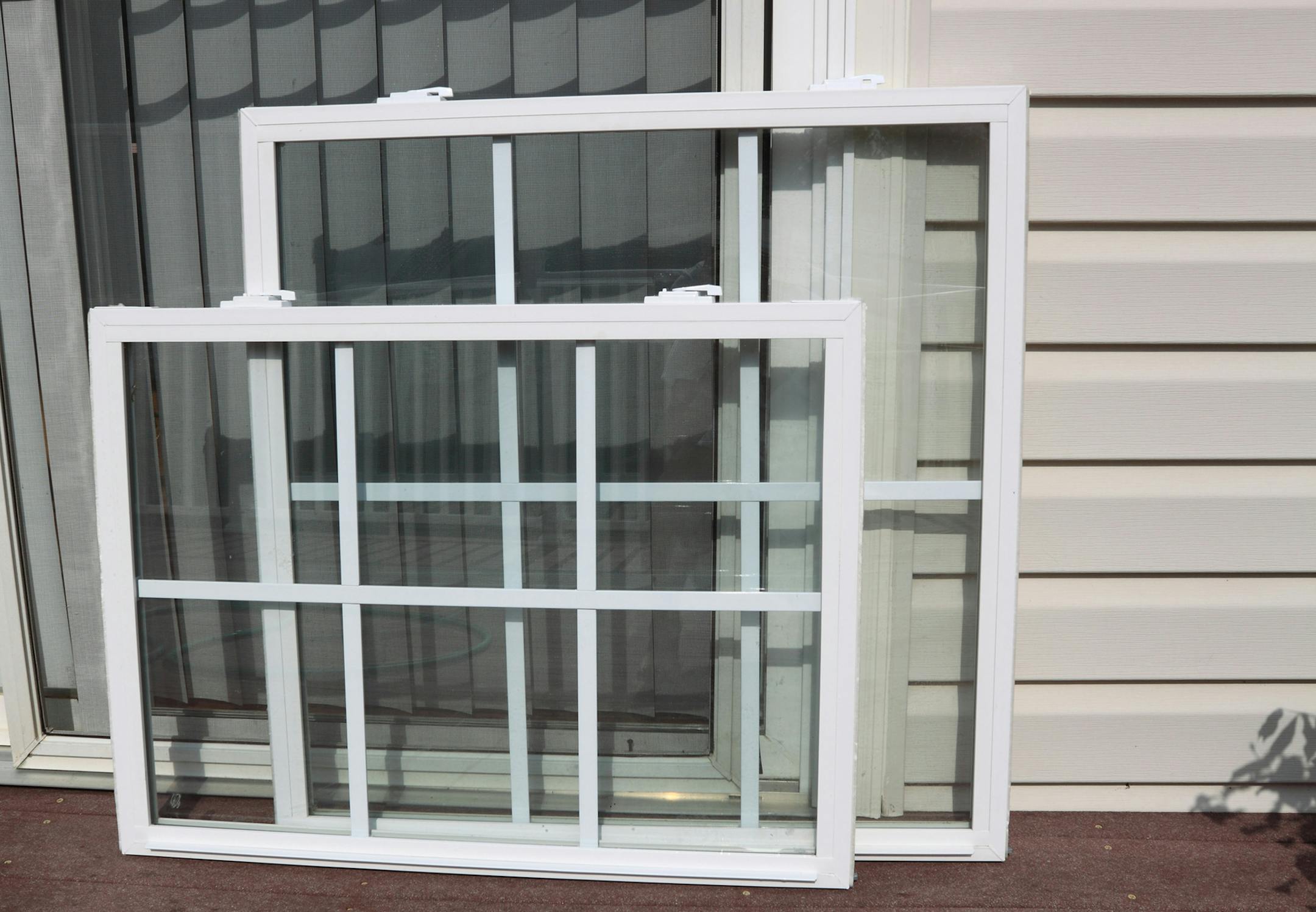
Many homeowners have plenty of reasons to replace their windows. They may have deteriorated to the point that they are ugly or drafty. They may be difficult to open or to keep open. They may be hard to clean. You may want to minimize your home's energy use and impact on the environment. You might also want to install a window where there was no window before.
But buying new windows is a very expensive home improvement. Although window sellers may make extravagant claims about how much their windows will reduce your energy bills, even new windows that replace old, very drafty ones are unlikely to "pay for themselves" in energy savings.
If you are thinking about buying new windows, know that choosing a good installer is as important as choosing the right windows. Unfortunately, in addition to sketchy claims about the environment, some companies abuse customers with high-pressure sales tactics and substandard products and installations. The nonprofit consumer group Twin Cities Consumers' Checkbook surveyed its members and Consumer Reports subscribers about their experiences with area window replacement outfits and received a disturbing number of complaints about sloppy installation work. For the next month, Checkbook is offering free access to its ratings of window suppliers and installers to Star Tribune readers via this link: www.checkbook.org/StarTribune/Windows.
Companies differ greatly in the quality of work they do but also in the prices they charge. Checkbook's undercover shoppers collected price quotes from area contractors for several typical installation jobs and found big price differences. For example, for one carefully specified replacement job its shoppers received quotes from area companies that ranged from $4,815 to $8,135.
Start by comparing several window types and models. Ask about and assess how each option will affect your home's appearance, the amount of light admitted, your comfort, energy savings, and how long the windows last. For many homeowners, costs will drive many decisions. You will find a very wide price range for each type of frame material, but in general vinyl is the least expensive option; wood is usually midrange, with exterior-clad wood more expensive; and fiberglass models top the price list.
Check salespeople's claims about energy savings with info available from the independent Efficient Windows Collaborative (www.efficientwindows.org). For information on durability, check the results of Consumer Reports' tests. Also compare warranties: Better-sealed window units tend to come with warranties of 20 years or more and don't prorate reductions in the covered value as time passes.
Once you have decided on a window model, obtain several written price quotes. You will find enormous price differences for the same windows and work.
Whichever company you hire, make sure you get an airtight contract. It should include:



