

There are two main lines of analysis about Germany's role in the European Union. The first, favored by populist euroskeptic politicians, is that Germany seeks to reverse the setbacks of the 20th century and rule Europe by other means. The second, popular with political commentators and other members of the European elite, is that German guilt over the setbacks of the 20th century inhibits it from exercising the leadership that the E.U. actually needs.
If the past several weeks are any guide, reports of German inhibitions have been exaggerated.
We'll see whether Friday's tentative agreement over Greece sticks. This week, Athens is to present a list of measures to the International Monetary Fund, the European Central Bank and the European Commission — the so-called troika, with which Greece's new government vowed not to deal. If the supervisors sign off, the plan must go to various national parliaments for approval, including Germany's. This thing isn't over yet.
Whatever the outcome, Germany's role in the standoff has been striking. The struggle between Greece and the eurozone finance ministers has been reported as if it were a battle between Greece and Germany, with the rest looking on. This was an impression that German officials went out of their way to reinforce.
Last Thursday, as another in an extended series of final deadlines loomed, Greece presented an amended proposal for discussion. Eurozone officials were guardedly optimistic, saying its letter could be a basis for negotiation; the Dutch chairman of the so-called euro group of finance ministers, Jeroen Dijsselbloem, called another meeting to discuss it. Meanwhile a German government spokesman dismissed the document out of hand: "The letter from Athens is not a substantive proposal for a solution," he ruled; German officials called the letter a "Trojan horse."
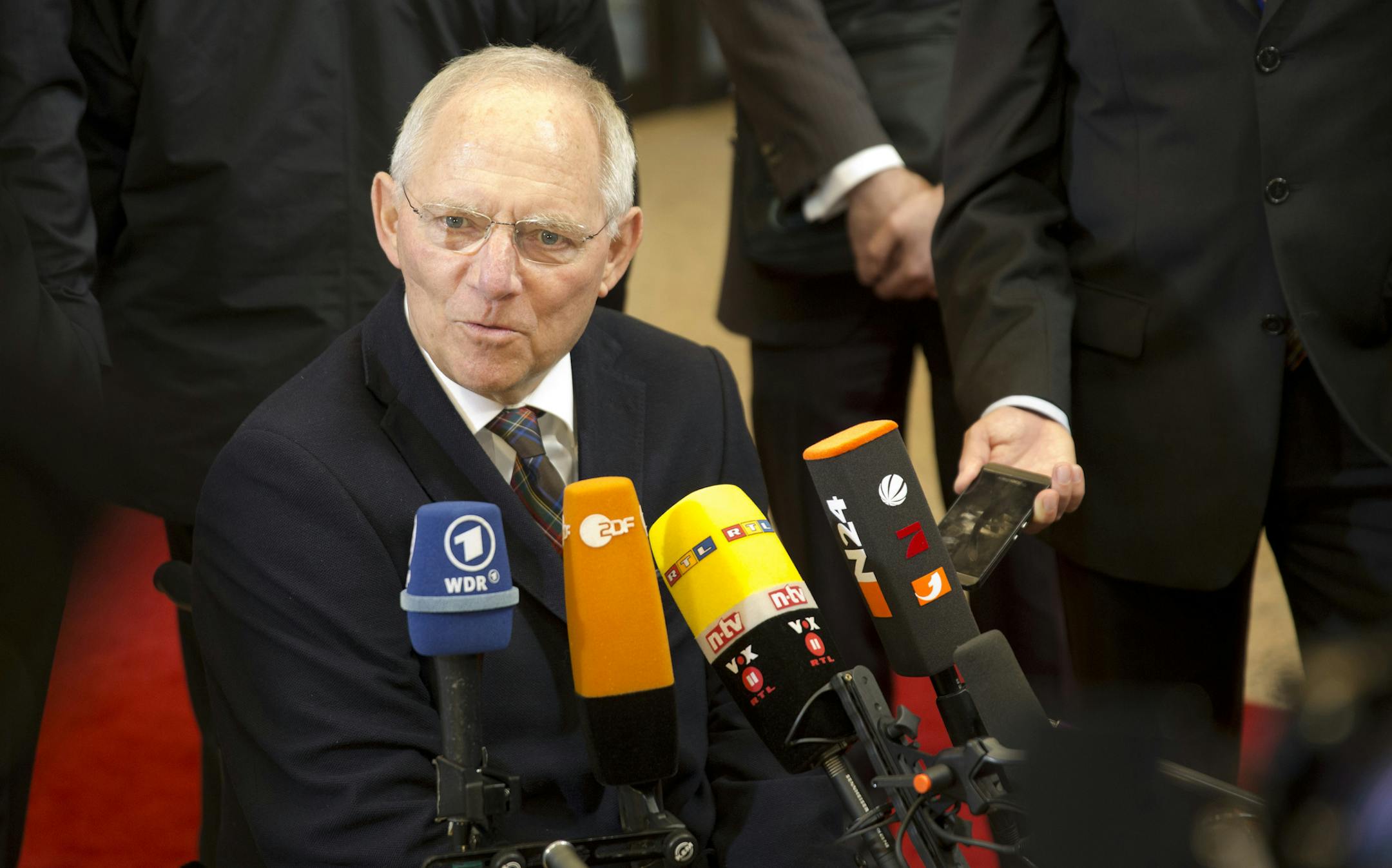
German Finance Minister Wolfgang Schaeuble continued to declare that Greece already had an assistance program, so there was nothing to discuss. He dared Greece to defy the troika and suffer the consequences. The Financial Times reported:
"Mr. Schaeuble declines to publicly discuss Grexit, he has repeatedly said that Greece can choose to leave the €172bn financing programme — with all that implies. 'I'm ready for any kind of help, but if my help is not wanted, that's fine,' he said recently."
By the way, I think when he said "my help," he was talking about the euro group's help.


