DETROIT – The United Auto Workers, historically linked to factory workers throughout the industrial heartland, is seeing significant growth in membership at academic institutions nationwide, with no signs of slowing in 2018.
How does a union that originated on Michigan factory floors fit in the ivory towers of academia?
Many college researchers barely make rent while generating millions of dollars for a university, may wait months for paychecks, or be required to work in laboratories with dirty water. The UAW offers expertise on job security, pay schedules, parental leave, sexual harassment protections, health benefits, fair wages and retirement, members said.
"Sometimes there's a bit of an eyebrow raise when you say UAW. People ask, 'United Auto Workers?' But we chose the UAW because it represents the most academic workers of any union in the country. And it bargains great contracts," said David Parsons, president of UAW Local 4121, representing more than 4,500 graduate and undergraduate students and researchers at the University of Washington.
Wages have increased about 50 percent in eight years to nearly $2,500 a month, he said.
Recent victories include defeat of a proposed federal tax hike on academic workers, and legal challenges to the federal travel ban.
Labor observers question whether the UAW has lost its way, and loss of auto jobs has led to a narrative that it has lost its power. But the diversified membership keeps the union strong in size and money, providing financial resources — such as a healthy strike fund — that benefits the UAW overall.
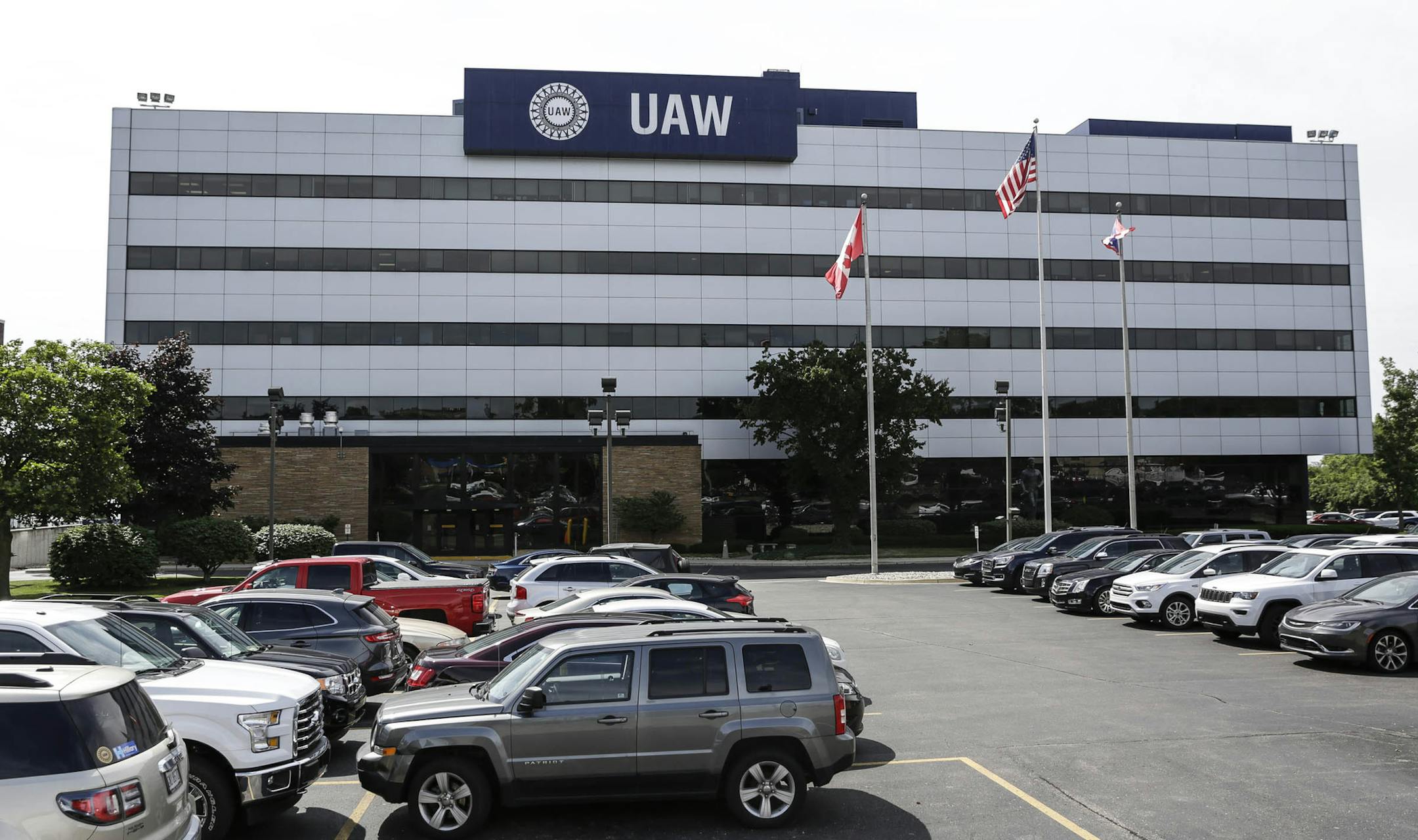
Nearly 70,000 workers on college campuses are affiliated with Solidarity House on Jefferson Avenue east of downtown Detroit. In California alone, 33,000 postdoctoral researchers and academic student workers are affiliated with the UAW.