

"To Kill a Mockingbird" author Harper Lee died Friday. Here are local writers' and actors' responses when asked what the book meant to them and what its broader significance has been:
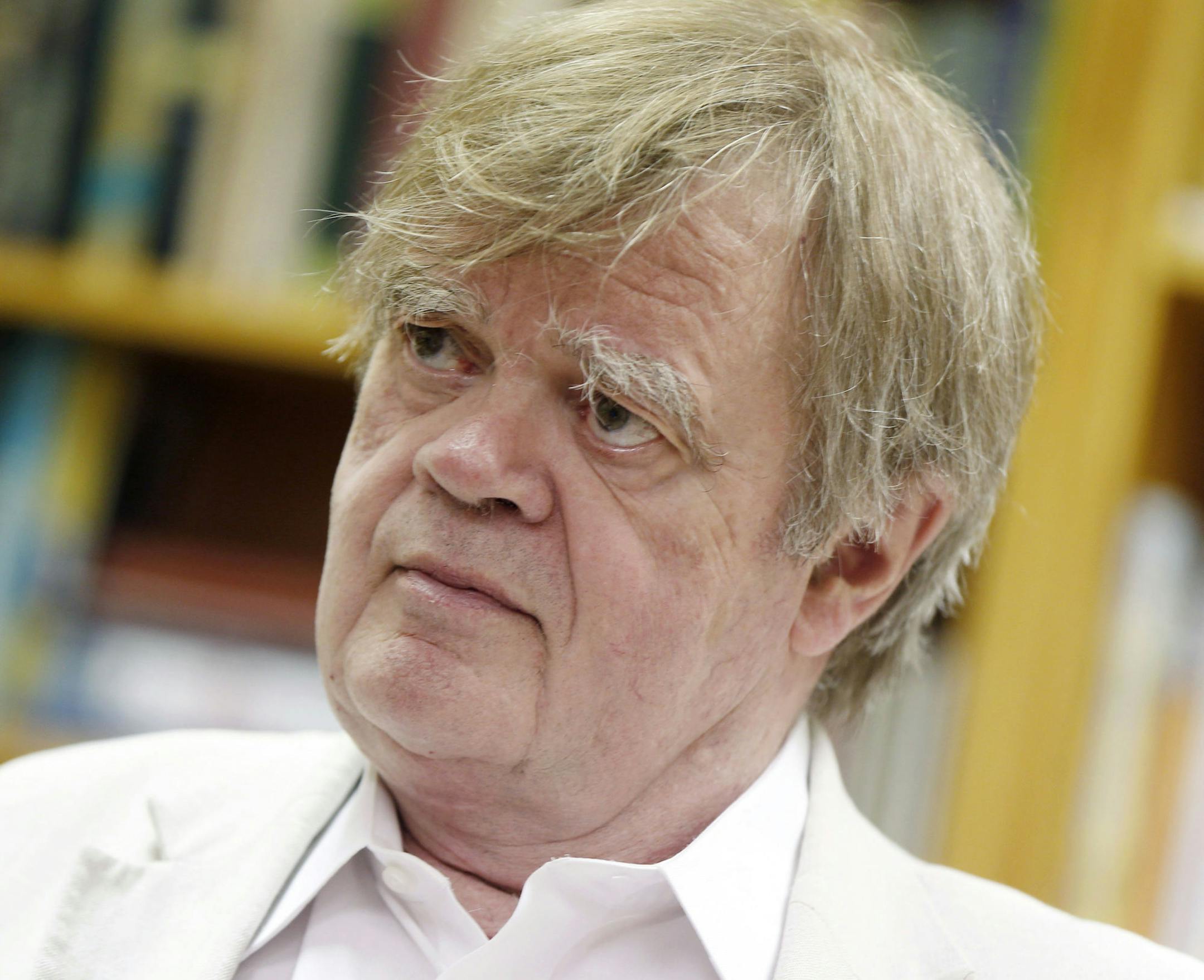
"She was a legend in publishing, the small-town girl who goes to New York to write a novel about her home town that becomes an enormous success and enables her to move back home and live a quiet private life and meanwhile her book goes on and on, a doorway for thousands of young people to enter into a fine appreciation of literature." — Garrison Keillor, author, "Lake Wobegon Days"
" 'To Kill a Mockingbird' inspired so many writers, including myself, and her book is indispensable to our society, a reflection of good storytelling that goes beyond small town Alabama. Harper Lee never flaunted her success; she preferred to let her writing speak for itself. As Miss Maudie says in Mockingbird, 'People in their right mind never take pride in their talents.' " — Loretta Ellsworth, author of "In Search of Mockingbird"
"'To Kill a Mockingbird'--and 'Go Set a Watchman'--are evidence of how thoroughly alive and urgent books can be, how profoundly ingrained they become in our imaginations." — Julie Schumacher, author of "Dear Committee Members"
"Harper Lee accomplished exposing an ugly truth in American society through literature, which is often the only way it can be heard and believed." — Carolyn Holbrook, founder of SASE.
"The dream of every author is to create a work that is bigger than they are, large enough to confront the times in which they live. Lee was one of the few who did that. 'Mockingbird' appeared as the nation was grappling with the issue of race at a deeper level than ever before. Old customs were being challenged and standards for human conduct re-evaluated. We needed a story to make sense of it all." — Jonathan Odell, author of "Miss Hazel and the Rosa Parks League."
"It's certainly no easy thing to sum up Harper Lee's influence. What she managed to do in 'Mockingbird' was to broadcast and clarify this nation's problem of racial hatred — and do it in a way readers could accept, because she showed it to us through a child's eyes. 'Go Set a Watchman,' on the other hand, has challenged her vast readership to grapple with the unknowable chasm between the author as human being and the author as artist. (Though I have to doubt if that's what she intended.)" — Lin Enger, author of "The High Divide"
" 'To Kill a Mockingbird' is one of those rare novels that helped, and continues to help, a whole society reckon with big, painful truths. It's a book everyone should read, and re-read." — Peter Campion, author of "Other People"


