

Some formative moments in my life involving dance: winning a dancing contest in my driveway when I was a little kid by doing the worm; getting down at Tet celebrations every year in my little three piece suit even when I couldn't dance; my first slow dance at the Waite House; prom my Senior year at South (the last time I would ever rock a blue suit); a short career as a DJ; dancing well enough at a couple of clubs to get some unsolicited and completely unexpected phone numbers thrust into my hands in my 20's; voting for Kaba Modern and JabbaWockeeZ on America's Best Dance crew; seeing Hmong B-Boys and B-Girls at I.C.E.; going with a bunch of Asian American friends to see Planet B-Boy at the Lagoon and being surprised that the movie featured three Asian teams (and have the other crew of Asian Americans who happened to go on the same night grill us in the movie theater lobby as if we were there to battle).
But the first time I remember thinking seriously about how dance and politics were intertwined was when I went to see Joanna Kadi speak about her book, Thinking Class, way back in the day, at the Hungry Mind bookstore in Saint Paul. She spoke about the differences in perception between ballet and Arab dance, particularly dancing that would happen during family gatherings. I don't want to butcher her ideas too much here, but it basically made me question the institutionalization of art and how there are class, race, and gender hierarchies that have an influence on how we appreciate dance.
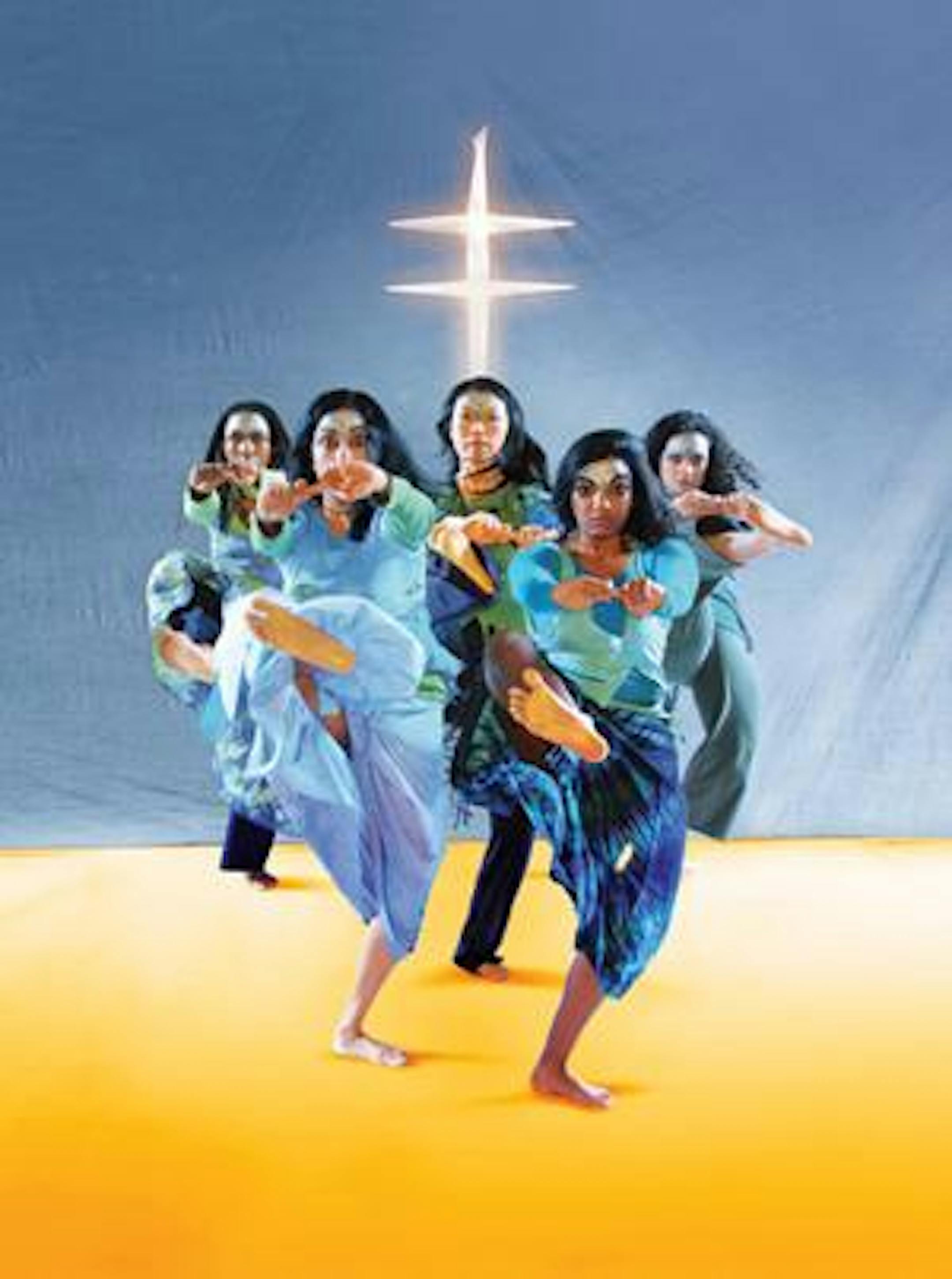
In recent years, I've had the great joy of attending shows featuring Ananya Dance Theater, currently set to present the final installment of their trilogy on environmental justice (Pipaashaa, 2007, Daak, 2008, and Ashesh Barsha, this week at the Southern Theater, September 10-13; for more info go here: http://www.ananyadancetheatre.org). Their work is beautiful, powerful, and provocative – if you haven't seen them yet, their show is an absolute must. It will make you feel spoiled to be a Minnesotan, to be able to witness such incredible and important work. If you've already been a longtime supporter, this is your chance to check out the last show in their trilogy.
Two of the company took some time out of their intensely busy schedules to talk to me and answer my stupid questions for this blog: Ananya Chatterjea, ADT's Artistic Director and Choreographer, and Jasmine Tang, Ph.D. candidate in American Studies at the University of Minnesota who has been performing with ADT for over two years.
Why is Ananya Dance Theater important to you?
Ananya: ADT is important to me because it is one of the only spaces that allows me to bring together, and integrate completely, my two big passions: artistic excellence and social justice. Where else can I work with a fierce group of brilliant, thoughtful, artistically talented group of women who are equally committed to the articulation of metaphor through breath, rhythm, line, and of a politics of alliance, and raising
questions about inequities?


