

The public now knows the astonishing extent of Putin-directed Russian hacking of the Clinton-Trump election. It reached into the voting records of at least 21 states, and included a sweeping effort to influence voters with targeted fake news, fake Facebook posts and fake tweets, not to mention the hacks of e-mails from the Hillary Clinton campaign and the Clinton Foundation that dominated the news cycle the last four months of the campaign. In what the Washington Post report — reprinted in the Star Tribune — called the "crime of the century," Vladimir Putin won, and so did Donald Trump.
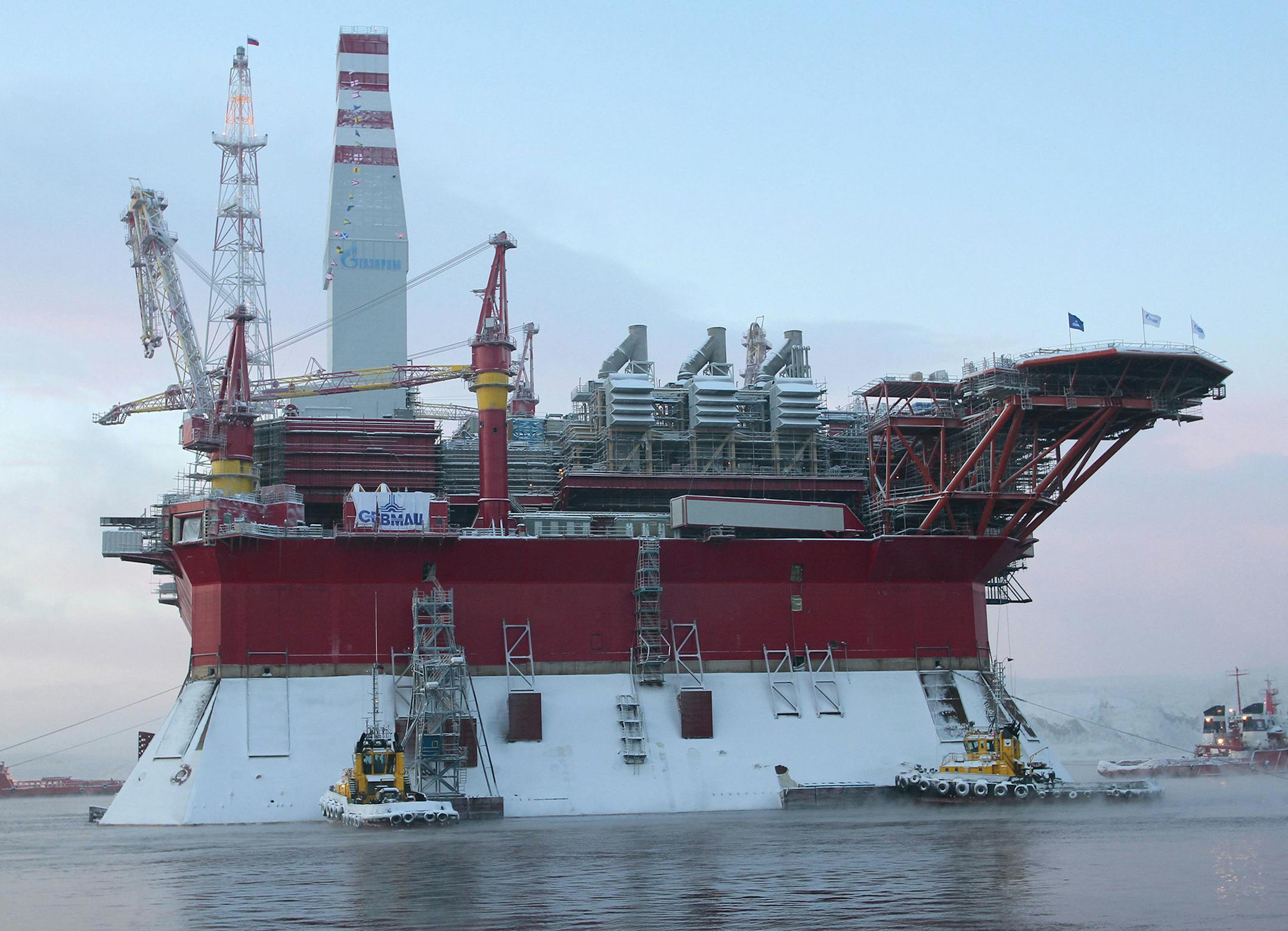
What is missing from all of this reporting is the "why." The answer is simple: fossil fuels. Putin has one viable export industry, oil and gas, and Clinton's campaign expressly stated that it would continue sanctions imposed by President Barack Obama on those exports as a penalty for the invasions of Crimea and eastern Ukraine. Meanwhile, throughout the campaign, Trump overtly stated his friendliness for Putin and his interests.
The proof is in the pudding. As president, Trump has installed the most virulent anti-climate-science, pro-fossil-fuel officials at the EPA, the Energy Department and elsewhere. Meanwhile, the Republican Congress, dominated by Mitch McConnell, representing a coal state, and James Inhofe and Lamar Smith, from oil states, pursue a radical anti-climate-science, pro-fossil-fuel agenda while stonewalling serious action against Russia.
In state legislatures, including in Minnesota, Republican politicians are determined to repudiate climate-friendly policies, lest they face candidates from further right, often well-funded by the anti-science, pro-fossil-fuel Koch brothers.
What are Minnesota voters to do in the face of these climate-science assaults, in addition to being hypervigilant that the stories they see and believe and pass along are created and vetted by credible sources, not made up by internet manipulators?
First, Minnesotans need to remember that we are not a state beholden to the largesse of coal and oil interests. We import all of our fossil fuels. Plus, we are blessed with remarkable solar and wind resources. State and local policies have sparked non-fossil fuels to remarkably fast growth — more than 20 percent of the state's electricity, on the way to 50 percent possibly as soon as 2030.
Winners in this transition are everywhere, from taxpaying wind farms in southwestern Minnesota to solar farms blooming all over the state. Minnesota utilities such as Xcel Energy, Minnesota Power and Great River Energy are pushing forward fast.
There are losers, which is why Becker, Minn., was awarded a natural-gas plant to replace its coal-fired boilers, saving 100 or so well-paying jobs and a big chuck of tax base for Sherburne County, albeit sacrificing equivalent growth through wind and solar investment in the rest of the state.


