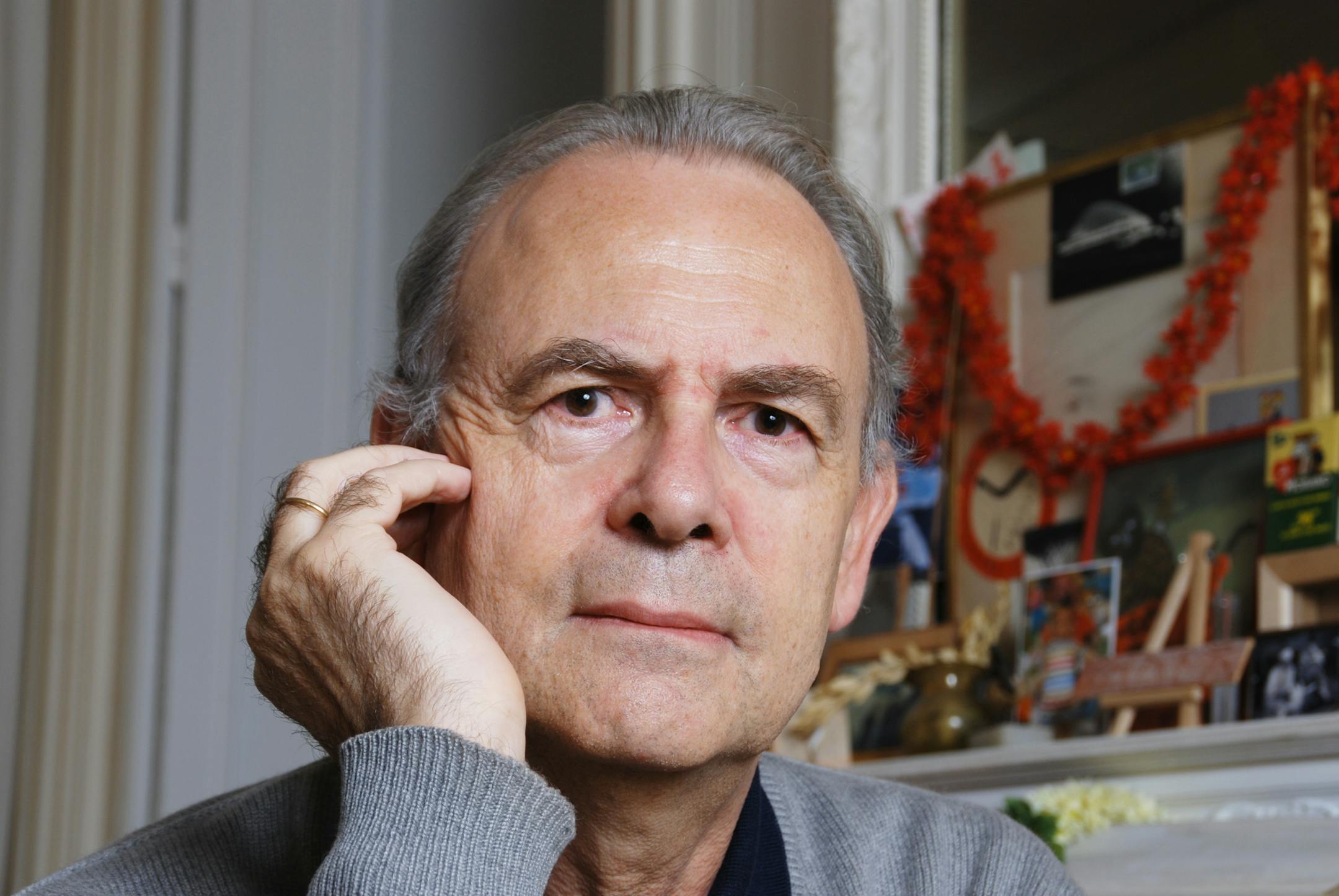
Patrick Modiano was awarded the 2014 Nobel Prize in literature "for the art of memory with which he has evoked the most ungraspable human destinies and uncovered the life-world of the occupation."
Before his win, most of his work was unavailable in English. Since it, there has been a healthy trickle of translated novels and novellas, allowing Anglophone readers to finally sample what they had previously missed out on.
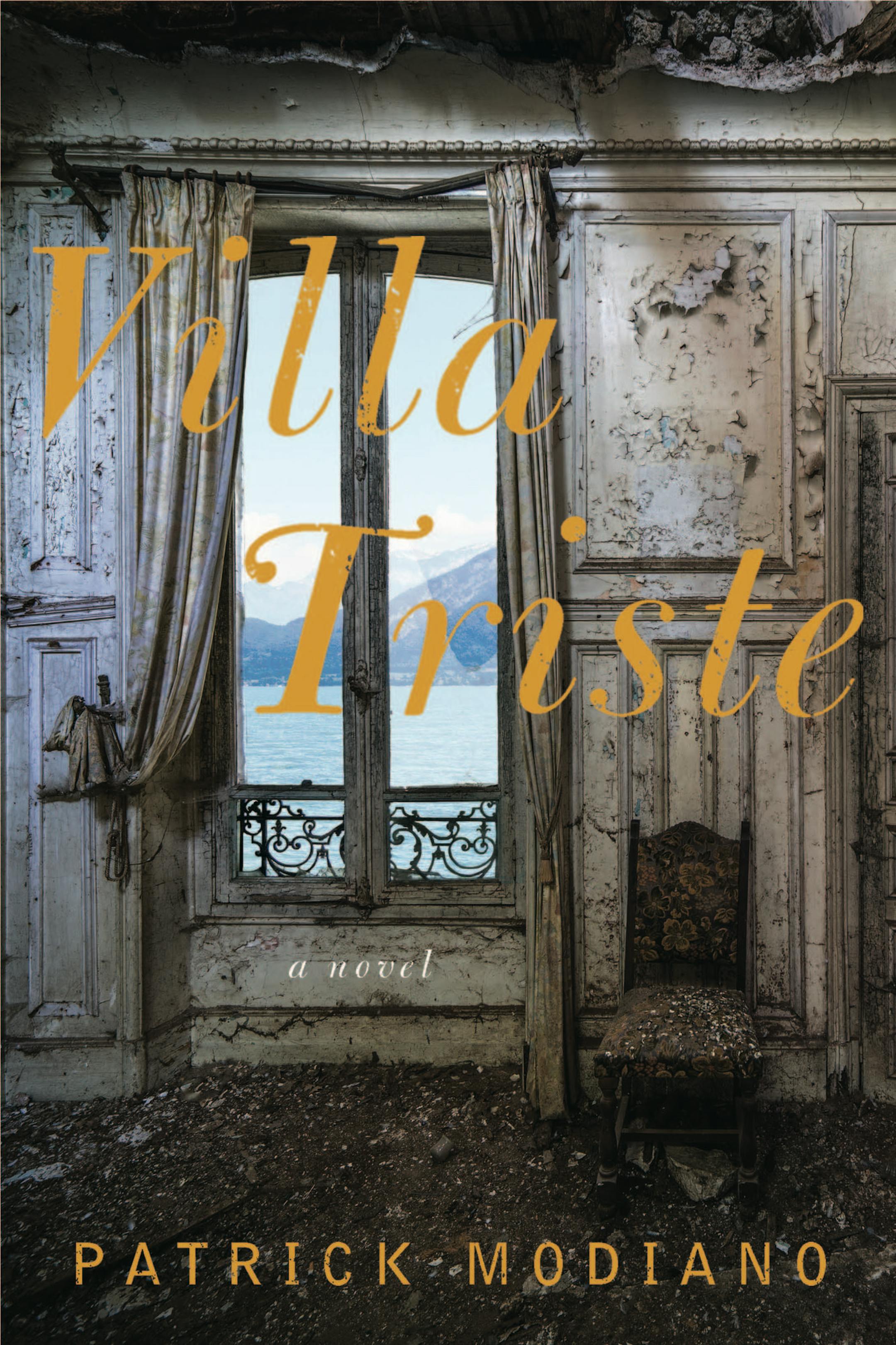
"Villa Triste" is the latest book to see the light of day in English. Originally published in the author's native France in 1975 and now beautifully translated by John Cullen, this novel does not dip into that "life-world" of the French Occupation, but it does bear out the rest of the Nobel citation in being a seductive and at times poignant exploration of memory.
Modiano's narrator is a young, stateless, 18-year-old drifter who washes up in a small French provincial spa town in the early 1960s. He checks into a boardinghouse and settles down to enjoy the summer with the other visitors. But it is two residents of the town whom he ends up gravitating toward.
There is Meinthe, an enigmatic doctor, and his friend Yvonne, a beautiful actress. The pair take him under their wing and introduce him to a glittering, glamorous society and life of leisure.
Hot days are spent on the beach or promenading through town. Warm nights consist of parties in private villas and long hours in the Casino and Sporting Club. The three mingle with a film director, a Belgian baron and a sleazy, aging playboy.
Our narrator falls for Yvonne and moves into her grand hotel. But when the two lovers make plans to pack up and leave the "holiday oasis" for America, a shadow encroaches upon their relationship and threatens to sully that perfect summer.
Modiano's fiction is famous for its clear, uncomplicated prose, but it routinely features un-pin-down-able characters, murky motives, evasive gestures and a tangle of moral uncertainties. "Villa Triste" is no different. It appears lean but has more than enough meat on it. The shifty narrator goes under a false identity — Victor Chmara — and passes himself off as a Russian count. He tells us he has fled Paris and that this resort doubles as a refuge — but from what we are never sure.