

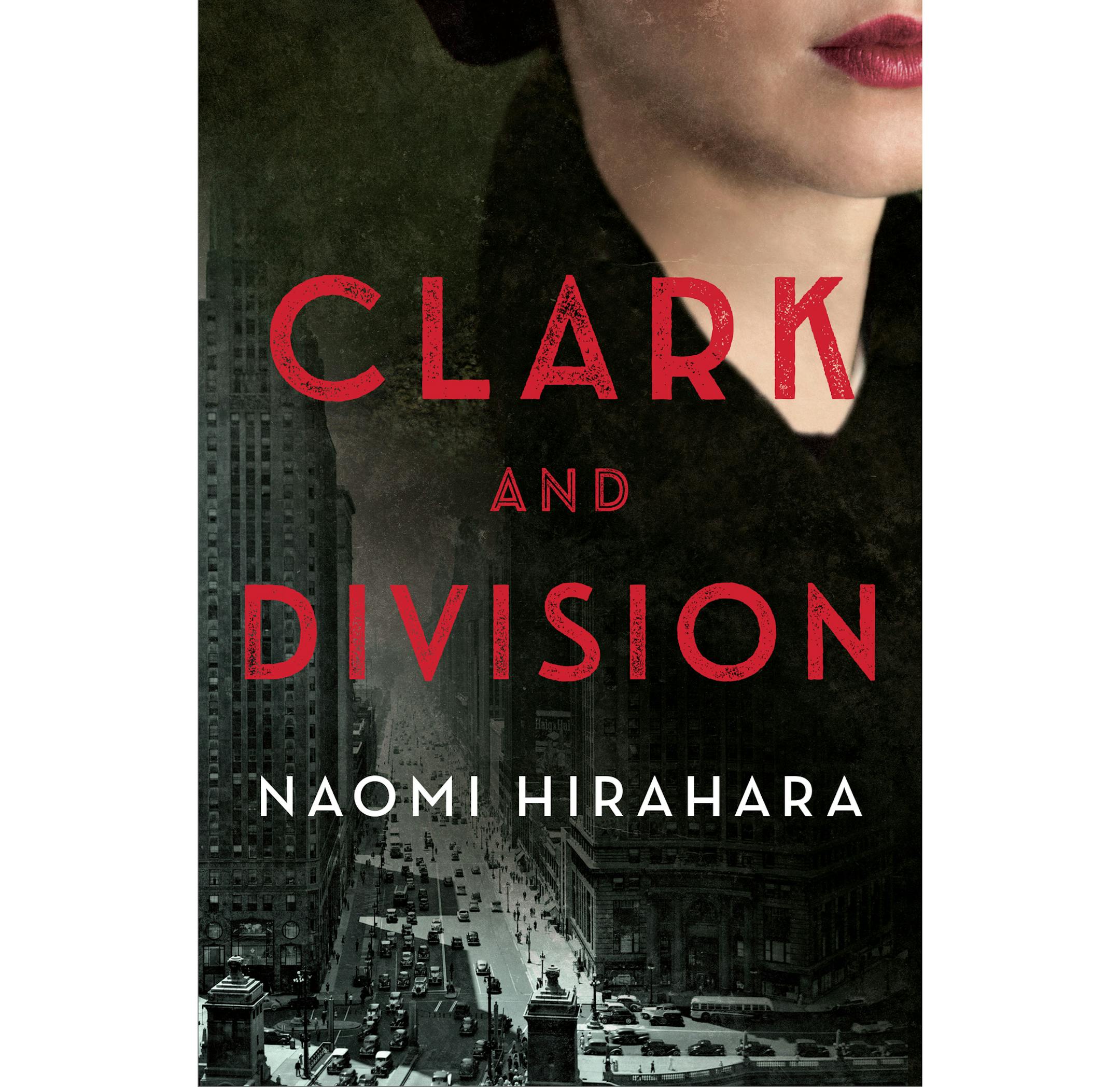
"Clark and Division" opens with an arresting image of its narrator's birth in the 1920s. Her older sister, 3-year-old Rose, was so eager for the new baby that she wriggled past the midwife trying to aid the breech delivery and, as "the first one to see an actual body part of mine, yanked my slimy foot good and hard."
Aki Ito, the narrator of Naomi Hirahara's new historical novel, repays the devotion. The sisters are close to each other throughout their childhood in Tropico, a small town near Los Angeles. Their parents are Issei, immigrants from Japan; their father starts as a farmer and becomes the manager of a produce market in downtown L.A.
Their life is good, although there are shadows. When Aki is in eighth grade, she's invited to another girl's birthday party, then disinvited in the middle of it because the hakujin (white) mothers of other girls don't want her swimming in the pool with them. When Aki comes home in tears, Rose takes her back to the birthday girl's home and demands (and gets) an apology from the kid's mother. "Don't you let them ever think that they are better than you," Rose tells Aki.
But in 1941, the attack on Pearl Harbor turns their lives upside down. First there are curfews on Japanese-Americans, and they're required to turn over all radios and guns to the government. White customers stop shopping at the Japanese-owned market where Aki and Rose's father works.
Then exclusion orders are issued. Japanese families in California must report for transfer to internment camps, bringing only what they can carry.
Aki drops out of college; Rose and their father leave their jobs. Their home and car are confiscated, and in March 1942 they move into one of the 500 newly built barracks at Manzanar, near Death Valley.
Rose is first in her family to adapt to and play the politics of camp life, and a year later she's one of the first Nisei (American-born Japanese) deemed "loyal" enough to leave the camp. They're not allowed to return to California but are sent to "the Midwest or East, anyplace that needed cheap labor to replace the men who had been sent to fight overseas." Many young Nisei men enter the military.
Rose sends her family postcards of Chicago landmarks as she settles in the city, finds a job and looks for a place big enough for all of them, handling the paperwork for their transfer.


