

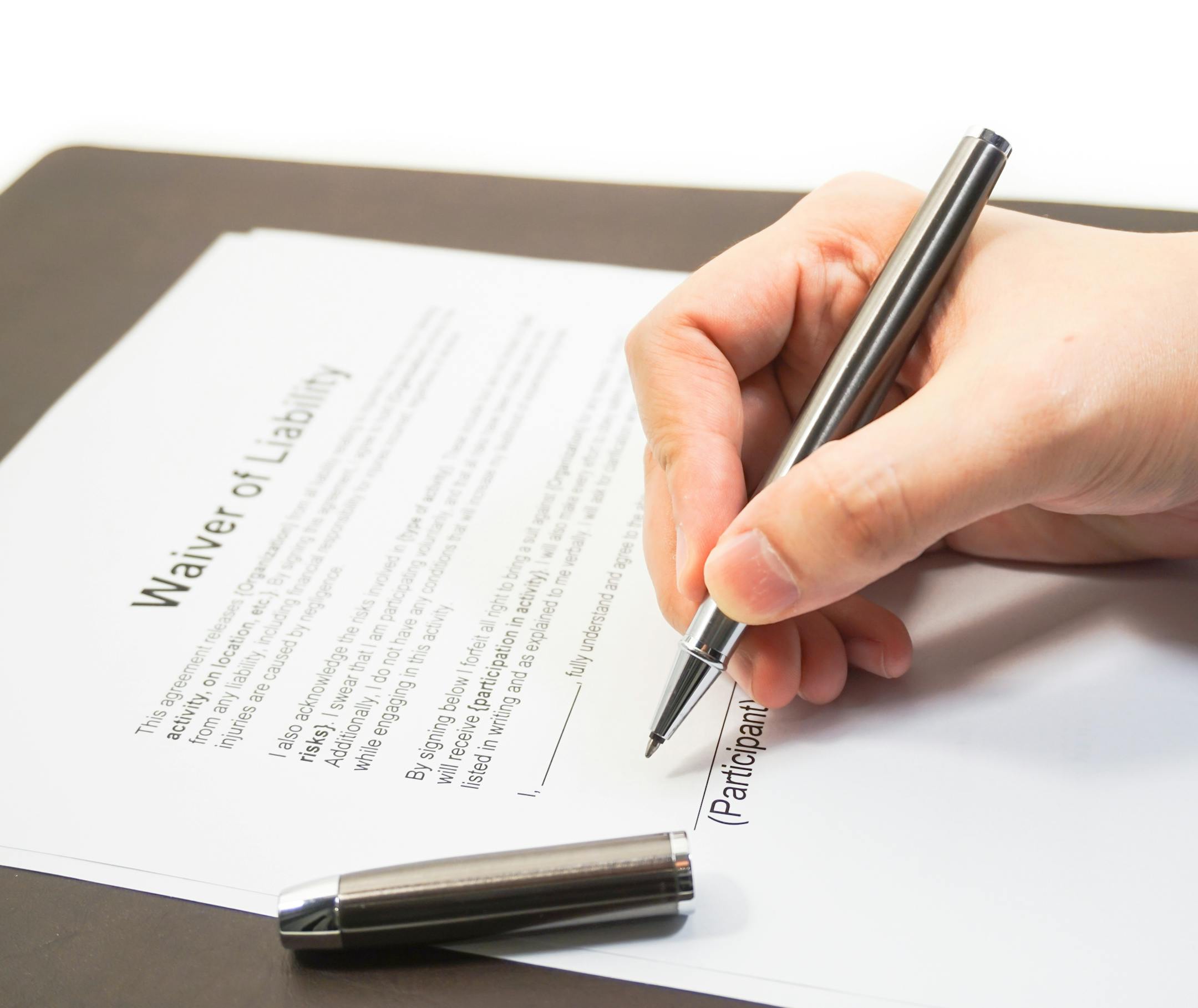
A trend is developing that demands that employees sign waivers of liability, in favor of their employers, in the event they contract COVID-19 upon their return to work as the restrictions are lifted.
While few of them have surfaced in Minnesota, they are spreading like a virus across the country. In a handful of states, laws have been enacted or gubernatorial executive edicts issued immunizing employers from liability claims by coronavirus-infected workers, including Alabama, North Carolina, Oklahoma and Utah.
Meanwhile, legislation is pending in Congress, promoted by Republicans in the Senate, to require immunity for large sectors of the workplace, in exchange for joining Democratic-sponsored legislation in the House of Representatives, extending additional stimuli payments.
Waiver supporters insist that such immunization is necessary in order to reinvigorate the economy, while opponents caution against them for fear that they will expose employees to illnesses for which they cannot receive compensation.
Other observers point out that the insistence on those waivers may give out the wrong signal, particularly to customers and vendors, that measures are not being taken to safeguard the places they patronize.
Looming limitations
Setting aside the efficacy of those arrangements, the looming limitations of liability are of questionable legal validity.
At first blush, the waivers seem legally suspect because they are presented as unilateral take-it-or-leave-it arrangements that employees may view as coercive and are signed under duress. However, the courts generally uphold these kinds of devices, as long as employees have a choice, which they do, to either accept an employer's imposed terms or not work.
The Minnesota courts have long upheld prospective disclaimers of liability for incidents of negligence, but not gross impropriety or intentional wrongdoing by the propagator of the instrument and not for what are deemed "essential services," which generally do not extend to employment relationships. The state Legislature stepped into the fray in 2013, enacting a law that imposes limitations on disclaimers for consumers. The measure basically leaves the existing judicially crafted law intact, permitting disclaimers as long as they do not grant immunity to employers for actions beyond mere negligence or ordinary carelessness. The statute, however, only applies to consumers and not to others who may have engaged in relationships, such as employees, subcontractors, vendors, and the like.



