

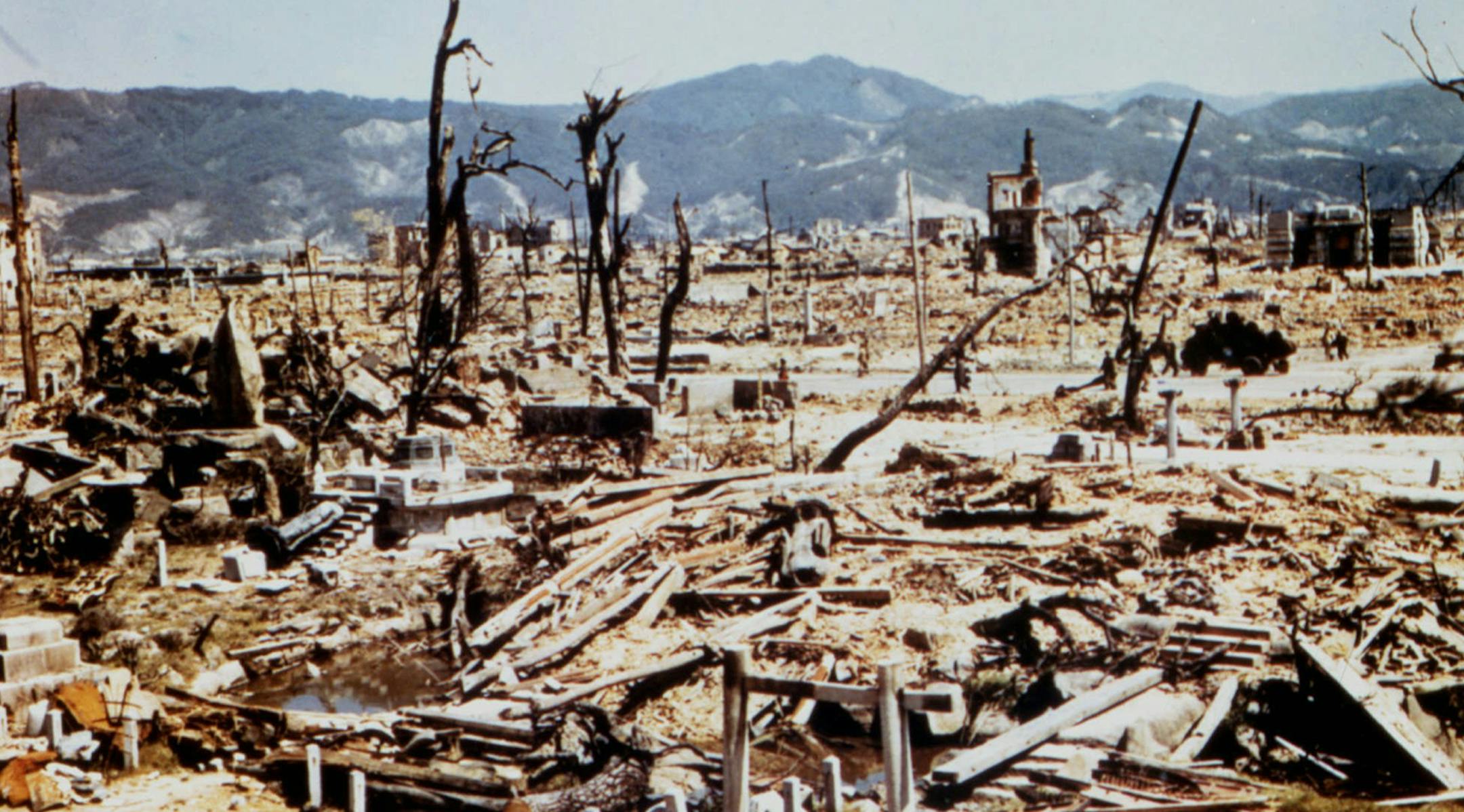
As we remembered the 70th anniversary Thursday of the dropping of atomic bombs on Japan, I also recalled that my father was a 19-year-old private in Germany in 1945 as the war in Europe ended. He and his fellow soldiers fought hard, liberated concentration camps and defeated evil incarnate. Then, they waited. They were told they were being sent to the war with Japan in the Pacific in a matter of weeks. From what they had read about the battles of attrition we fought with Japan, and about that country's stated policy of no surrender, they knew that many of them would be killed. My father told me that no one could imagine their relief when the atomic bombs were dropped and Japan surrendered.
The surreal destructive ability of atomic weapons had been demonstrated. The loss of life, particularly civilian life, was beyond tragic. Was my dad wrong to believe until his recent death that these bombs saved perhaps millions of lives? I would probably not be writing this letter today had the bombs not been dropped. The bombs have never been used since — either by sane governments, or semi-crazy ones. They appear to be a very effective deterrent to "all-out war with no surrender." That is my take.
David Arundel, Excelsior
• • •
As an academic physician anesthesiologist and member of Physicians for Social Responsibility, I read with interest the article "What if the Hiroshima bomb were dropped on Minneapolis?" (StarTribune.com, Aug. 6). Using NukeMap, a tool that demonstrates the devastation caused by nuclear weapons and a source I use when giving talks on nuclear weapons and public health, the article paints a terrifying picture.
As we remember the 70th anniversary of our country's dropping of atomic bombs on Hiroshima and Nagasaki, it is important to redouble our efforts on nuclear disarmament and prevention of the spread of nuclear-weapons technology. There are still 15,695 nuclear weapons in the world today, many of which are in former Soviet states, and there is little security protecting such weapons from capture by terrorist organizations.
U.S. Sens. Al Franken and Amy Klobuchar should support the Iran agreement, which blocks all four pathways to the bomb and gives the International Atomic Energy Agency access to monitor Iran's nuclear facilities (which an airstrike campaign would not do). The negotiations with Iran should serve as an example to the existing nine nuclear weapon states: To make the world safe, they should also negotiate to eliminate their arsenals. Further, the Obama administration needs to live up to its 2009 pledge to seek a world free of nuclear weapons. Our future is at stake, and when it comes to nuclear weapons, prevention is the only cure.
Caleb Schultz, Edina
LAKE MILLE LACS
Why assistance for fishing now but not for construction then?
There should be no special session for the Mille Lacs walleye problem. Yes, resort owners are going to be hurt. Yes, some will go out of business.
When the building trades, from which I recently retired, experienced a nearly six-year downturn because of the housing recession, the number of licensed contractors in the state shrank by thousands. The Star Tribune's bankruptcy listings on Mondays were rife with news of construction companies folding. There was no call for a special session in those times, even though I'd bet the economic damage to builders was far greater than all of the Lake Mille Lacs resort owners combined.


