

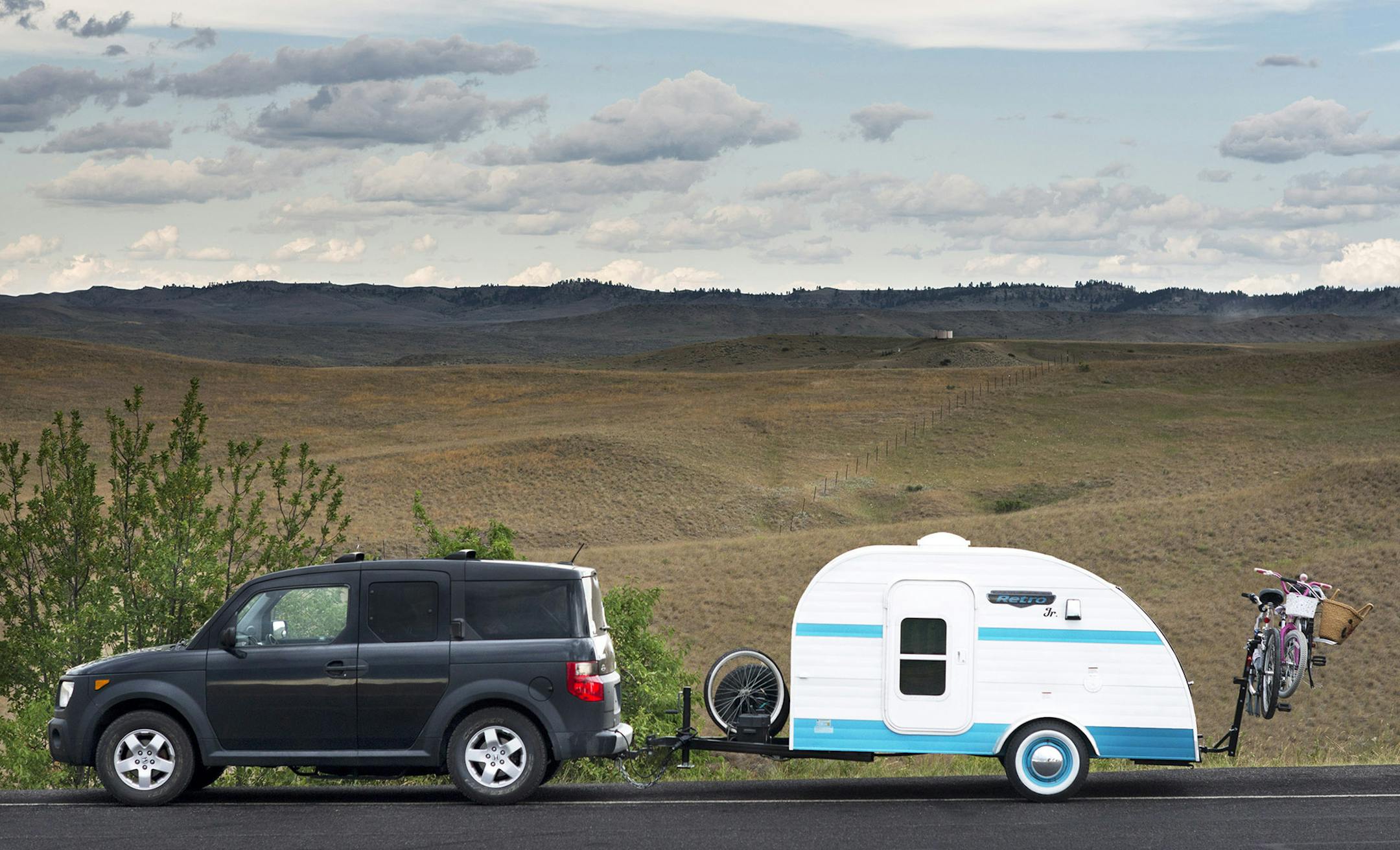
Seems a bit of irony that "the lure of nature" is driving RV sales ("The baby boomer RVolution," July 29). Entire ecosystems are threatened by the burning of fossil fuels. Are the "flush" boomers passing off responsibility for climate change to the next generation?
Hey, boomers, it's payback time. We've had better educational and employment opportunities than any generation in history, so how about we think about the grandchildren and do whatever we can to slow the pace of climate change?
The issue is not so much about technology or government policy as it is the example of our lifestyle. Perhaps we could try walking or biking to our communes with nature.
Harris Mills, Grand Marais, Minn.
LAND DEVELOPMENT
State discourages conservation, even for those who can afford it
I was dismayed to read that 93 acres in Orono, once preserved as forest and prairie by the Dayton family, will now be largely lost to development ("Sale of Dayton heir's land rocks quiet Mooney Lake," July 25). This is being driven by a shortsighted 2013 state law that prevents county assessors from reducing the value of property for land enrolled in a conservation easement. Instead, land maintained in a natural state will be assessed property taxes for its full development potential, effectively discouraging even the wealthy from protecting land via a conservation easement.
The motivation for the law is to prevent landowners from enjoying both monetary compensation from the conservation easement and a reduction in property tax burden. What the law fails to recognize is that the benefits of land protected in a natural state are enjoyed by not just the landowner, but by the community at large. These lands provide wildlife habitat, water quality benefits, carbon sequestration and aesthetic beauty. The value of these functions to the community are worth far more than the loss of property tax revenue. The consequences of discouraging land conservation today will be felt far into the future.
Tony Kaster, Plymouth
• • •
The article explained that less than half of the Daytons' 93 acres will be protected because of a detrimental state tax amendment passed in April 2013. We live just south of the Dayton land and were 90 percent complete with a protection easement on our 16 acres. The lockup would have allowed only one house in perpetuity. This would have prevented potentially five homes being built bordering the Woodrill Scientific and Natural Area of 150 acres. It represented a substantial six-figure gift in land protection. When we learned in April that we would be punished, not thanked, for giving this gift, we did not complete the easement agreement. We are reconsidering our options. We hope future amendments will encourage protection of wildlife habitat and open spaces.
Fred Winston, Wayzata
PROPOSED PLASTIC BAG BAN
Consumers, retailers already practice good stewardship
Ask anyone walking down Nicollet Mall what they immediately do with plastic bags they get from a store, and the least likely answer is "toss them in the trash." Most commonly you hear how bags are reused for dog walks, dirty shoes or bathroom trash can liners, or returned to the store for recycling. A Minneapolis resident will tell you they bring their own bags.


