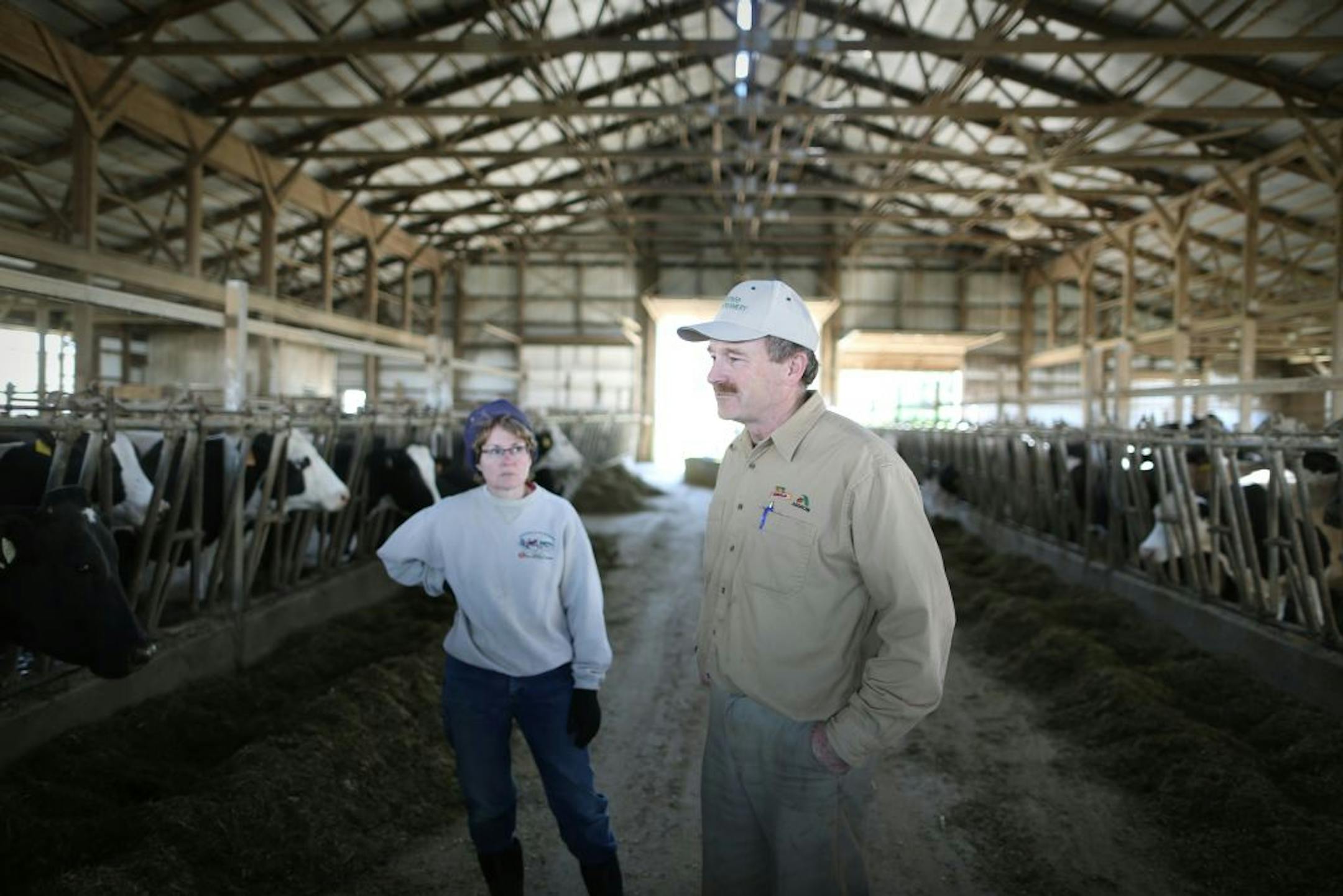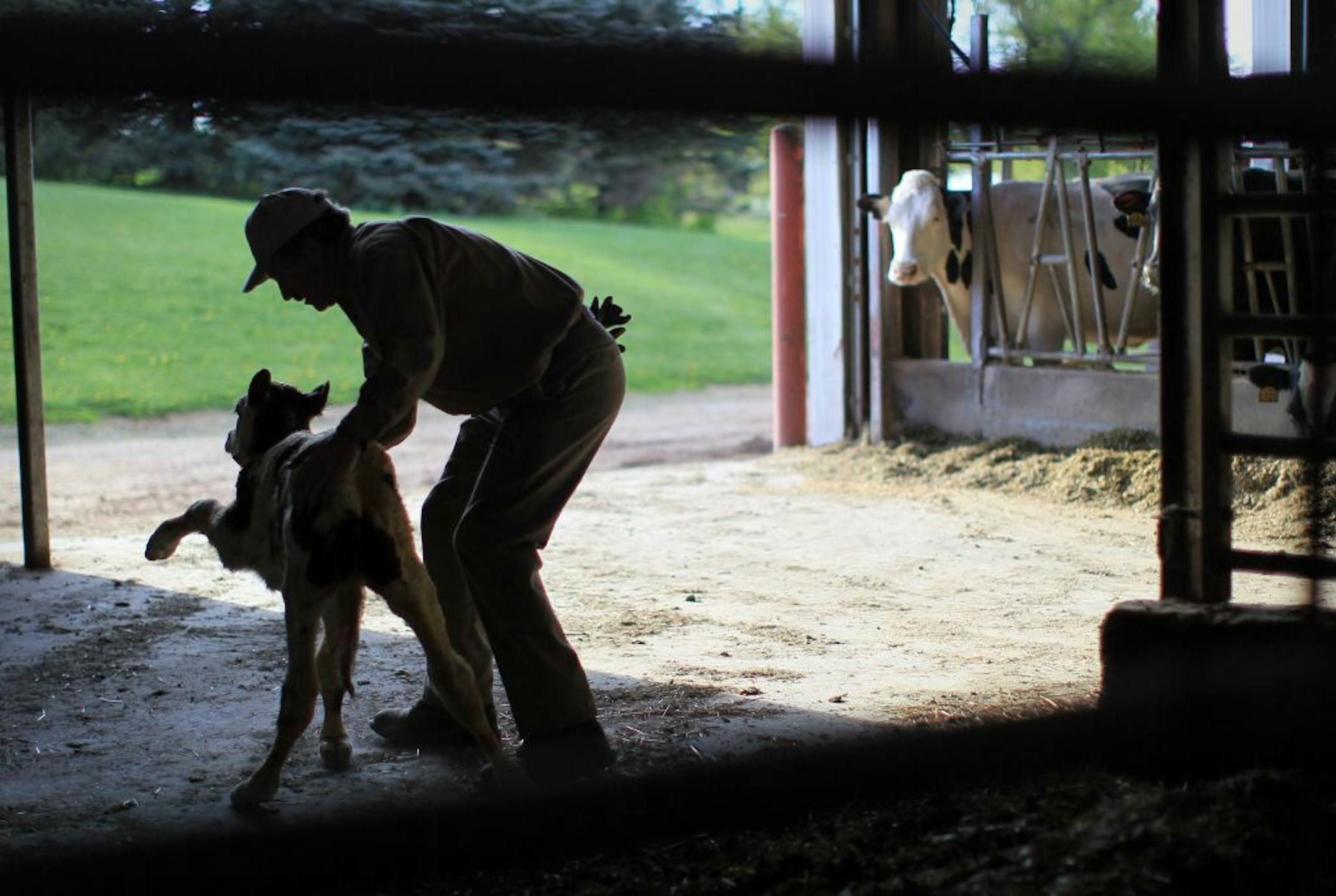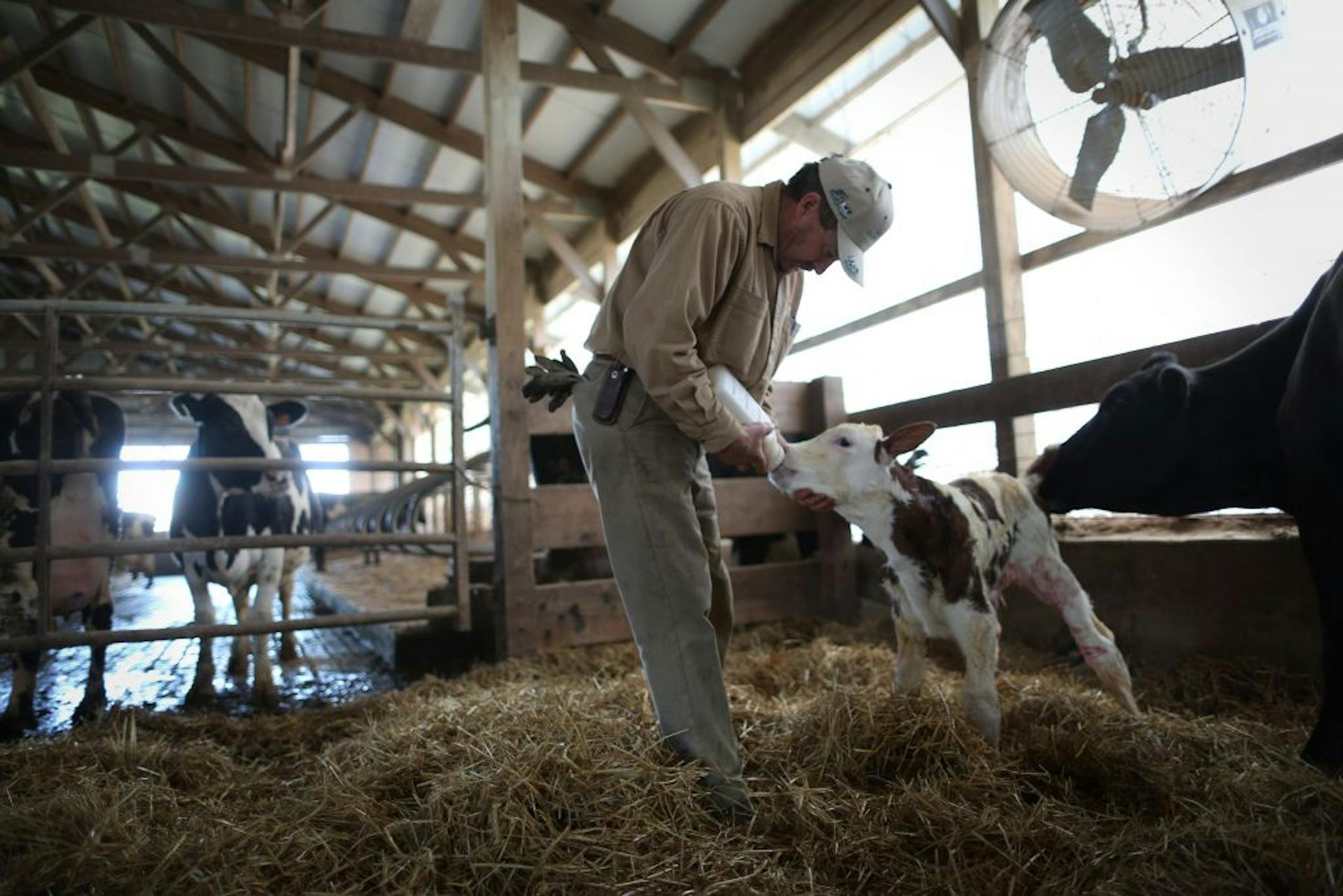
WASHINGTON - Dairy farmer Dave Buck feeds his calves at 6:30 in the morning and 6:30 in the evening. He wants them to grow healthy on his land in Goodhue, Minn., so they produce as much milk as possible.
Now, Buck and thousands of other Minnesota dairy farmers and dairy food processors may have to choose between getting the most milk from cows or participating in a voluntary government system that ties insurance protection to accepting occasional production limits.
"A quota system is basically what it is," Buck said. "It isn't as good for Minnesota if we want to grow our industry."
The goal of the proposed program is to protect farmers against losses and to eliminate big price swings, like the ones that drove a significant number of dairy farmers out of business in 2009. Whether that's a good idea has fractured agriculture communities across the country, including Minnesota, the nation's seventh-largest dairy state.
The Minnesota Milk Producers Association, of which Buck serves as vice president, came out against production limits. But many national and regional dairy farm trade groups support the measure, which was introduced in Congress by a longtime farmer ally, Seventh District Democratic Rep. Collin Peterson.
Some of the state's biggest dairy processors are also divided. Jon Davis, whose family-owned Davisco International Foods processes 4 billion pounds of milk annually, traveled from Minnesota to Washington last week to testify against quotas at a House Agriculture subcommittee hearing. He called the program an "unnecessary and costly intrusion in my business."
Meanwhile, the state's dairy foods behemoth, Land O'Lakes, issued a statement in favor of the law containing production restrictions, calling it a "model for policy reform across agriculture."
Why the disagreement? "A big part of this is whether you are planning to grow or stay the same," said University of Minnesota agricultural economist Bill Lazarus. "It looks like it penalizes people who are planning to grow."