President Donald Trump and Republican leaders unveiled a nine-page framework to rewrite the nation's tax code last week to rave reviews from within their party. But now the hard part starts — with the tax-writing committees in the House and Senate tasked with settling some of the most divisive issues. Questions from whether to set a rate above 35 percent for top earners to how to limit corporate interest deductions could easily fracture the GOP. With 52 senators in their ranks and little hope of Democratic support, Republicans can't afford to lose more than two members to get a bill passed. They also can't afford another legislative loss following their failure to repeal the 2010 Affordable Care Act. These six Republican senators will play key rolls in negotiating the details and getting a tax bill across the finish line:
Bob Corker
Having announced that he'll retire after the 2018 election, the deficit hawk is free to chart his path. And the two-term Tennessee senator is setting down a marker, insisting that he won't support a tax bill that adds to the deficit. That could make meeting Trump's promise for massive tax cuts difficult.
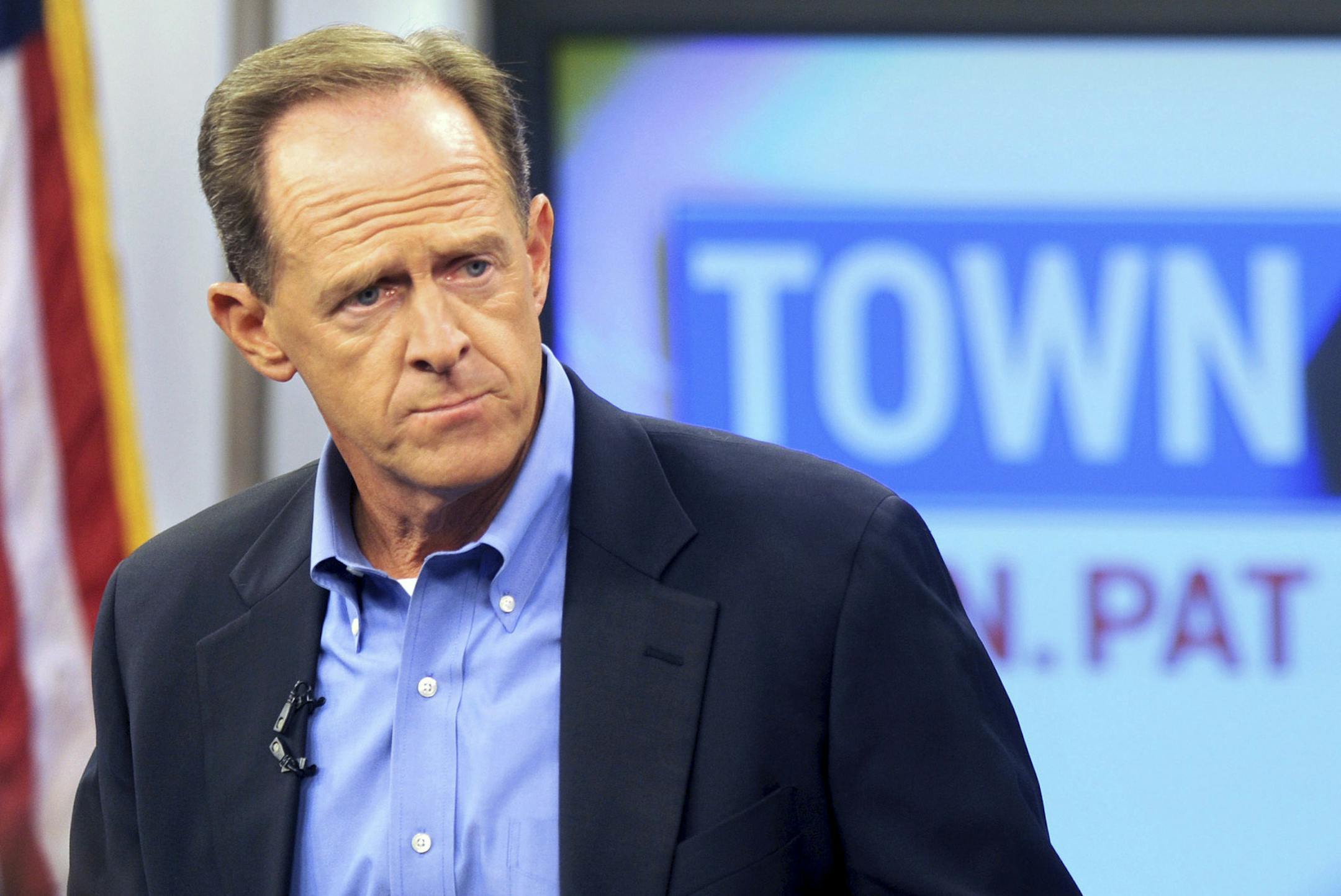
Corker recently struck a deal with Pennsylvania Sen. Pat Toomey paving the way for budget legislation that would allow for huge tax cuts in theory, but Corker has said he wouldn't allow them to balloon the deficit. "With realistic growth projections, it cannot produce a deficit," Corker said last week. "There is no way in hell I'm voting for it." He estimated that some $4 trillion in revenue-raisers must be achieved.
Corker also said that he wants to "get down to lower corporate rates and get rid of all these crazy issues that exist in our tax code," describing his opposition to raising the deficit as a "hard stand" in order to "make sure we stay fiscally sane."
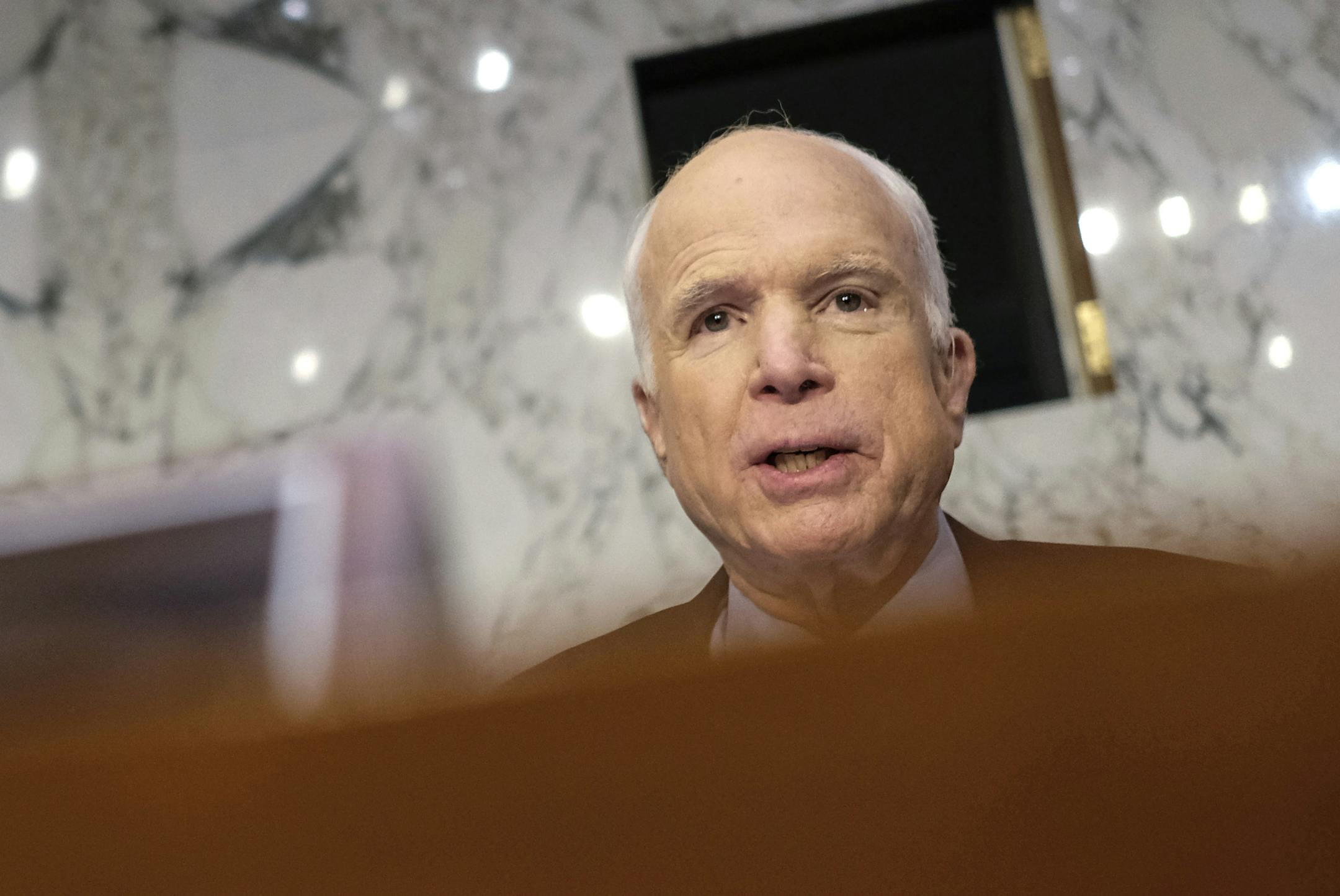
John McCain
Last week, the Arizona Republican outlined the same condition on tax legislation that twice proved pivotal in blocking Obamacare repeal efforts in the Senate: regular order that allows for hearings, debate, amendments and bipartisan support. "We need to do it in a bipartisan fashion," McCain said Tuesday of a tax overhaul. "I am committed, as I've said before, to a bipartisan approach."
That may be difficult to reconcile with Senate Republican leaders' plans to use the fast-track procedure on taxes that they tried to use on health care. Initial reaction among Democrats indicates firm opposition, but McCain praised the multiple tax hearings that the Finance Committee has held.
McCain, 81 and battling brain cancer, has a history of bucking his party on the issue of taxes. He was among the few Senate Republicans to vote against President George W. Bush's tax cuts in 2001 and 2003.
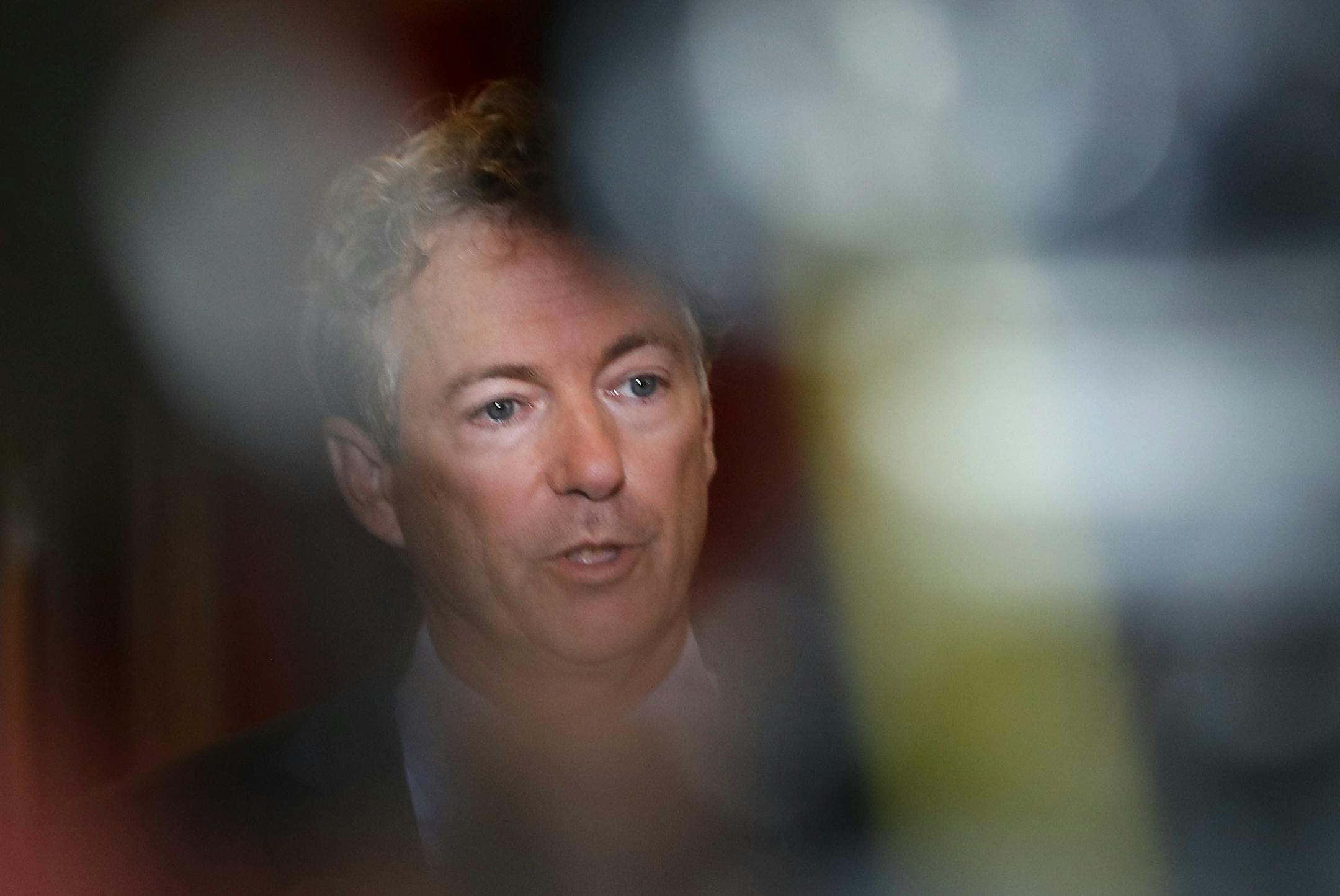
Rand Paul
The Kentucky libertarian is never an easy vote to win over — he proved it during the health care debate by staunchly opposing the Senate's last opportunity to undo the Affordable Care Act before the Sept. 30 deadline, complaining that it didn't go far enough. And now he's staking out a far-reaching position on taxes, too, calling for a "large cut of at least 15 percent for every taxpayer" in an Aug. 30 Op-Ed.