
Parkinson's patients to climb Machu Picchu

Parkinson's patients among group set for trek to Machu Picchu in the Andes Mountains.

September 24, 2016 at 12:45AM
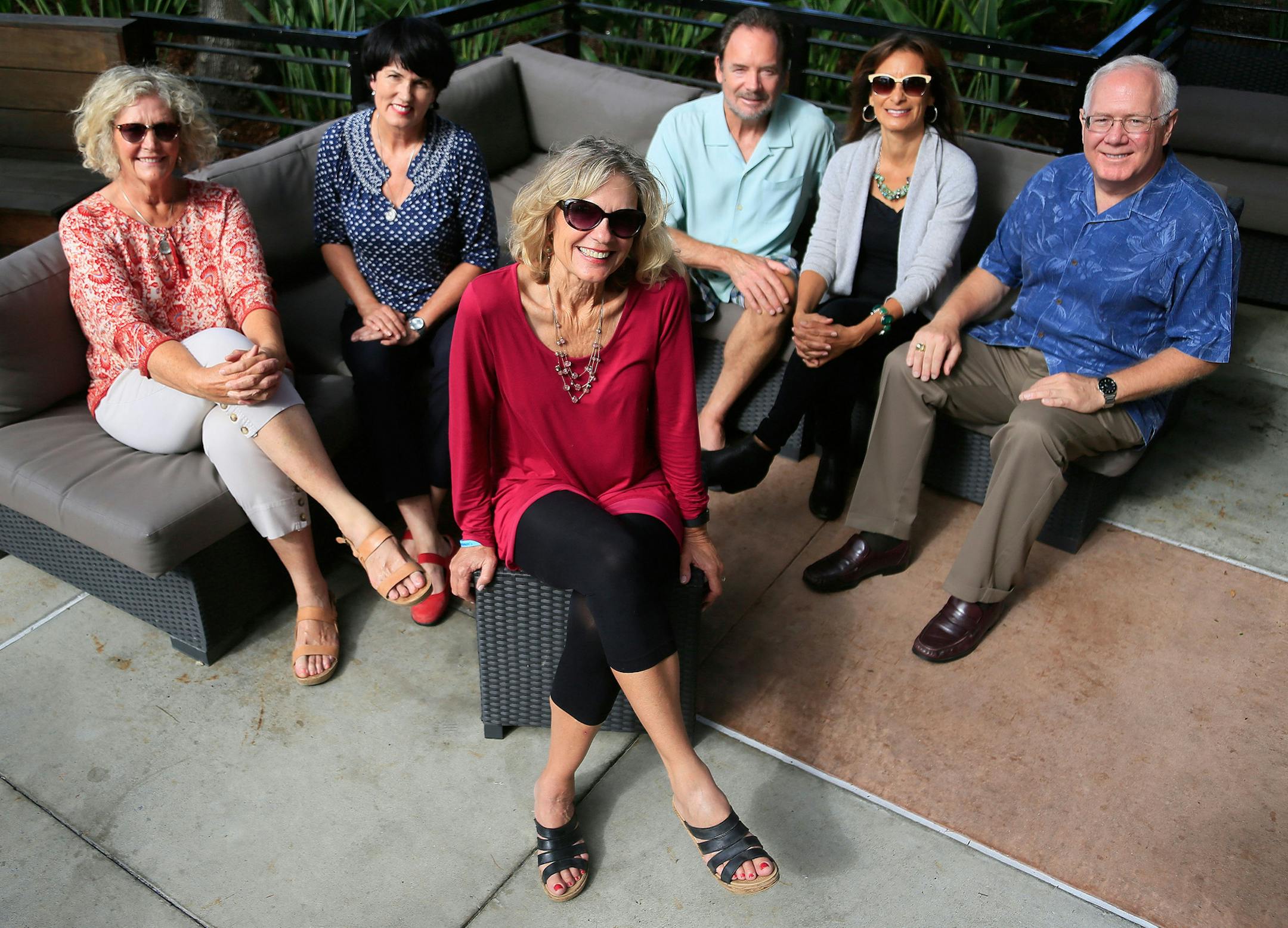
Sherrie Gould, center, the executive director of Summit for Stem Cell foundation, with hikers who will be climbing to Peru's Machu Picchu in October to raise money for stem cell research into Parkinson's disease. The climbers and fundraisers are, from left, Carolynne Arens, Parkinson's patient Elena Andrews, Parkinson's patient Doug Burcombe and his wife Margie Burcombe and Parkinson's patient Ron Phillips. (Misael Virgen/San Diego Union-Tribune/TNS) ORG XMIT: 1189905
Sherrie Gould, center, the executive director of Summit for Stem Cell foundation, with climbers and fundraisers, from left, Carolynne Arens, Parkinson’s patient Elena Andrews, Parkinson’s patient Doug Burcombe and his wife, Margie Burcombe, and Parkinson’s patient Ron Phillips. (The Minnesota Star Tribune)

Climbing to the remote Peruvian citadel of Machu Picchu would be a challenge for most hiking groups, but when a third of them have Parkinson's disease, it's an even more impressive feat.

In mid-October, 30 people from all over the country — nine with Parkinson's — will spend five days trekking to the ruins of the 15th-century Incan city in the Andes Mountains. The group is climbing to raise money and awareness for promising stem cell research that might one day dramatically reduce the symptoms of the progressive neurological disease.

Among the climbers are Elena Andrews, 58, Ron Phillips, 57, and Doug Burcomb, 63. All have been diagnosed with Parkinson's in the past five years. They say training for the climb with weekly group hikes has reduced their symptoms and they're excited to help with the cutting-edge stem cell research underway at Scripps Research Institute in La Jolla, Calif.

"It's inspiring," said Burcomb, who will be climbing with his wife of 30 years, Margie. "As I'm preparing for this it seems like I'm getting younger, not older."

The Machu Picchu ascent is the third mountain climb since 2011 organized by Sherrie Gould, volunteer executive director of the nonprofit Summit for Stem Cell. A nurse practitioner at Scripps Clinic's Movement Disorder Center, Gould works closely with Parkinson's patients. In 2010, she was asked by Scripps neurologist Dr. Melissa Houser to come up with a creative way to get patients more involved in stem cell research.

Gould talked to Scripps Research Institute director Dr. Jeanne Loring, who said that Parkinson's is one of the diseases most likely to respond to stem cell treatment. If Gould could come up with six Parkinson's patients and $300,000 for research, Loring said, the institute could jump-start its work on the disease.

"The weirdest thing is it never crossed my mind that I couldn't raise the money. It just seemed like the right thing to do," Gould said.

But first she needed a signature event. She chose her own bucket-list dream of climbing Tanzania's 19,341-foot Mount Kilimanjaro. On Sept. 17, 2011, she and 15 other people (three with Parkinson's) topped Africa's tallest peak, and in the process raised $350,000 in donations.
"The analogy we used was 'if we can summit the highest ceiling point in all of Africa, then we can raise the money and make this research happen,' " Gould said.

The quest funded only the first phase of the project, so in 2012 Gould went looking for another mountain to climb. For inspiration, she asked Carolynne Arens, whose husband, Brad, 62, wasdiagnosed with Parkinson's 14 years ago. They were among the first to sign up for Kilimanjaro.

At Carolynne's suggestion, Gould organized the next Summit for Stem Cell climb to the Khumbu Valley base camp of Mount Everest in Nepal, at 17,300 feet. The arduous, two-week trek was longer, harder and more expensive to organize, but nine people (three with Parkinson's) finished the climb in 2013.

As word of the foundation grew, donations began to pour in from around the country. To date, Summit for Stem Cell has raised nearly $5 million.

Patient Ron Phillips said the attraction of Machu Picchu was a big draw for him to sign up to climb this fall. Phillips, who was an avid biker and climber before he became ill, said he struggled for months with troubling symptoms, like a right hand tremor, before he was finally diagnosed four years ago.

"It was good to finally know what it was, but on the other hand, it's something nobody wants to have," he said.

The five-day Machu Picchu climb, on the Salkantay portion of the Inca Trail, is less strenuous than the previous two Summit climbs. The 28-mile hike includes crossing over a 15,000-foot peak on the second day of the journey.

Gould said reaching the famed city of Machu Picchu will be an achievement, but it's the training — which began with weekly group hikes in April — that's the real healer. Hikes that took the patients six hours last spring are now being finished in four, and symptoms are waning.

"As a clinician, it's almost miraculous to watch people with Parkinson's disease get better," Gould said. "It's hugely inspiring to see them growing stronger every day."

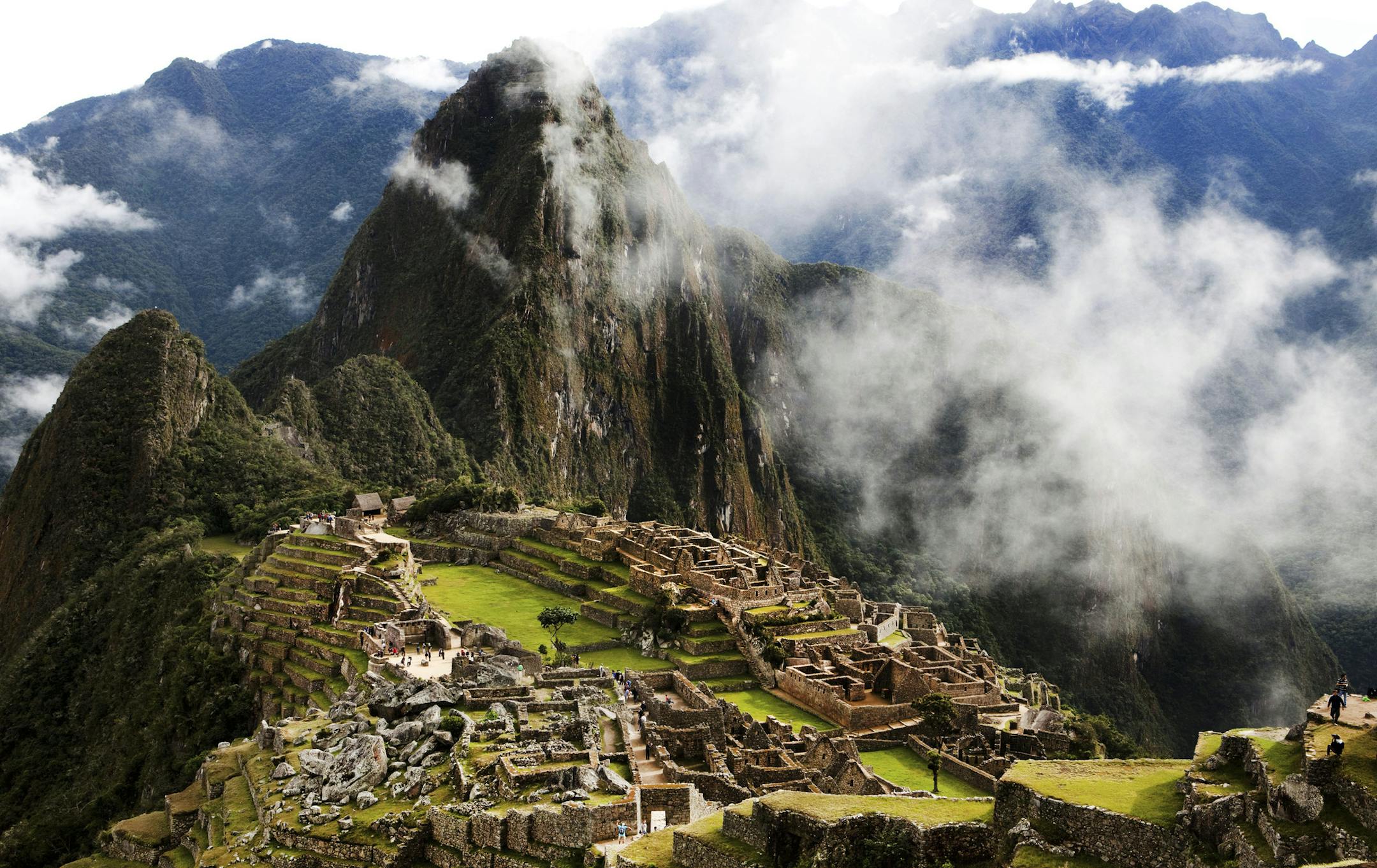
The Incan citadel of Machu Picchu in Peru, May 25, 2011. The Inca city, first seen by Hiram Bingham III, a Yale history lecturer, 100 years ago, is believed to have been built in the 15th century and consists of imposing stone buildings arranged around a central plaza. (Piotr Redlinski/The New York Times)
The Peruvian citadel of Machu Picchu is the climbing goal for a group that includes nine people with Parkinson’s disease. (The Minnesota Star Tribune)
about the writer

about the writer

Pam Kragen, San Diego Union-Tribune

More from No Section

See More
FILE -- A rent deposit slot at an apartment complex in Tucker, Ga., on July 21, 2020. As an eviction crisis has seemed increasingly likely this summer, everyone in the housing market has made the same plea to Washington: Send money — lots of it — that would keep renters in their homes and landlords afloat. (Melissa Golden/The New York Times) ORG XMIT: XNYT58
Melissa Golden/The New York Times

It’s too soon to tell how much the immigration crackdown is to blame.