

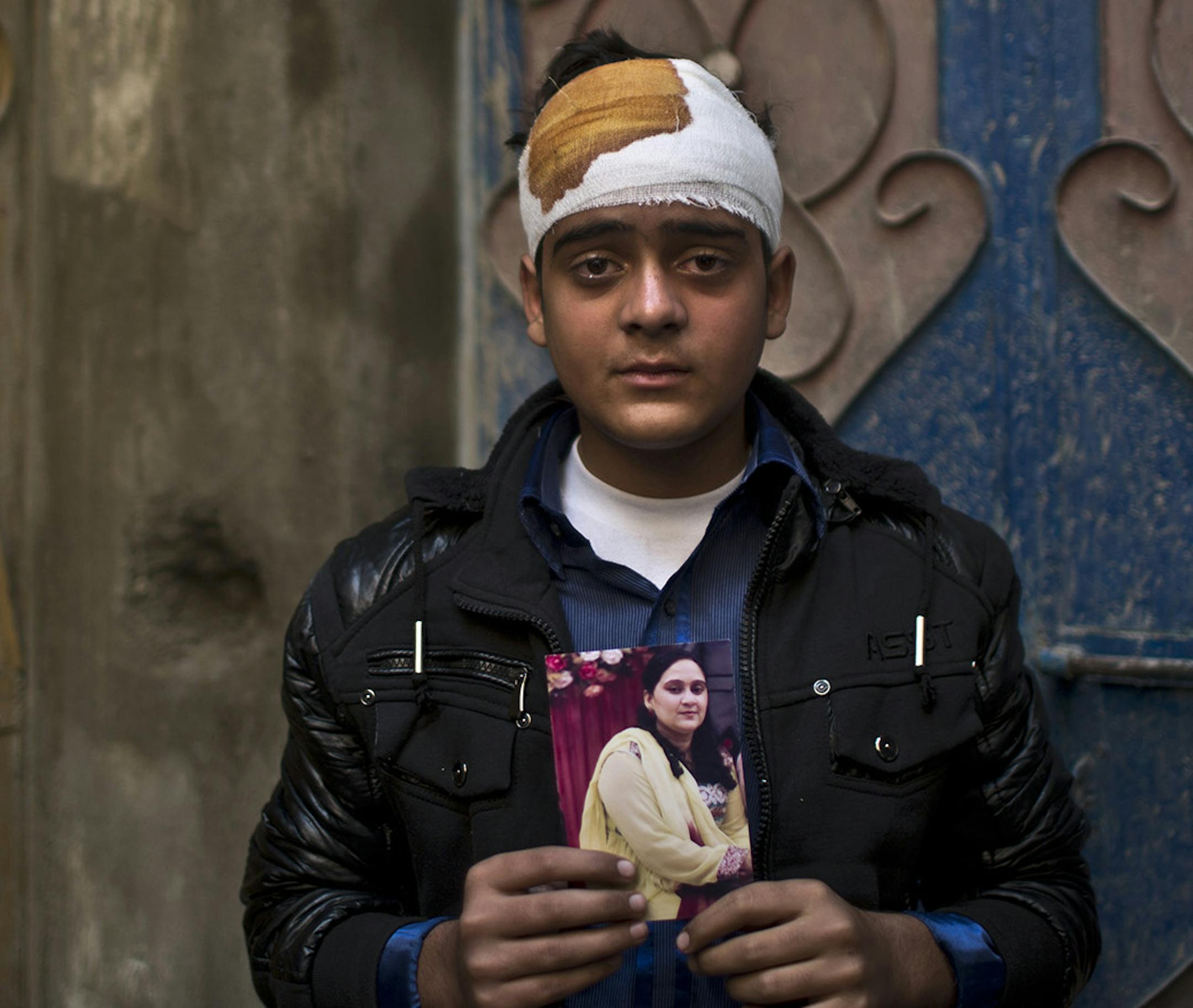
Pakistanis, and sympathizers the world over, are mourning the Taliban's horrific massacre of at least 132 schoolchildren and 13 staff in a crowded school in Peshawar.
On the surface, this obscene assault — in which the Pakistani Taliban hunted down children cowering under desks and burned a teacher to death — seems to have stiffened the backbones of Pakistan's politicians, who have long waffled about confronting the country's radical Islamists.
After the attack, Prime Minister Nawaz Sharif swore to eradicate terrorism from the country. That would be great news not only for Pakistanis, but for the world: It would end the nightmare threat that terrorists might seize some of the country's arsenal of nuclear weapons, a threat that makes Pakistan the world's most dangerous country.
Let us hope, in the wake of this horror, that Sharif finally means it. Yet there are plenty of reasons to doubt that Pakistan's leaders will confront the jihadi cancer that is destroying their state.
After all, the Pakistani Taliban's war on children has been going on for decades, virtually unchallenged. The International Crisis Group estimates that militants attacked about a thousand schools between 2009 and 2012. In late 2009, the Taliban threw a bomb into a cafeteria for female students at the leading International Islamic University in Islamabad, killing six, yet leaders of Pakistan's religious political parties refused to condemn the group's action.
In October 2012, the Pakistani Taliban shot 14-year-old Malala Yousafzai in the head for publicly promoting girls' education. The government expressed outrage then, too.
Yet, despite her 2014 Nobel Prize — which she received only days before the Peshawar massacre — Malala is not honored in her own country; she can't go home because of the danger of assassination. Instead of heeding her plea for more girls' schools — in a country where female illiteracy is shockingly high — many prominent Pakistanis denounce her as a "tool" of the West.
Meantime, Pakistan's education system is a disaster, leaving one-fifth of children without schooling, while the curriculum extols jihad and religious intolerance. Thousands of madrassas (religious schools) actually train children to join the Taliban, yet politicians have backed off efforts to reform the madrassa curriculum because of strong clerical opposition.


