POP/ROCK
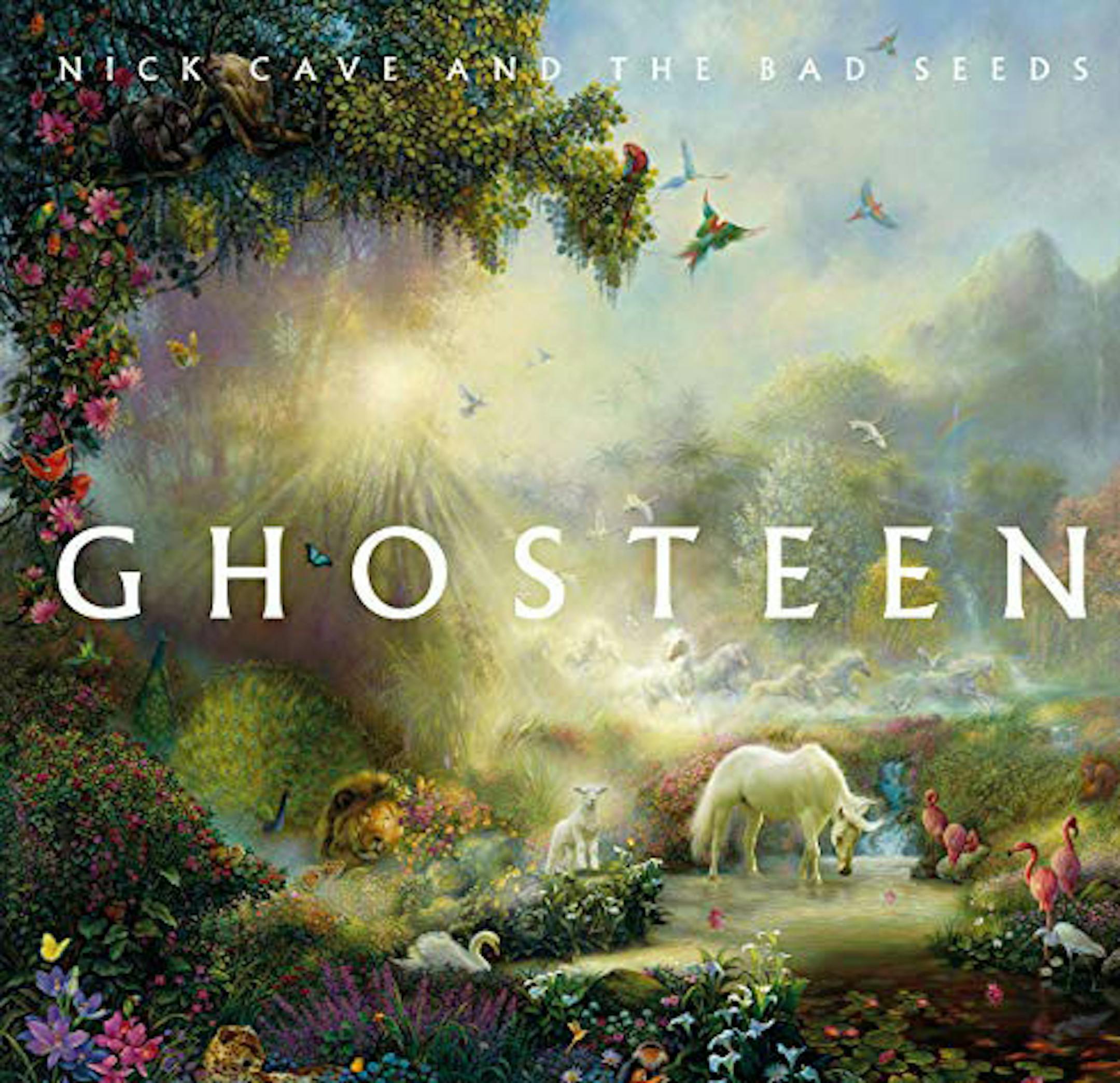
Nick Cave & the Bad Seeds, "Ghosteen" (Bad Seed)
"I'm transforming, I'm vibrating, I'm glowing, I'm flying, look at me now," Cave sang six years ago on the pivotal "Jubilee Street." The six-minute track planted the seeds of the fully realized 68-minute song cycle that is "Ghosteen."
Since the feral fury and dark humor of the Grinderman era (circa 2007-10), Cave has done a little transforming himself. With "Push the Sky Away" (2013), Cave started recording music that somehow felt different, more open, consoling. The death of his 15-year-old son Arthur shadowed the release of "Skeleton Tree" (2016), and "Ghosteen" bears the full weight of that loss.
"Ghosteen" is a hushed, intimate work. There's an industrial rattle at the outset of "Waiting for You" and barely-there percussion on "Leviathan," a rumbling bass in "Hollywood," but otherwise the arrangements are focused on floating keyboards and electronic textures. The album tells a two-part tale — an eight-song batch of "children" and a three-track set of "parents," a before-and-after cycle of grief, mourning, acceptance and redemption.
At a distance, the album can feel like an ambient mood piece with some pretty moments rising from the mist. Listen closely, however, and something changes. The album becomes a meditation on pain and wonder, an apparent duality that Cave's narrator turns into an acceptance of what it means to live.
In losing love, Cave also rekindles it in songs such as "Waiting for You," "Night Raid" and the epic "Leviathan," all ostensibly directed at his grieving wife. In the end, his quiet compassion speaks loudest of all. He universalizes that impulse in the staggering "Sun Forest" and the shimmering "Ghosteen Speaks," an echo of "Jubilee Street": "I am beside you. Look for me."
Greg Kot, Chicago Tribune
country
Vince Gill, "Okie" (MCA Nashville)