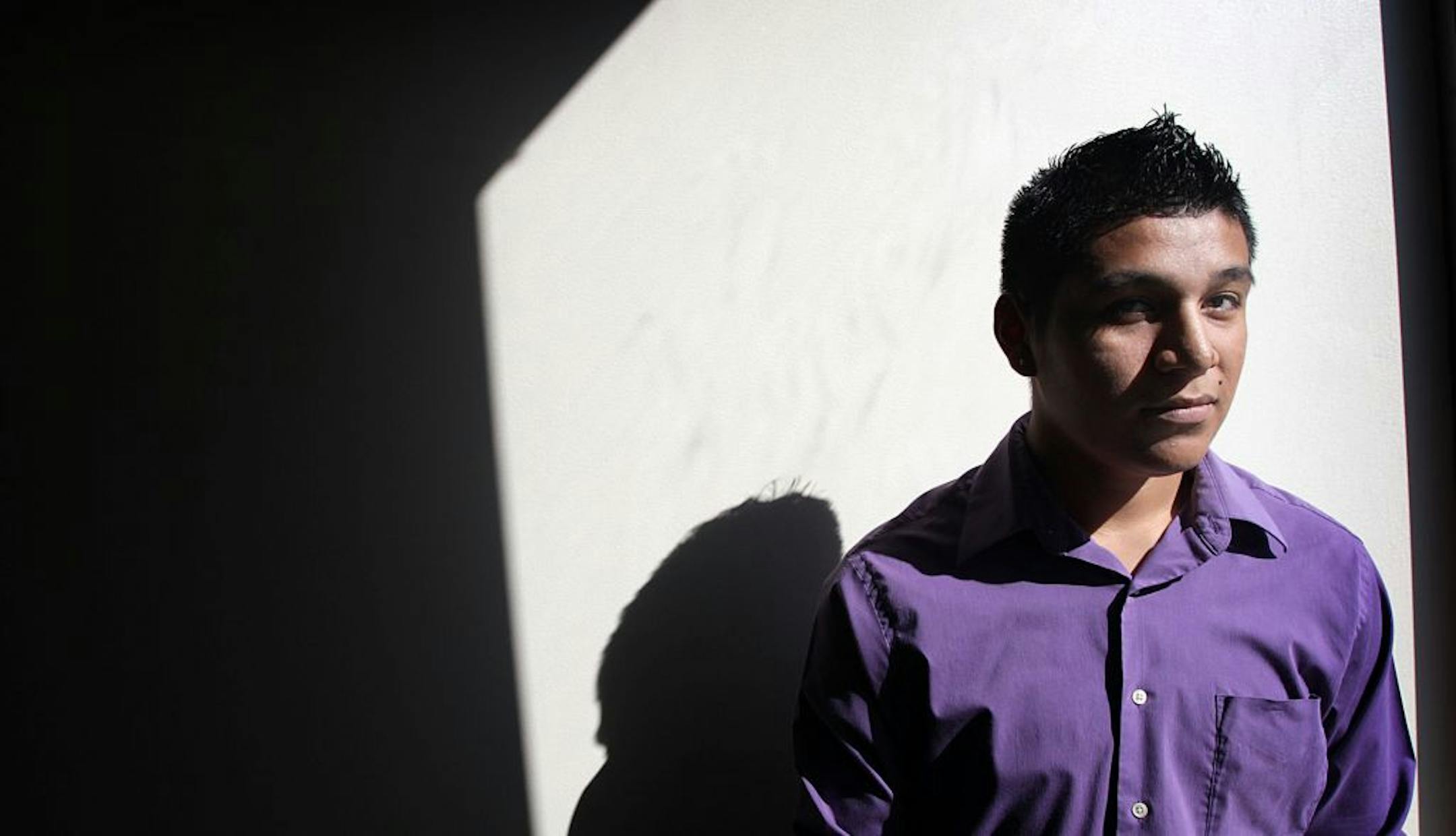
A child who crossed the U.S.-Mexico border before he knew the meaning of "illegal" is now a recent Minnesota high school graduate who will face an immigration judge on Tuesday to discuss his possible deportation.
But Abimael's chances of being deported, along with that of thousands of other young immigrants in Minnesota brought illegally into the United States by relatives when they were children, may lessen in the wake of a new government directive on deportation cases.
The U.S. Department of Homeland Security announced last week that it will review all 300,000 pending deportation cases in federal immigration courts, a decision hailed by immigrant advocates and lambasted by many congressional Republicans, who accuse the Obama administration of trying to circumvent Congress and clear the way for more illegal immigration. The priority will be on removing from the country illegal immigrants who have committed serious crimes, meaning deportation proceedings for other cases will likely be suspended. The same priority on prosecuting criminals will be used when deciding whether to open new deportation cases.
In Minnesota, immigrants with pending deportation cases and their advocates greeted the new policy with measured enthusiasm.
"Potentially, it's a huge game-changer," said Kim Hunter, an attorney who represents Abimael and several other young immigrants facing deportation. "The reaction among members in the immigration bar is guarded optimism. Ultimately, the policy is only as good as its implementation."
Added Dick Zonneveld, another immigration attorney and chairman of the American Immigration Lawyers Association's local chapter: "It's kind of a work in progress. It's not that all of a sudden all of our clients are having our cases terminated and [will] go off and live happily ever after."
Homeland Security Secretary Janet Napolitano said the department will focus on deporting illegal immigrants who are criminals or pose a threat to national security or public safety. That means immigrants here illegally who have not committed crimes are at less risk of deportation, at least in theory. They'll also be allowed to apply for a work permit.
In announcing the policy, Napolitano said that it will allow more efficient use of resources. "Doing otherwise hinders our public safety mission -- clogging immigration court dockets and diverting DHS enforcement resources away from individuals who pose a threat to public safety," she said. Immigrant advocates and even some states had complained that previous policies were misguided, unfair and too expensive.