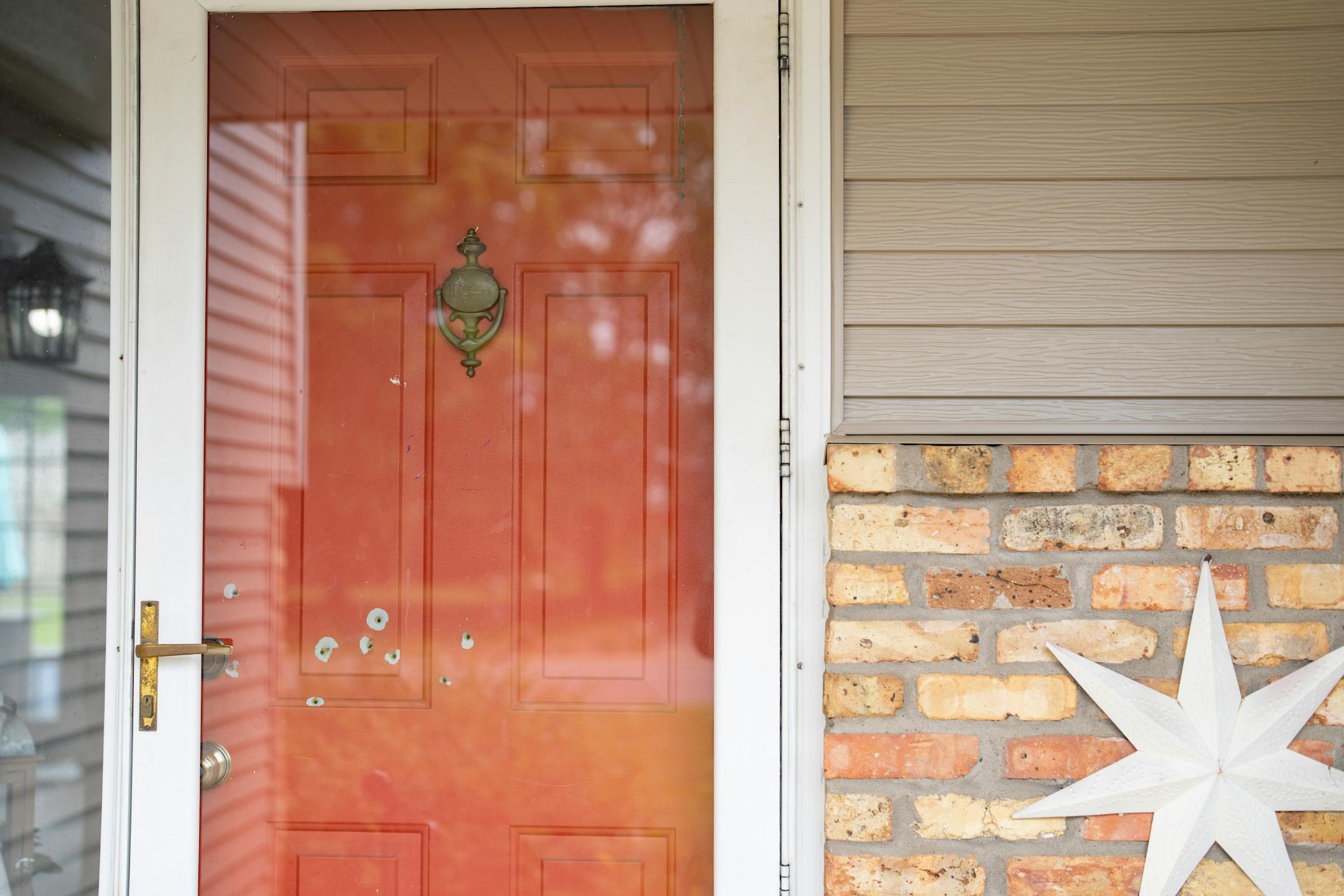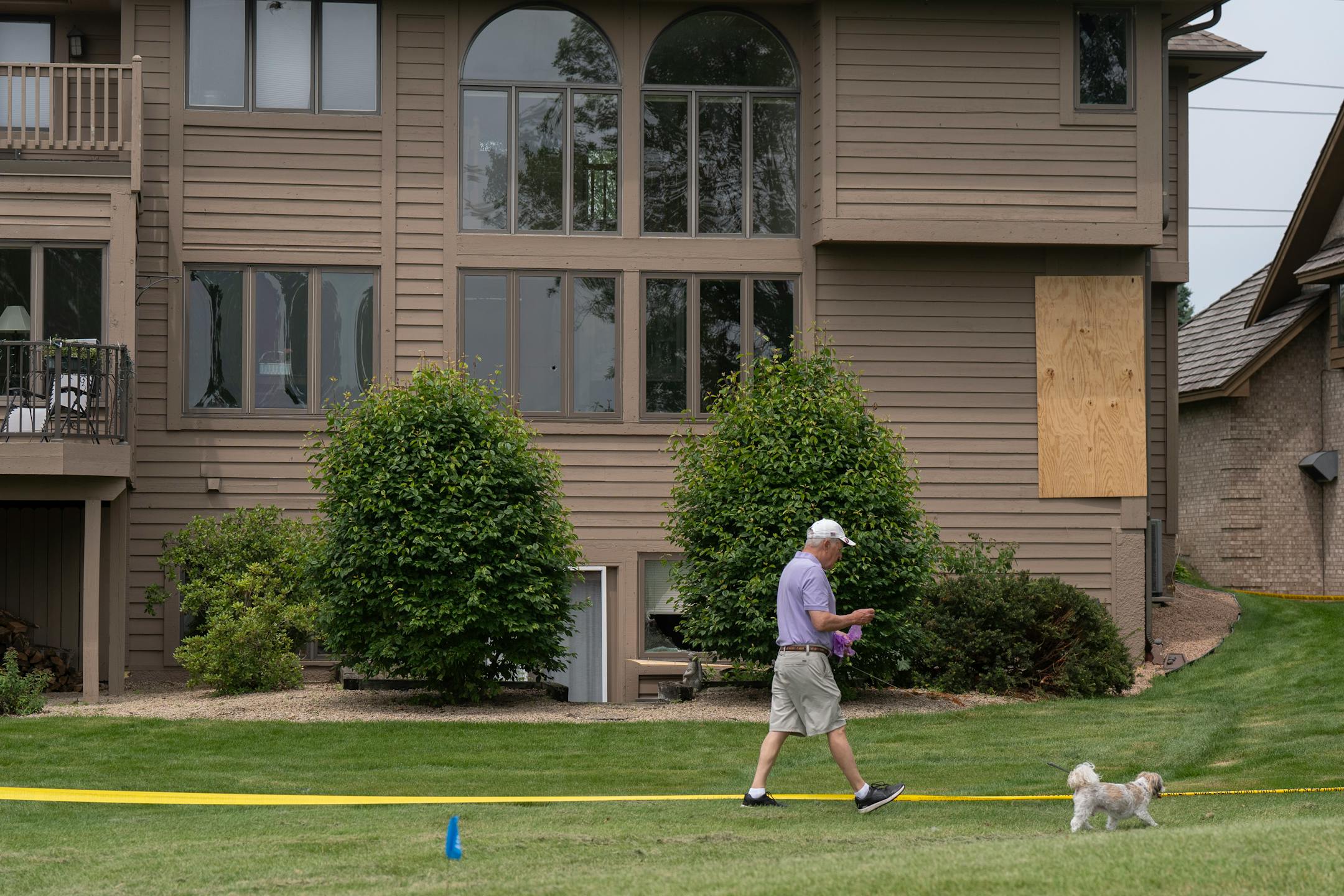
From the first 911 call, moments after Minnesota state Sen. John Hoffman and his wife, Yvette, were shot at their home in the early morning of June 14, police knew a masked gunman was impersonating an officer, had targeted a politician and was on the move.
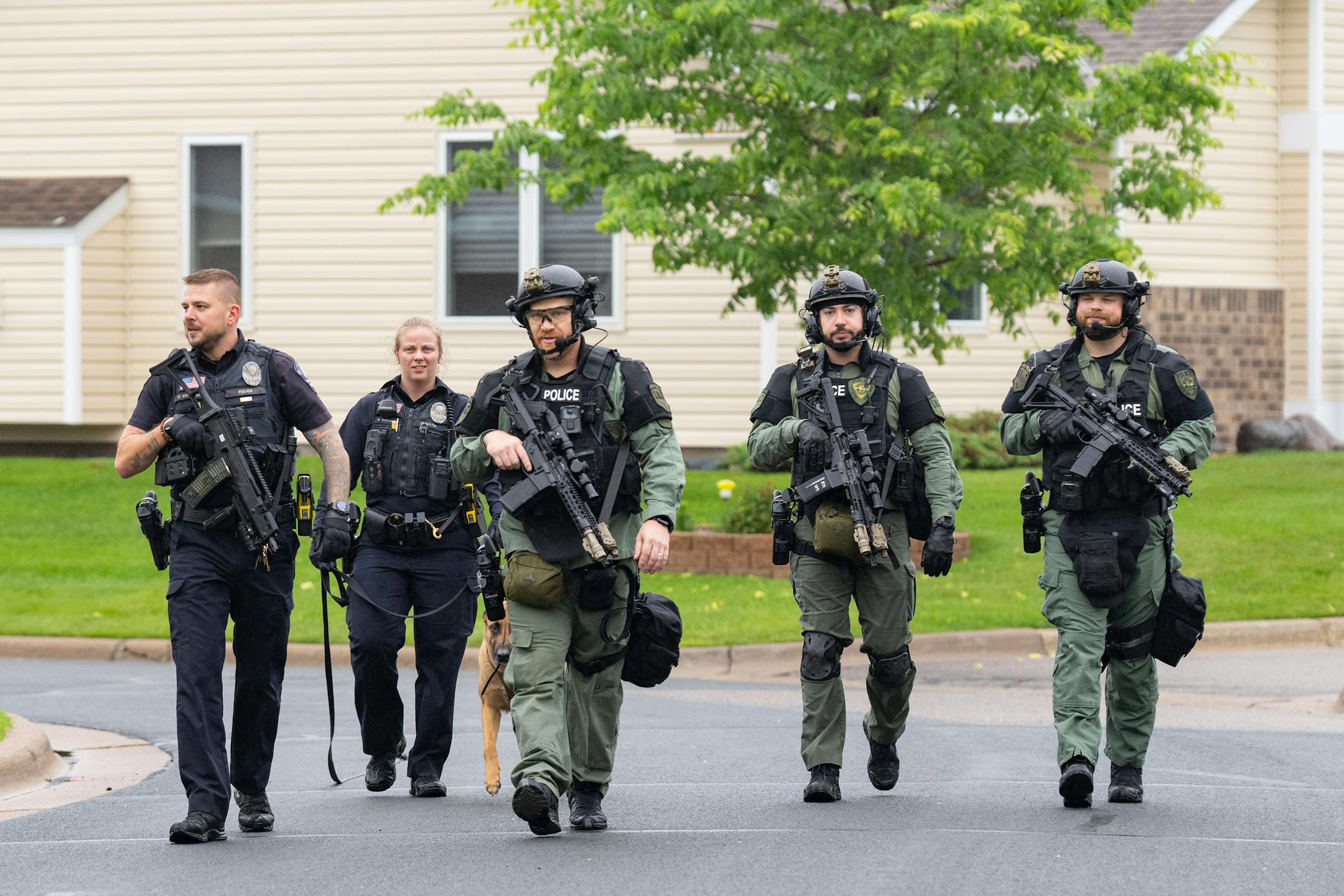
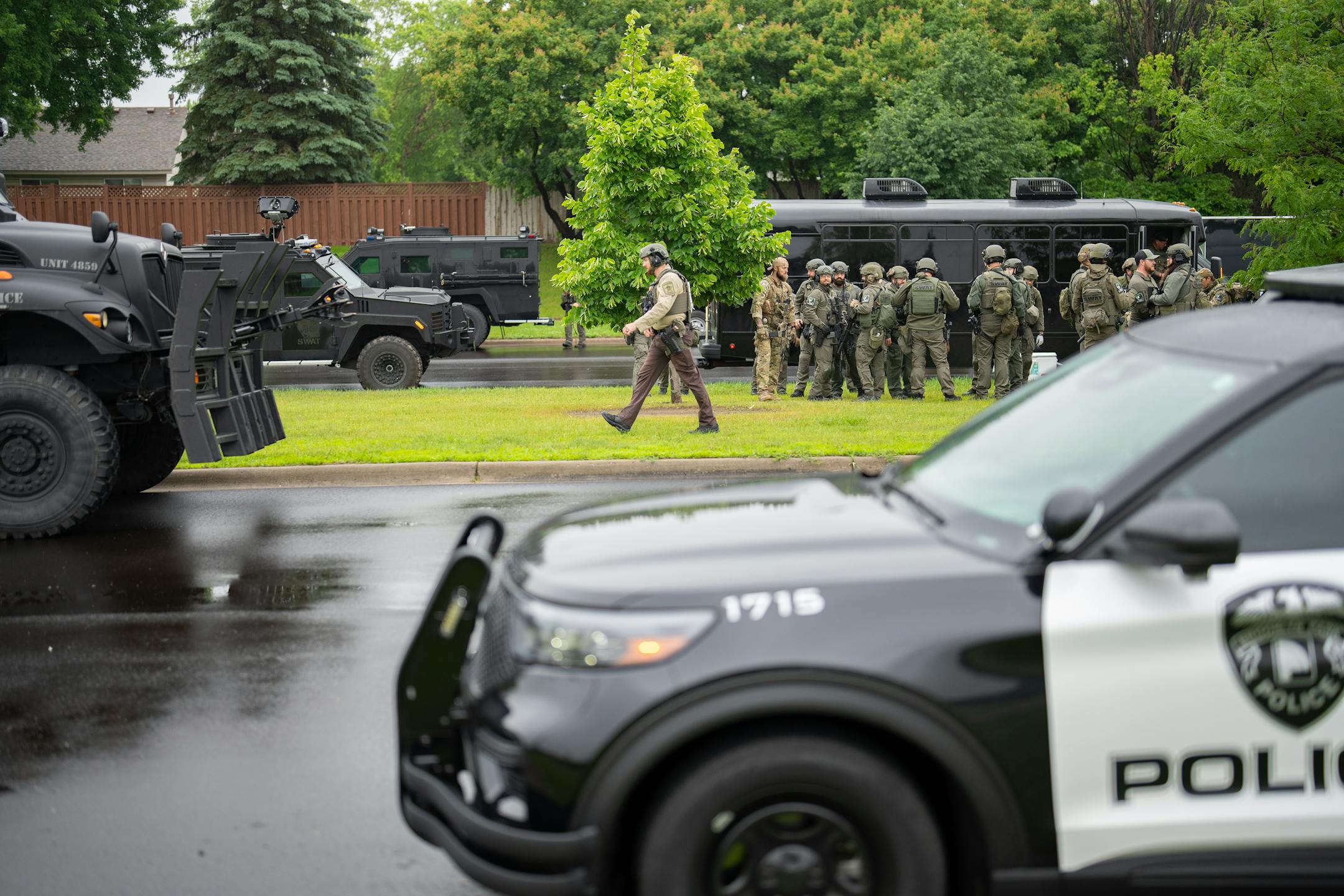
Yet it would take 10 hours for law enforcement to systematically alert lawmakers to the exact nature of the danger they faced. Communication across a patchwork of agencies was also spotty, leaving some officials unaware of the threat for hours and raising questions about whether the suspect, Vance Boelter, could have been caught earlier.
In at least one instance, police didn’t follow their own procedures when they responded to attacks on the homes of lawmakers. The shootings killed Rep. Melissa Hortman and her husband, Mark, and wounded the Hoffmans.
A Minnesota Star Tribune investigation has found new details about the law enforcement response to the shootings, including:
- The initial 911 call, made at 2:05 a.m. by the Hoffmans’ daughter, Hope, included the fact that the suspect was disguised as a police officer and wearing a mask.
- In an apparent deviation from department policy, Brooklyn Park police waited more than an hour to enter the home of Melissa Hortman after watching Mark Hortman get shot in the doorway.
- New Hope police didn’t immediately communicate an officer’s interaction with Boelter, which occurred after the Hoffmans were shot but before the Hortmans were killed.
- Some police officers and legislators weren’t made fully aware of the threat for several hours.
“There wasn’t a playbook for this, and I think that was clear,” said DFL Sen. Erin Maye Quade.
Boelter is now facing state and federal murder charges, state attempted murder charges, and federal charges of stalking and use of a firearm.
State Public Safety Commissioner Bob Jacobson said that “law enforcement did an admirable job of trying to respond and make sure they were doing their very best in this case.”
Still, Jacobson said public safety leaders ordered a review of their conduct that morning, and Minnesota’s Office of the Legislative Auditor said it would consider launching its own investigation into how communication was shared.