

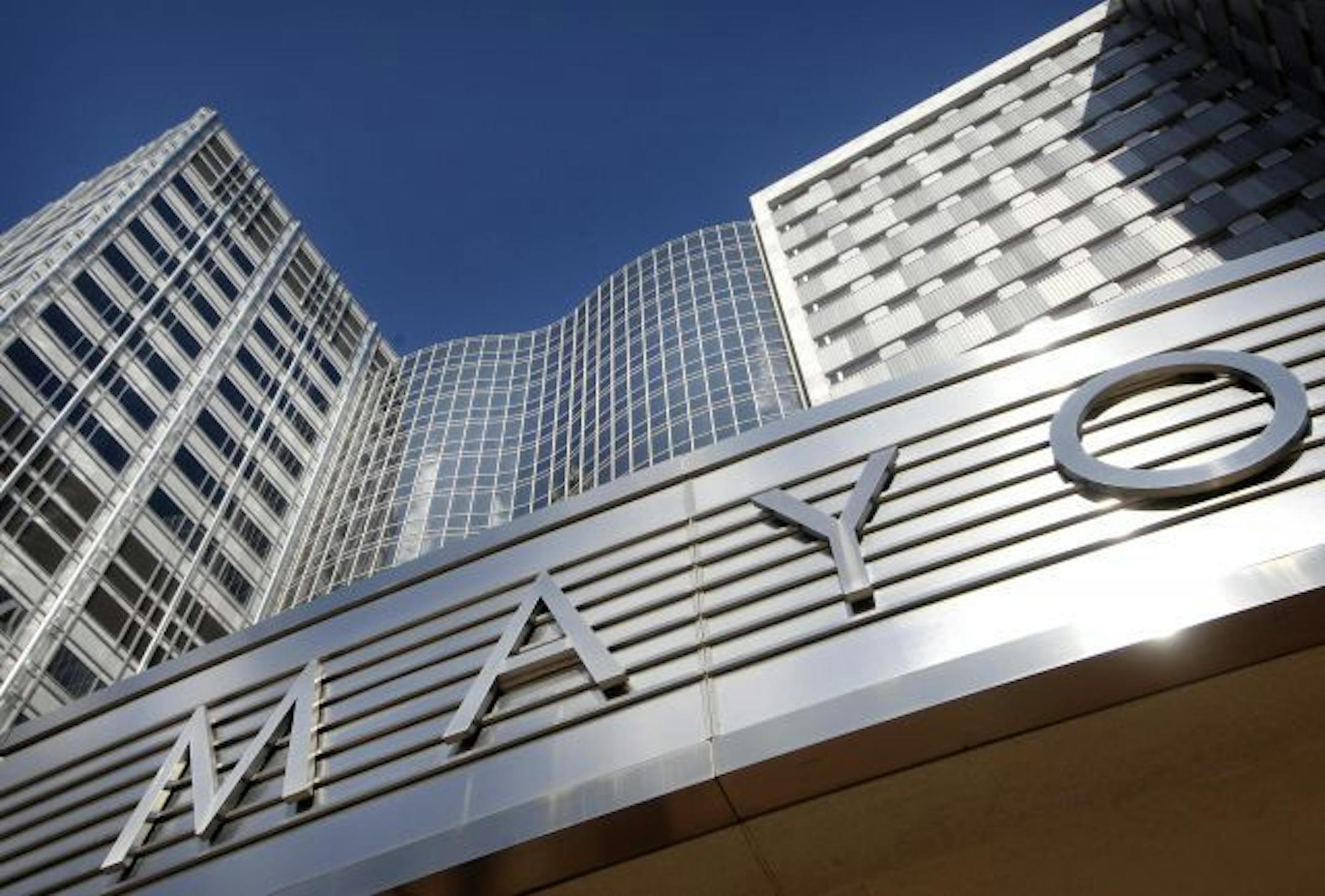
While much remains to be decided by the 2013 Legislature, lawmakers appear close to an accord on one of the biggest items on their agenda.
The Legislature seems to have found a way to say yes to Mayo Clinic's call for help in building what it calls a Destination Medical Center in Rochester.
Similarly structured provisions to help Rochester pay for the public infrastructure demands of a major Mayo expansion have landed in the House and Senate tax bills. The House bill won floor approval last week; the Senate bill is expected on the floor today. Barring an unforeseen hiccup, Gov. Mark Dayton and a tax conference committee should be able to reach an accord with Mayo and its local government partners before the Legislature adjourns on or before May 20.
Though the work isn't done, it's not too soon to applaud the team of legislators and staffers in both the executive and legislative branches, as well as officials from Rochester, Olmsted County and the clinic itself, who have brought Mayo's proposal this far. The two Taxes Committee chairs, Sen. Rod Skoe and Rep. Ann Lenczewski, deserve particular credit. Instead of simply rejecting a less-than-optimal original bid from Mayo, they and their staffs worked long hours to develop a response more consistent with typical public-works financing in this state.
In their efforts to give a green light to a $6 billion, 35,000-job expansion of world-class medical facilities and the services that support their patients, lawmakers will have done more than strengthen the bond between Minnesota and its largest private employer. They also will have demonstrated that, contrary to critics' repeated refrain, Minnesota is very much a probusiness state.
Mayo's original request was to skim off $525 million over 20 years from all state tax receipts generated in downtown Rochester after a threshold level of investment had been made by Mayo and private developers. It also sought to use $60 million from the city's recently renewed local option sales tax.
From that unprecedented approach, only the notion of a threshold private-investment trigger has survived. The two tax bills authorize a flow of state aid to commence when either $200 million (House bill) or $250 million (Senate bill) has been spent by Mayo on the project. The public aid package has these components:
• Up to $327 million in state "infrastructure aid," to be dispensed in yearly increments based on a percentage of Mayo's investment in the previous year, but not to exceed $30 million per year.


