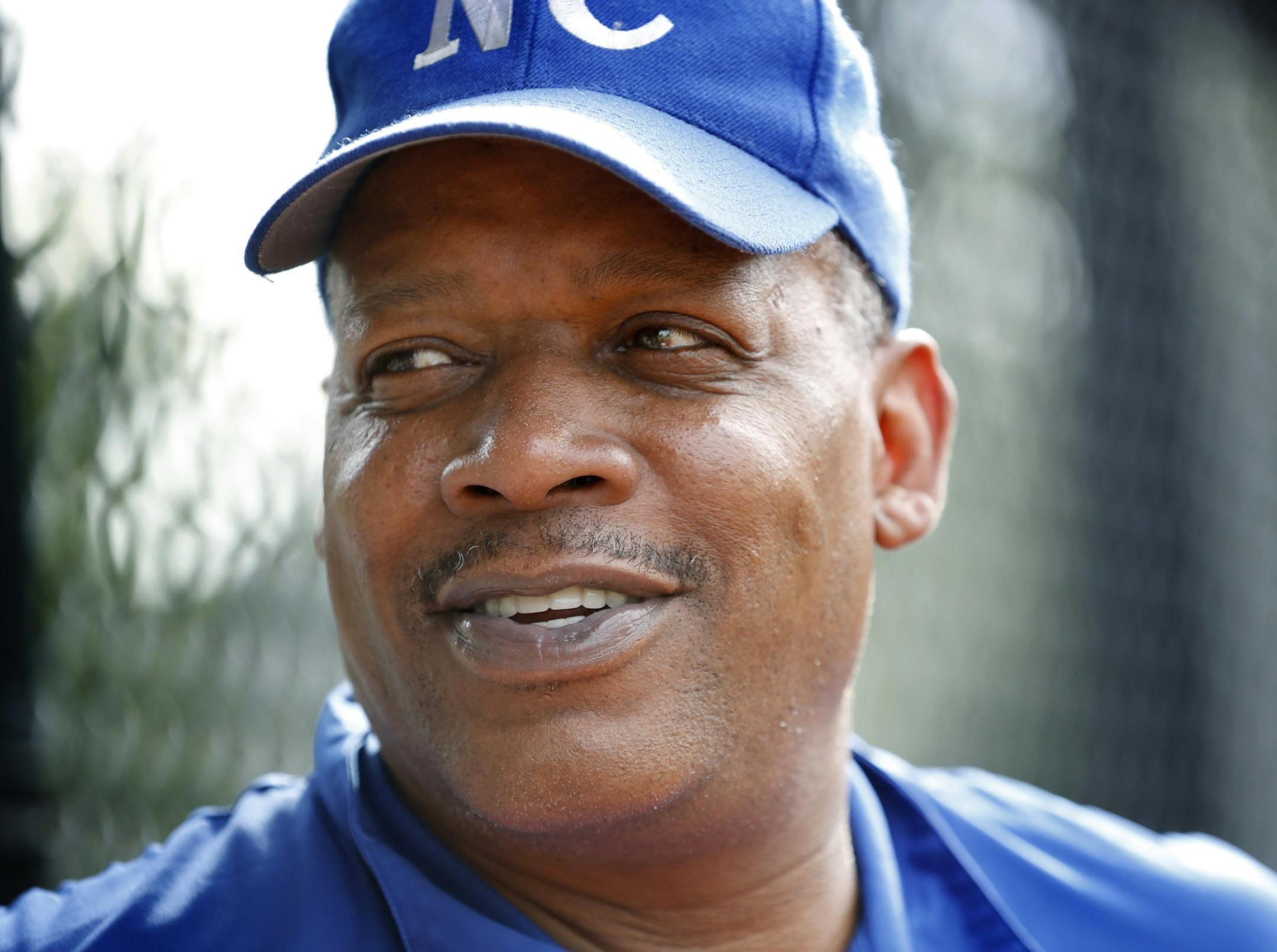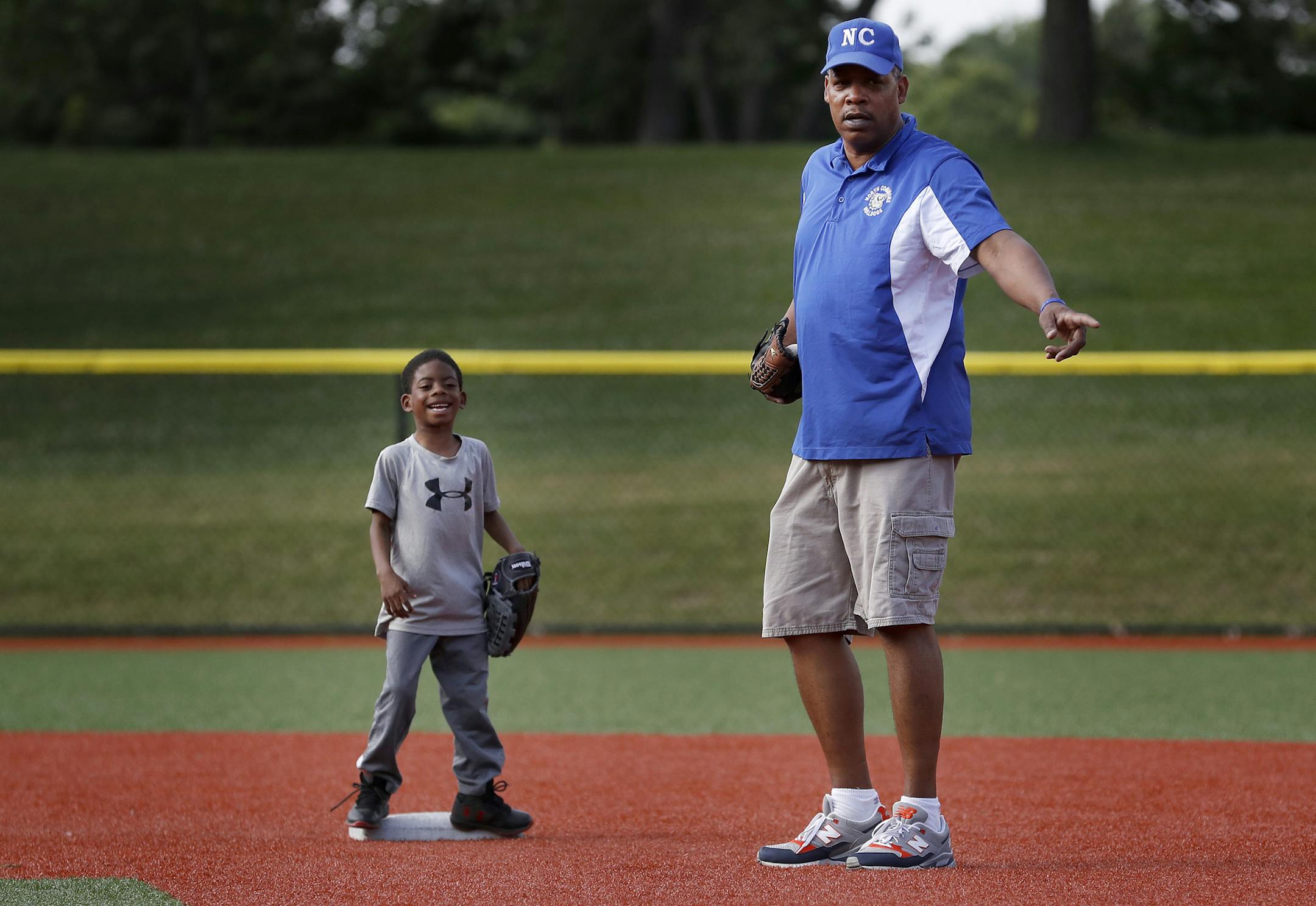
Coach Mike Tate is trying to stem the steep and pervasive decline in participation in youth baseball from the ground level.
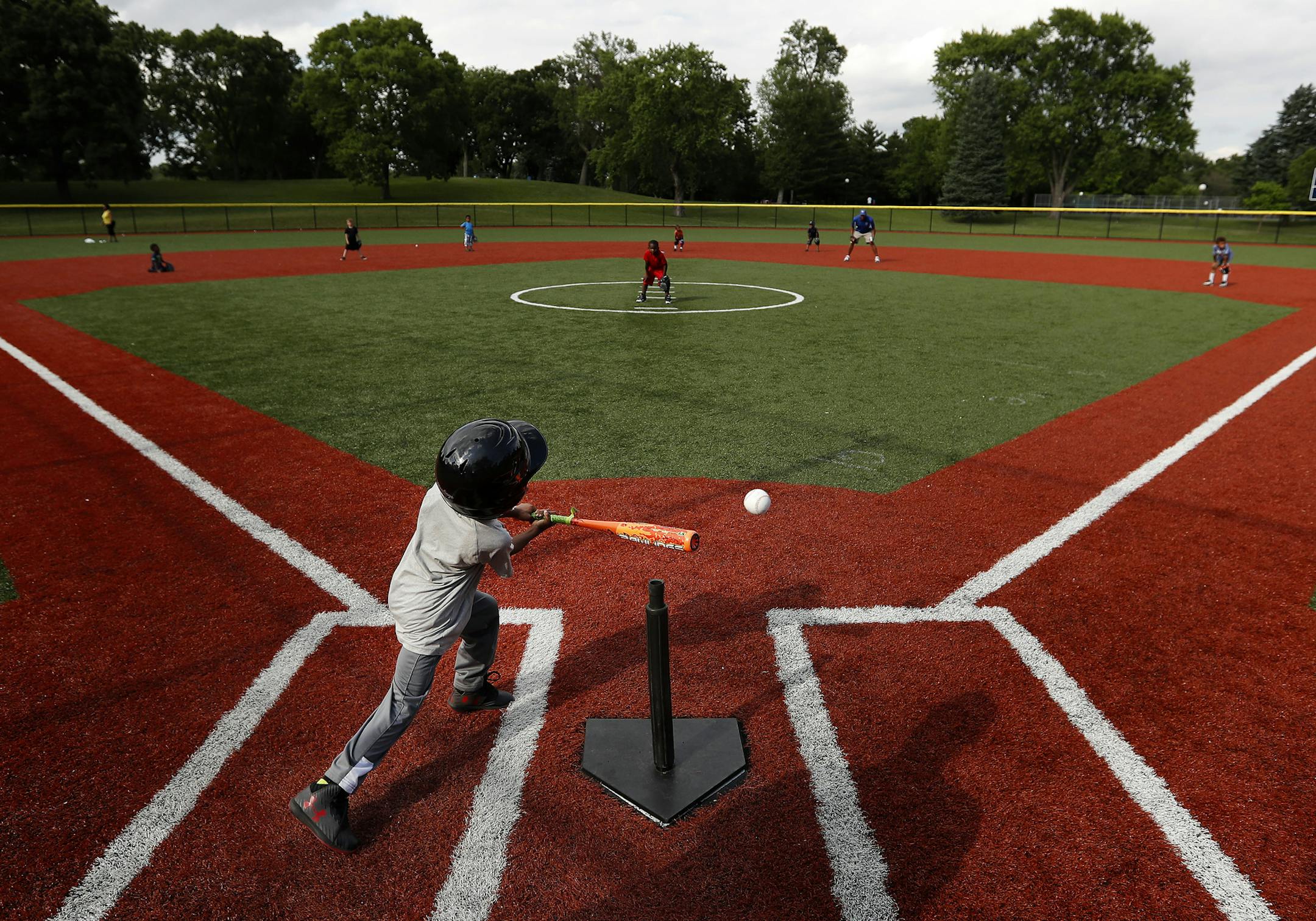
Many days, he's herding tiny T-ball players through practice at North Commons Park in Minneapolis. He chases down errant throws. He makes sure his 6-year-olds put the right gloves on the right hands. He leads them in chanting the names and order of the bases before running them.
His North Commons Bulldogs are a thriving team, bucking a trend of declining interest in park and recreation baseball programs in Minneapolis and St. Paul. The numbers continue to slip, despite efforts by the Minnesota Twins and Major League Baseball to prop up the cities' youth leagues with annual contributions of at least $150,000.
In the 1990s, when the donations began, as many as 180 teams of players age 9 and older registered in Minneapolis. There were 79 such teams last year. In St. Paul, 89 teams registered last year for the same age group, compared with 180 as recently as 2007.
Former Twins greats Dave Winfield and Kirby Puckett prompted their team to get involved, hoping to lure kids back to the sport. "They had seen that there just wasn't a lot of kids on the field anymore. They came to the club and said, 'Hey, what can we do?' " said Bryan Donaldson, executive director of the Twins Community Fund, which was funded partly from the sale of Homer Hankies during the team's World Series years.
Disparities by neighborhood
The disparities across the cities can be stark. Some parks in higher-income areas of the South Side field three teams per age bracket while participating North Side parks manage one.
In 2013, the North Side had only four T-ball and coach-pitch teams — the levels where youths learn the basics before graduating to more formal leagues. But an extra dose of funding from the Twins and intensifying recruiting nearly tripled that turnout the following year, and it doubled again last year.
The city's East Side now has been added to that effort, and youth sports coordinator Kent Brevik is hoping to expand that soon to the city's southeastern quadrant.