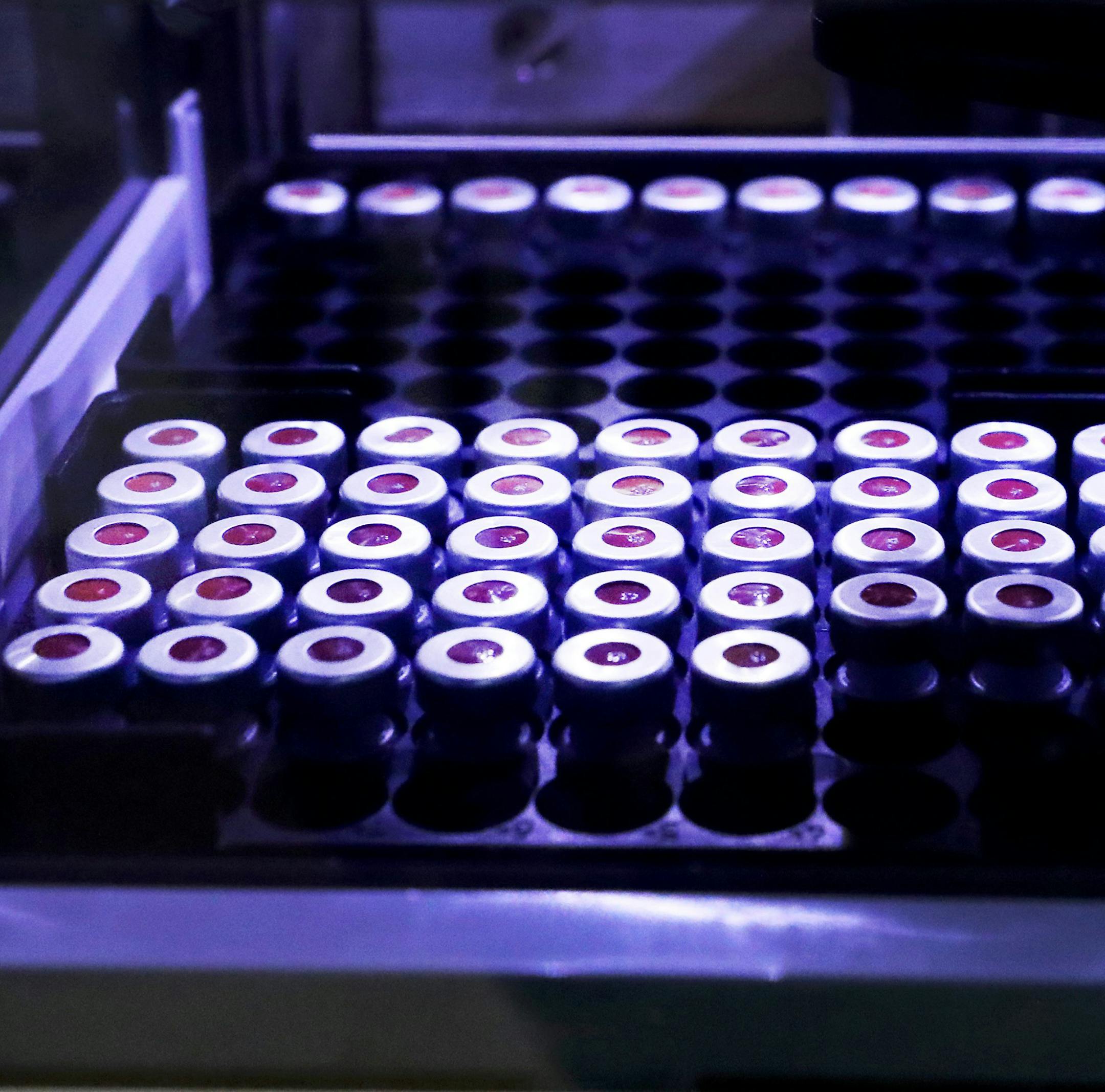
SEATTLE – Behind the locked doors of a third-floor office in South Seattle, countertop instruments filled with dozens of tiny vials feed data to nearby monitors while performing scores of tests each day in pursuit of justice.
The Washington State Patrol Toxicology Laboratory's sensitive drug-testing equipment analyzes blood samples taken from people across the state and others. The tests, which detect the slightest traces of chemical compounds, can help make or break an impaired-driving case, show if a rape victim was drugged or determine whether substances played a role in someone's death.
But in recent years, an unseen intruder has cast a lingering cloud over the seemingly orderly operations at Washington's only forensic toxicology laboratory: methamphetamine contamination.
Traces of the drug — linked to makeshift meth labs that scientists set up for training years earlier — have randomly emerged during drug testing since at least 2018, including in two new cases this year. Lab officials acknowledge catching some cases — fewer than a dozen — with false positive results, but officials deny the tox lab's integrity has been tarnished.
"At no time was any actual blood evidence compromised and we had never provided reports to customers that were compromised," State Patrol spokesman Chris Loftis said.
Some defense attorneys and a prominent laboratory quality-control expert dispute the tox lab's official line. They say the contamination may have tainted evidence in thousands of cases, including some in which defendants already have been convicted, and that lab administrators have downplayed the problem after keeping it private for more than a year.
"It puts every single sample that's been processed by this laboratory at risk," Janine Arvizu, a nationally recognized chemist and certified laboratory-quality auditor, told defense lawyers during a recent seminar.
Since March, public defenders who've uncovered internal documents about the tox lab's contamination have helped at least three defendants with meth detected in their blood — all of whom deny using the drug — beat DWI charges. A judge in one case ruled the tox lab's testing in a contaminated area amounted to "gross governmental mismanagement."