

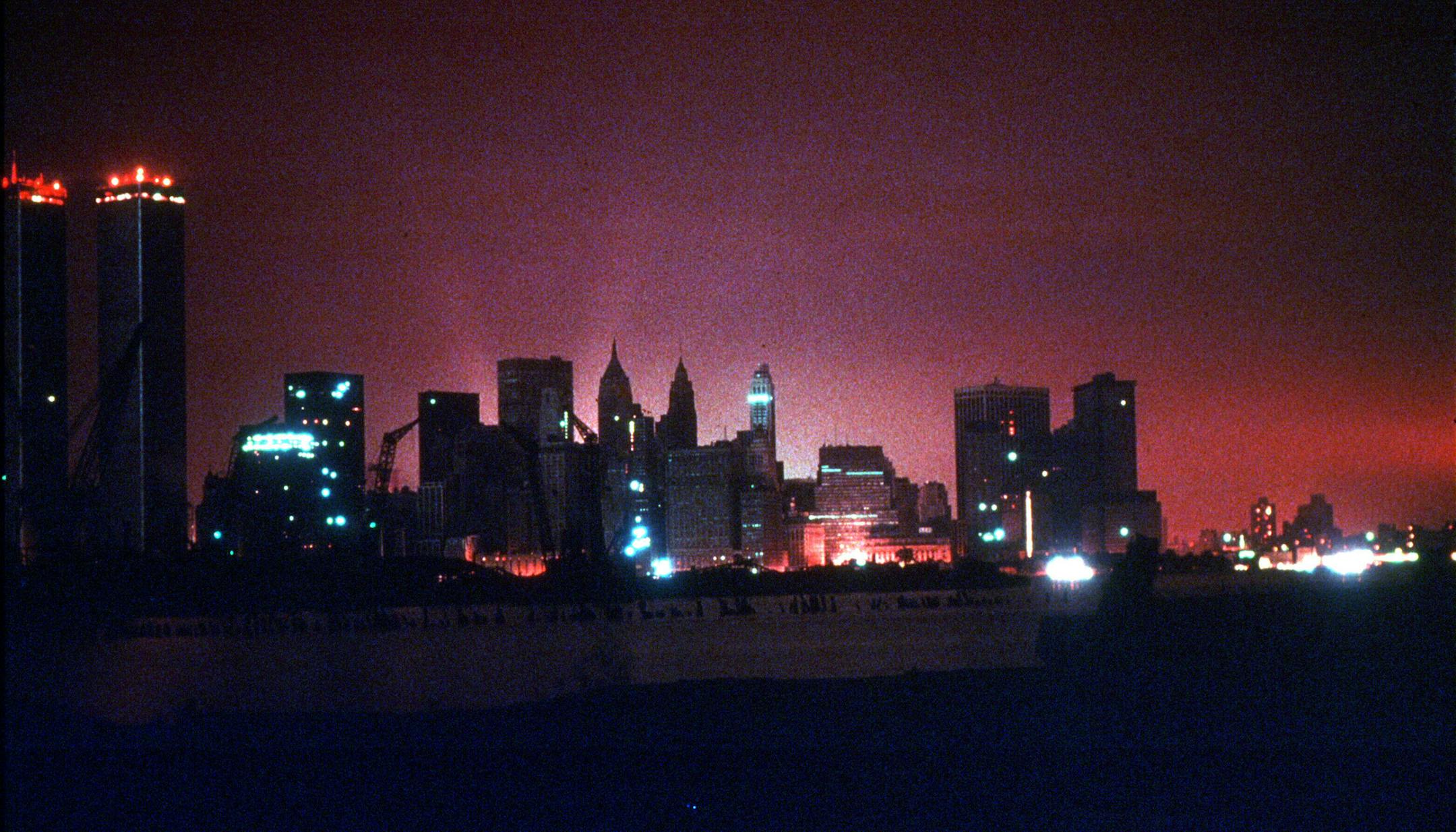
Forty years ago, in a thick summer heat, the creaking power grid that supplied electricity to New York City collapsed, leaving over 7 million residents in pitch darkness. It was not the first time in recent memory that Gotham's lights went out, but unlike a citywide outage in 1965 and brownouts that befell select neighborhoods on a rolling basis, the blackout of 1977 provoked a calamitous affair.
Under cover of night, countless citizens - many of them residents of ghetto neighborhoods - initiated an orgy of looting and arson that left over 1,000 buildings partially or wholly laid to waste. They plundered more than 1,600 businesses. "The size of the store didn't matter; who owned it didn't matter," explained the Westsider, a local community newspaper. Everything was fair game.
Rioters stripped clean a Pontiac dealership in the Bronx, driving 50 new automobiles straight off the lot. In Manhattan, they pillaged $40,000 worth of goods from a furniture store. "The restoration of power and the sunrise were the main elements in containing the emergency," a police official claimed.
The great blackout of 1977 represented more than just the failure of Con Edison to keep the lights on. To many New Yorkers and non-New Yorkers, alike, it placed in sharp relief the failures of American liberalism. A once-great city, hailed as a shining example of what progressive government might accomplish, could no more uphold law and order than provide its citizens with so basic a service as electricity.
The blackout influenced a mayoral election later that year that witnessed white ethnic city residents - most of them stalwart Democrats - lurch sharply rightward and presaged both Ronald Reagan's erosion of the New Deal coalition three years later and Bill Clinton's winning formula for recapturing the White House for Democrats in 1992. In short, the aftershocks of the blackout foreshadowed the political transformation that saw the entire political spectrum move rightward for more than three decades.
Just as New York's descent into darkness assumed thin political meaning at the time, its subsequent revival provides an equally useful guide to current politics on a national level. To understand why, it's helpful to zoom out.
Between the 1930s and early 1970s, New York was a labor town where 40 percent of residents worked at blue-collar jobs, unions claimed high rates of membership and wielded considerable influence, and the city erected a social welfare state unlike anything else in America. Over 200,000 city residents attended City University of New York (CUNY), tuition-free. New York erected middle-class housing, operated municipal hospitals, imposed price controls on rent, staffed a world-class public school system, kept mass transit prices affordable for working-class residents, and offered municipal workers generous health and retirement benefits.
But by the early 1970s, it was bleeding manufacturing, shipping and construction jobs - one of scores of cities that suffered through a broader economic realignment, as industry moved south and overseas, and new technology propelled a service-driven information sector. In New York and elsewhere, economic growth slowed to a crawl, household income eroded, and popular enthusiasm for government spending - particularly on programs benefiting people of color - faded.


