

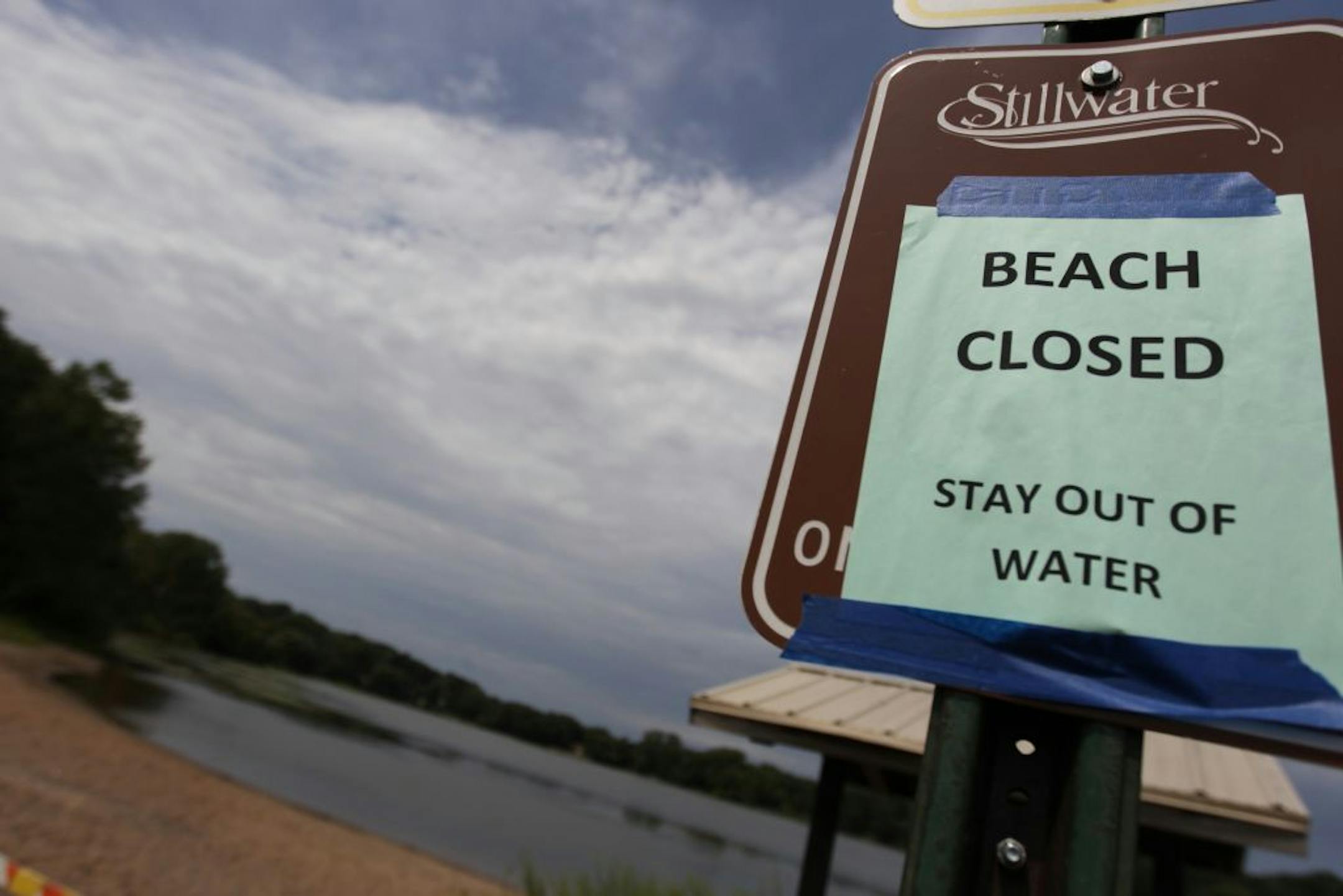
News that two children died from a waterborne amoeba after swimming in the same Stillwater lake in 2010 and 2012 unnerved Minnesotans.
Known cases of Naegleria fowleri, almost always fatal, had occurred until then in warmer, southern U.S. waters. And the U.S. had confirmed only about 120 cases since 1962.
"That's what really caught everybody's attention," said Travis Heggie, an associate professor at Bowling Green State University who has studied the amoeba in the U.S., Africa and the Mediterranean. "How is this warm water monster showing up in the cooler climates — or what is perceived to be the cooler climates?"
The question arrested national attention again this month after the death of Hunter Boutain, 14, who came in contact with the amoeba while swimming in Lake Minnewaska in central Minnesota — a larger and historically clearer lake than Lily Lake in Stillwater, where the prior infections had occurred.
Why now in Minnesota?
Global climate change could be warming lakes in the northern U.S. and creating more environments in which the amoeba thrive, Heggie said. "There's no other explanation for it at the moment."
A colleague in Europe is studying the genetics of the amoeba, though, and whether a modified strain could be emerging that is hardier in colder waters.
Another possibility is that the amoeba has long lurked in local lakes, but that the state is just now on guard against this rare infection. And it may be that earlier deaths were due to the brain infection meningitis but that no one ever confirmed the underlying cause.


