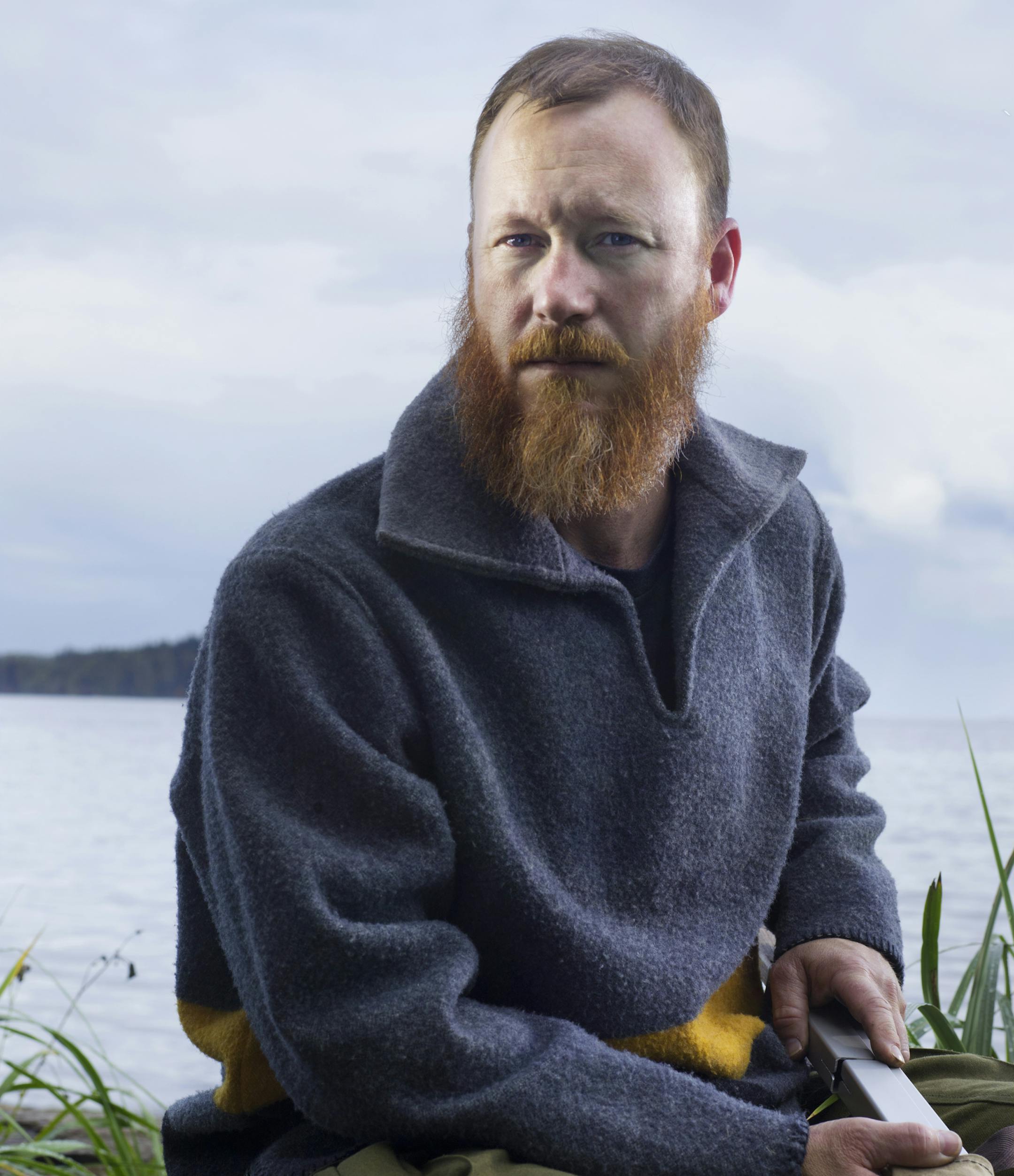
To the casual observer, electrician Larry Roberts is an unlikely choice to compete for $500,000 on a wilderness survival reality show. Dig a little deeper, however, and you'll find that the father of two from Rush City, Minn., is uniquely equipped when it comes to self-reliance in the outdoors.
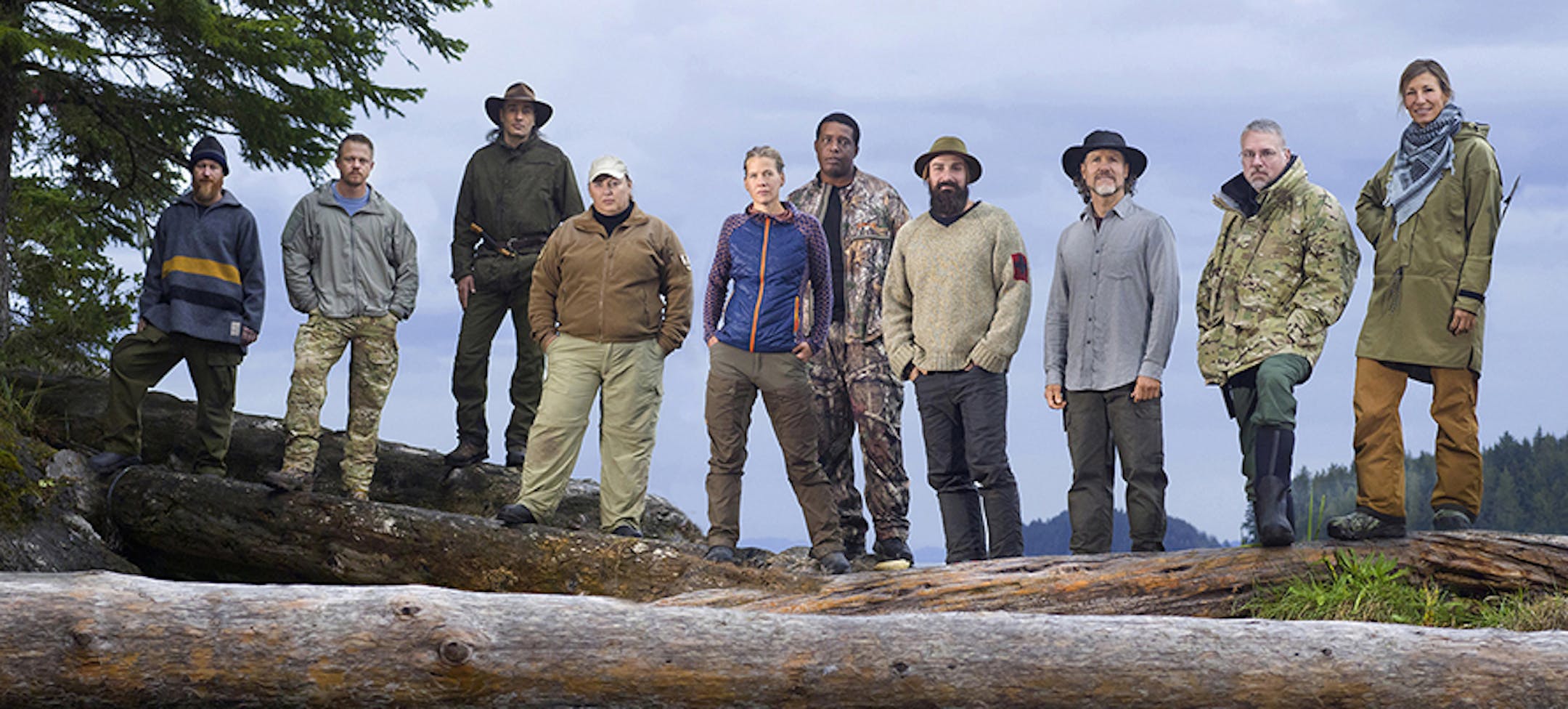
In fact, it was at a wilderness survival school where he first heard about the History Channel's survivalist series, "Alone." The show challenges a group of contestants to subsist deep in the wilderness of Vancouver Island, British Columbia, with just the gear they can fit into a small backpack. They are faced with finding food and water, constructing shelters, and warding off predators. As the title suggests, each person is separated by water or impassable mountains, with a small camera as his or her only means of documentation.
"With this show, they don't give you any help. You film everything yourself and there's no cameraman to save you or give you a sandwich. There's no way to cheat," said Roberts, 44. "After I watched the first season, I thought, 'Heck, yeah, I want to try that!' "
Upon his safe return to Minnesota, Roberts shared his insights from Season 2 of "Alone," currently airing. From life lessons to the more practical implications, he talked about what it's like to be truly alone with in the wild. (And you won't find a spoiler here.)
On his ambition to take on the challenge of "Alone"
I've always been interested in primitive skills. Once my kids were grown and left home, I was able to pursue studying those skills more in depth, and this show afforded me the chance to go out and test those skills. Plus, the alone aspect of the show is unique. I was hoping when I went out there it would give me some solitude and downtime to really reflect on the next chapter in my life. Both me and my wife definitely suffered from an empty nest syndrome. We got married when we were 18 and had our first kid at 21, so we've been a very tightknit group of four for the last two decades, and then suddenly half of our family left and it has been really hard for us to deal with. So I was hoping going out and being alone and doing this show and practicing my skills and immersing myself in nature would help me deal with some of that.
On his preparation
I don't think there's really anything that can prepare you for something like this, but I researched survival skills, read books, watched YouTube videos, and took classes at a survival school. When I was at work during the day, I'd think about how to solve some problem, like how to boil water with no container. Then I'd research it and use my property to practice and figure out the skill.
On his first thoughts after getting dropped off
My launch on the show was by helicopter, so it was this wonderful, exciting ride. And then all of a sudden, we landed and the pilot said, "Alright, time to get out!" The helicopter was blowing water all over me and they just gave me a couple tips and then, "Bam!" They left and the sound was gone, and it was like, "Wow, here I am!"
On the wildlife
It was humbling and hard to describe. In Minnesota, you can hardly camp anywhere — whether it's my backyard or the Superior Hiking Trail — without seeing a bunch of squirrels or having deer bleat at you in the middle of the night, or hear coyotes. There's just a lot of wildlife. It's easy to get caught up in a false sense of confidence that maybe I could survive because there are plenty of animals and all I'd need to do is set traps or do this or that. Well, on Vancouver Island it is a lot more desolate and there isn't quite the wildlife and prey. But on the other hand, the predators are much more confident with themselves. If I see a bear at my house, I say "Hey, bear" and he's going to take off, but if you see a bear on Vancouver Island, that bear might tell you to take off. It was humbling for me to step back and really understand the importance of not screwing with Mother Nature because she's unforgiving.