

![Photo illustration. ] Aaron Lavinsky • aaron.lavinsky@startribune.com Lawyers representing a group that may number more than 250,000 children have insisted that any opioid settlement or verdict must yield billions of dollars specifically earmarked for years-long monitoring of the physical and mental health of children born with "neonatal abstinence syndrome." That is the formal name for the cluster of difficult symptoms endured by babies who undergo withdrawal from opioids in the days aft](https://arc.stimg.co/startribunemedia/IGZ6K4H4HEXW77BGXYSSTKKE4Y.jpg?&w=1080)
Amid nationwide opioid lawsuits, attorneys for newborns suffering from exposure to opioids in the womb have made a last-ditch plea for special legal treatment for the infants and their guardians.
Lawyers from 20 firms representing a group that may number more than 250,000 children have spent much of the past two years seeking a separate trial against drug companies but have been rebuffed twice by the judge overseeing the sprawling case.
The children's lawyers also have complained that attorneys for cities and counties spearheading the lawsuit have refused to let them take part in settlement negotiations. The lawyers insist that a settlement or verdict must yield billions of dollars earmarked for yearslong monitoring of the physical and mental health of children born with "neonatal abstinence syndrome." That is the formal name for the cluster of symptoms endured by babies who undergo withdrawal from opioids in the days after birth.
Without that guarantee, the lawyers say cities and towns are likely to spend any money they receive from drug companies on more popular needs, as some states did with windfalls from the $206 billion settlement with tobacco companies two decades ago.
"Our goal is to make sure that we do not have a tobacco-style settlement, where all of the money goes to the governmental entities and there's not a significant trust set aside to help these children," said Stuart Smith, one of the lawyers representing the families.
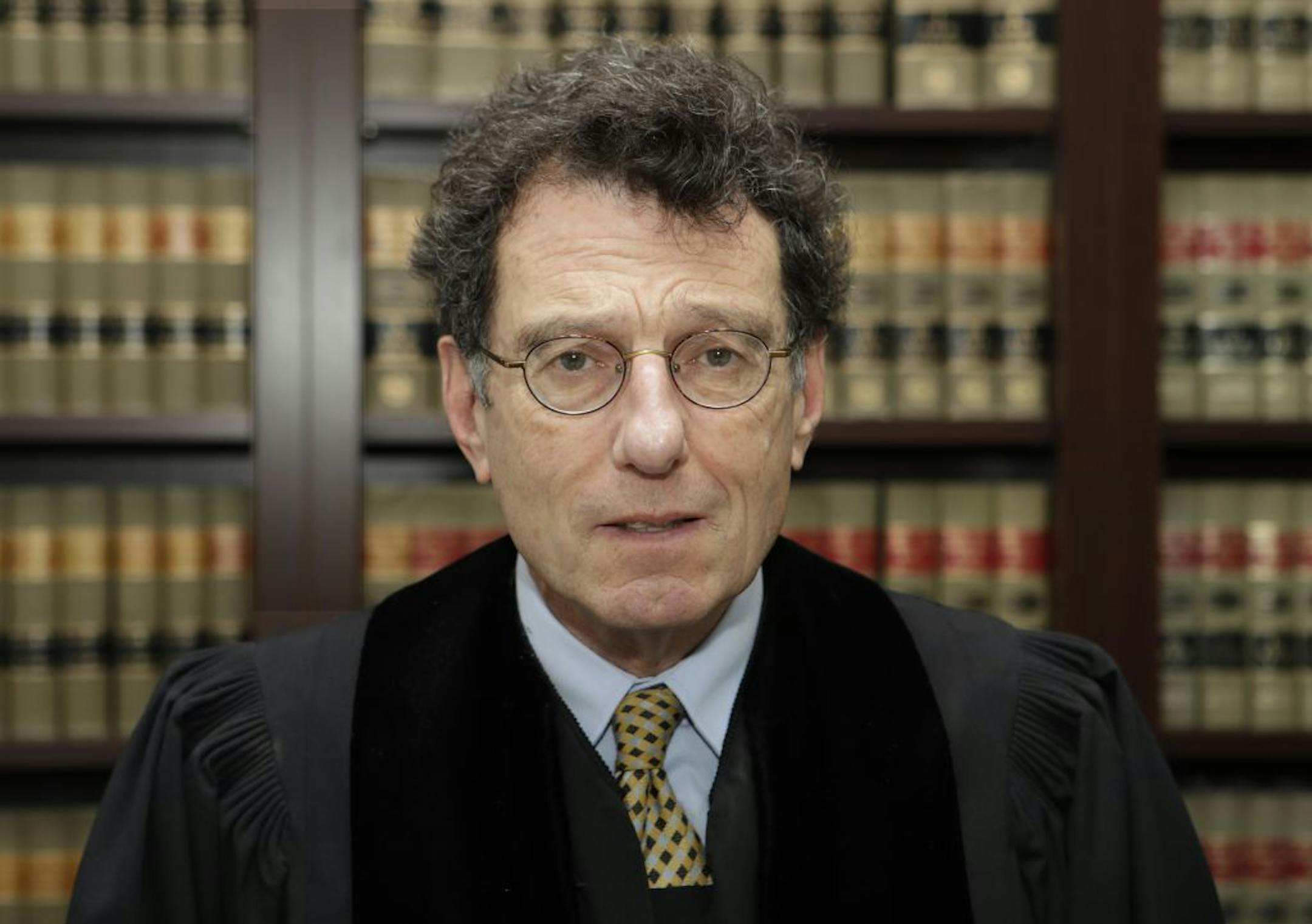
About 2,000 plaintiffs, most of them cities and counties, have sued about two dozen drug companies over culpability for the prescription opioid epidemic, which has killed about 200,000 people in two decades. The cases were consolidated in a Cleveland federal court, where Judge Dan Aaron Polster is overseeing them.
Polster has encouraged the hundreds of lawyers involved to work out a mass settlement. If that does not happen, a test-case trial involving two Ohio counties, Cuyahoga and Summit, would begin later this month.
Separately, nearly every state has sued drug companies in their own courts, reasoning that they have the advantage there.
![Photo illustration. ] Aaron Lavinsky • aaron.lavinsky@startribune.com Lawyers representing a group that may number more than 250,000 children have insisted that any opioid settlement or verdict must yield billions of dollars specifically earmarked for years-long monitoring of the physical and mental health of children born with "neonatal abstinence syndrome." That is the formal name for the cluster of difficult symptoms endured by babies who undergo withdrawal from opioids in the days aft](https://arc.stimg.co/startribunemedia/AY47HW46UATPPHFGFNE6NPSZUU.jpg?&w=1080)


