

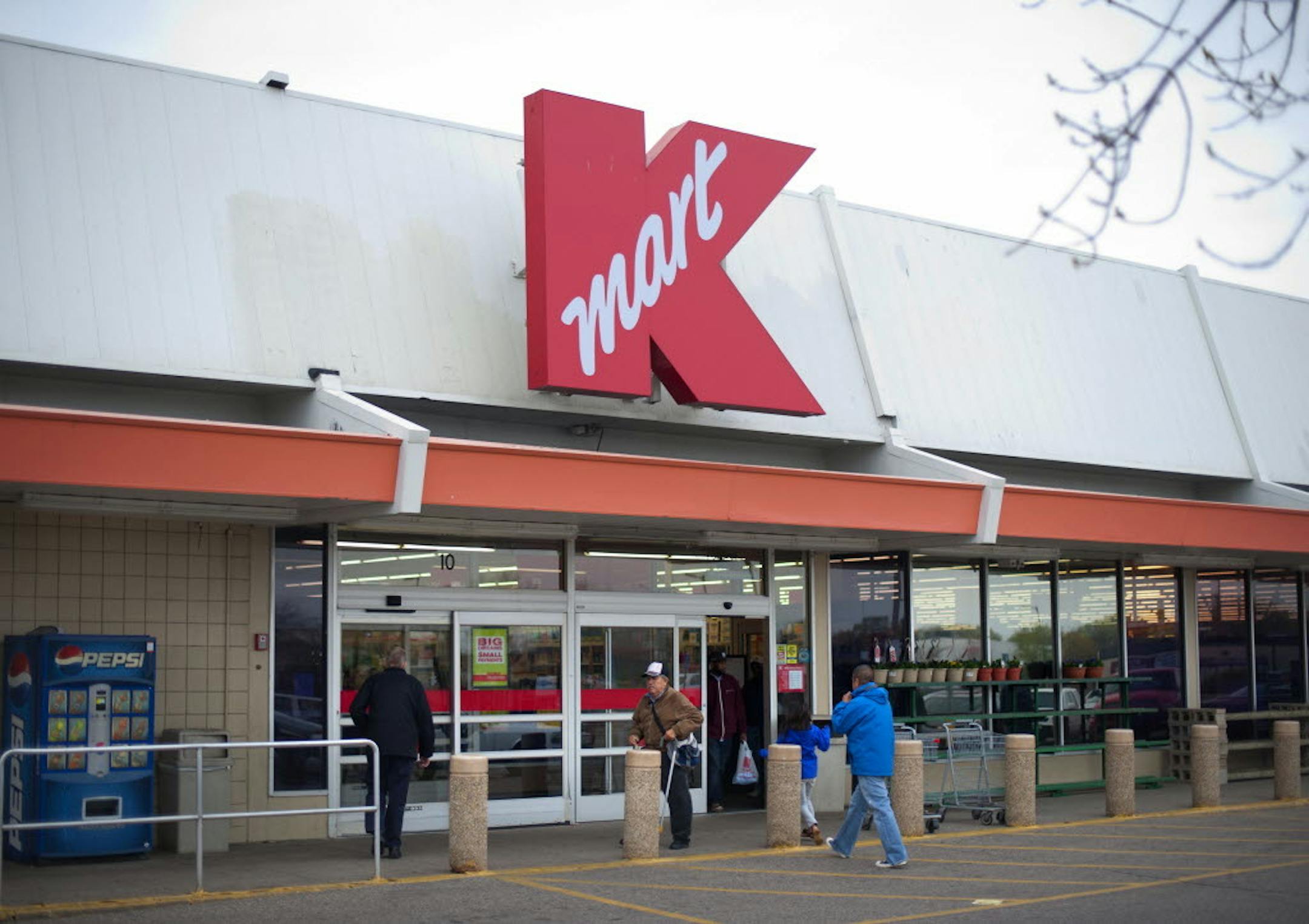
Kmart is introducing a rent-to-own program charging the equivalent of 100-plus percent annual interest, a move into a business that has drawn criticism for hurting low-income consumers.
The Lease-to-Own program touts instant gratification — customers without credit take a product home right away, make biweekly payments, then decide whether to buy out or return the product. A typical deal could turn a $300 television into a $415 purchase. Sears Holdings Corp., which owns Kmart, debuted a similar program at its namesake stores earlier this year.
"The rent-to-own industry promises consumers the American dream of ownership," said Ed Mierzwinski, consumer program director at U.S. Public Interest Research Group, a Boston-based consumer group. "But its contracts provide for very high-cost payments, and it is difficult to complete the contract."
Jai Holtz, Sears Holdings' vice president of financial services, says the Sears rent-to-own program has grabbed new customers who don't qualify for credit, allowing them to buy televisions and other big-ticket items.
"I'm not here to convince you lease-to-own is not more expensive than a credit program," Holtz said. "Our total cost of ownership, for a customer who otherwise cannot get credit, is much lower than the others in the industry offering these types of products. This is really coming from consumer demand."
Kmart's lease-to-own program, which begins Nov. 22, comes as U.S. retailers brace for a tough holiday shopping season, during which sales are projected to rise 2.4 percent, the smallest gain since 2009, according to Chicago-based researcher ShopperTrak.
Sears Holdings has been struggling since hedge-fund billionaire Edward Lampert orchestrated the merger of Kmart and Sears in 2005.
Last month, the company said same-store sales, a key gauge of performance, slid 3.7 percent in the 12 weeks ended Oct. 26 and that its third-quarter adjusted loss before interest, taxes, depreciation and amortization widened.


