

WASHINGTON – The Supreme Court has steered away from controversy in the three months since Justice Antonin Scalia's death. That's about to get harder.
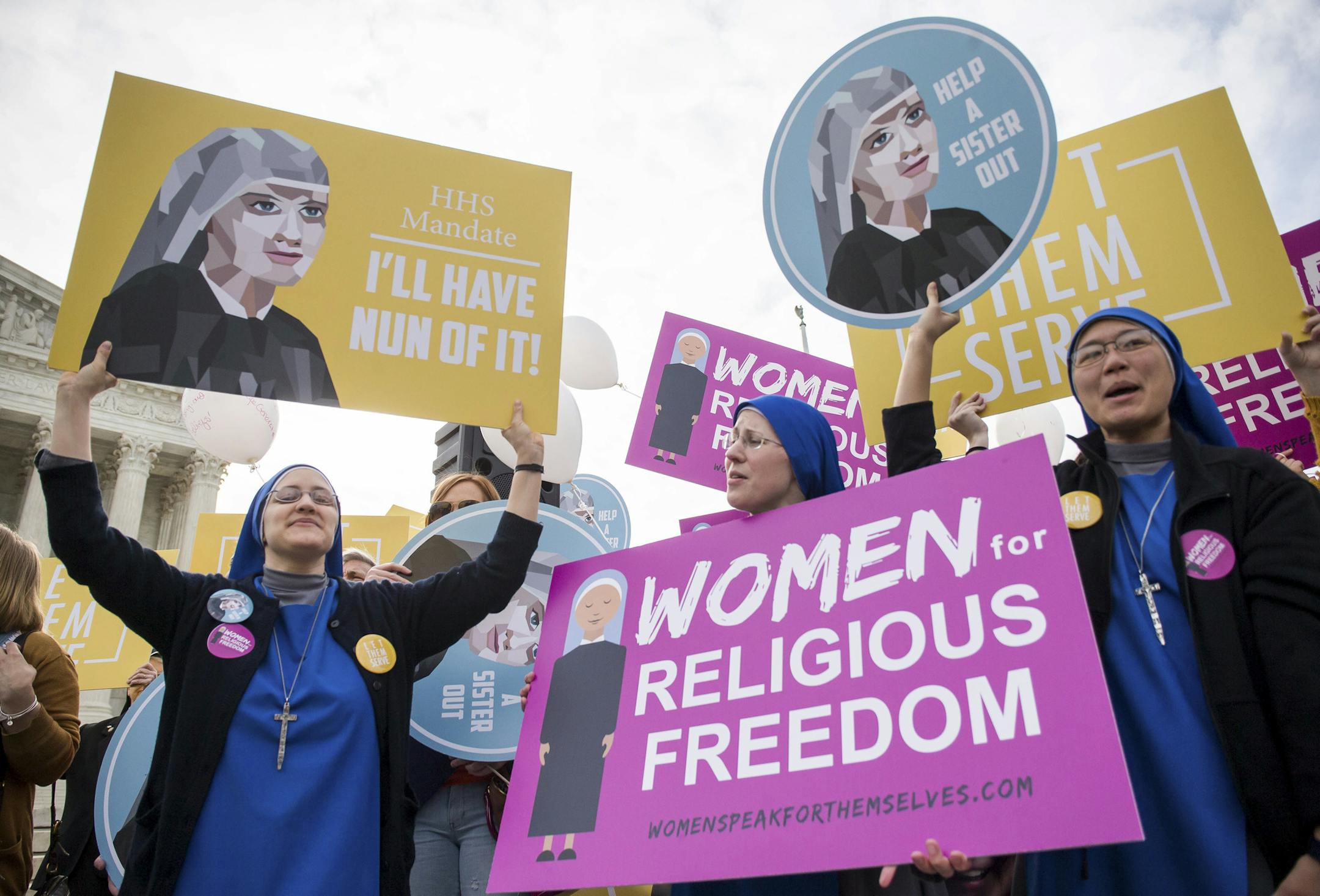
The court is opening the last phase of its term, a six-week stretch that will feature rulings on affirmative action, immigration, abortion, contraceptive coverage and Puerto Rico's debt. A batch of opinions is likely on Monday.
Each dispute has the potential to divide the eight justices, highlighting what's at stake from the Senate's refusal to consider Judge Merrick Garland, President Obama's nominee to replace Scalia. The cases could also thrust the court more deeply into the 2016 election fray and the presidential race between Donald Trump and, most likely, Hillary Clinton.
At the same time, the cases offer ways for the justices to rule narrowly and defer consideration of more sweeping issues. Consensus may hold appeal on a court that prides itself on being above politics.
"I see the justices as almost trying to hide," said Michael Dorf, a law professor at Cornell Law School. "There are cases on the court's docket that connect to hot-button issues that divide the country pretty sharply."
The justices have muddled along since Scalia's death on Feb. 13. Several publicly indicated they would try to avoid a rash of 4-4 ties that might suggest a judiciary in crisis. "All of us are working hard to reach agreement," Justice Elena Kagan said in April.
Those efforts have produced 13 mostly narrow rulings. The biggest was a unanimous decision that said states and cities could keep using their methods for drawing election district lines.
So far, the court has produced only two deadlocked results, including one that let 20-plus states continue to require public-sector workers to help fund the unions that represent them. That number may now start to climb.


