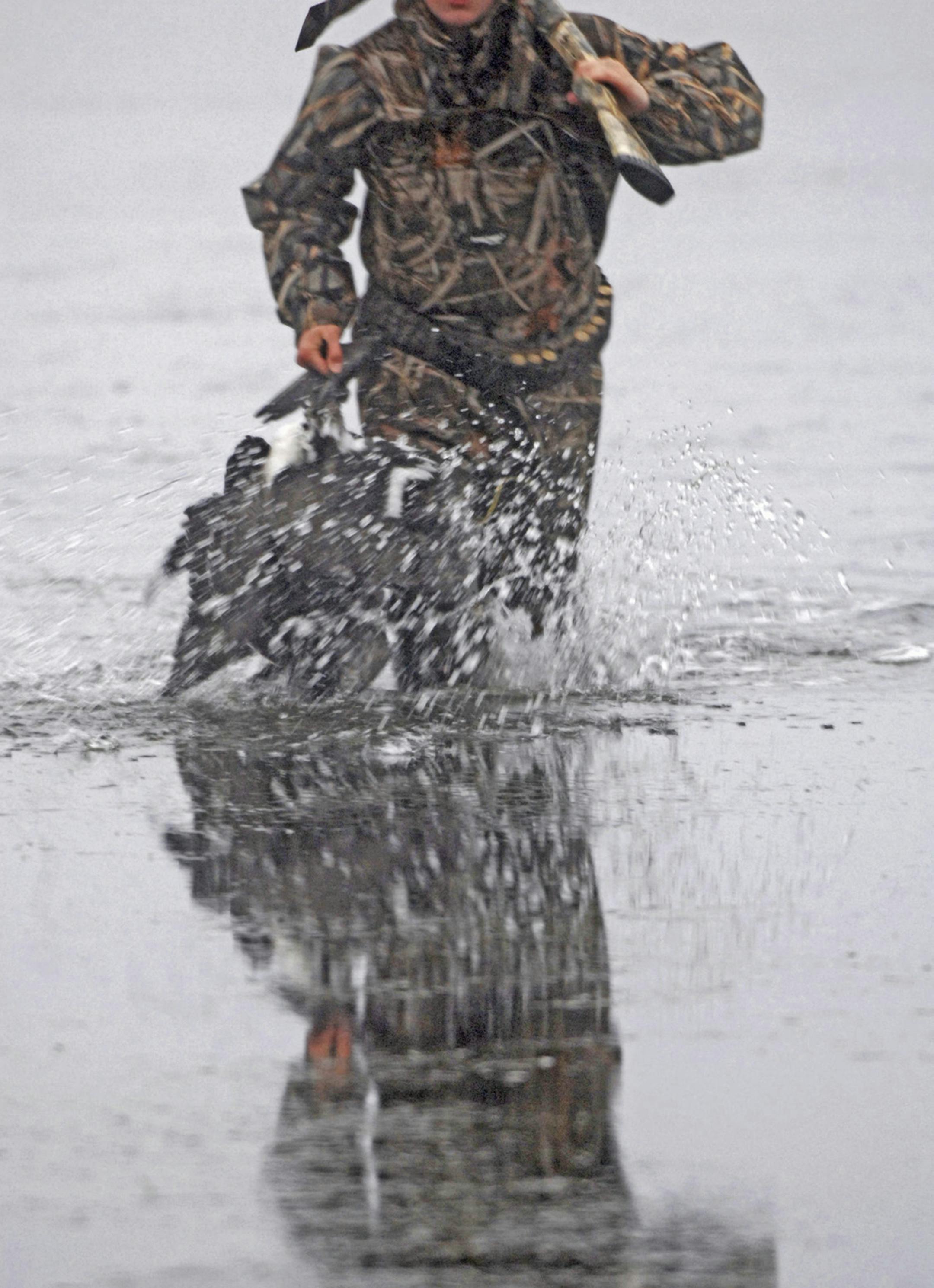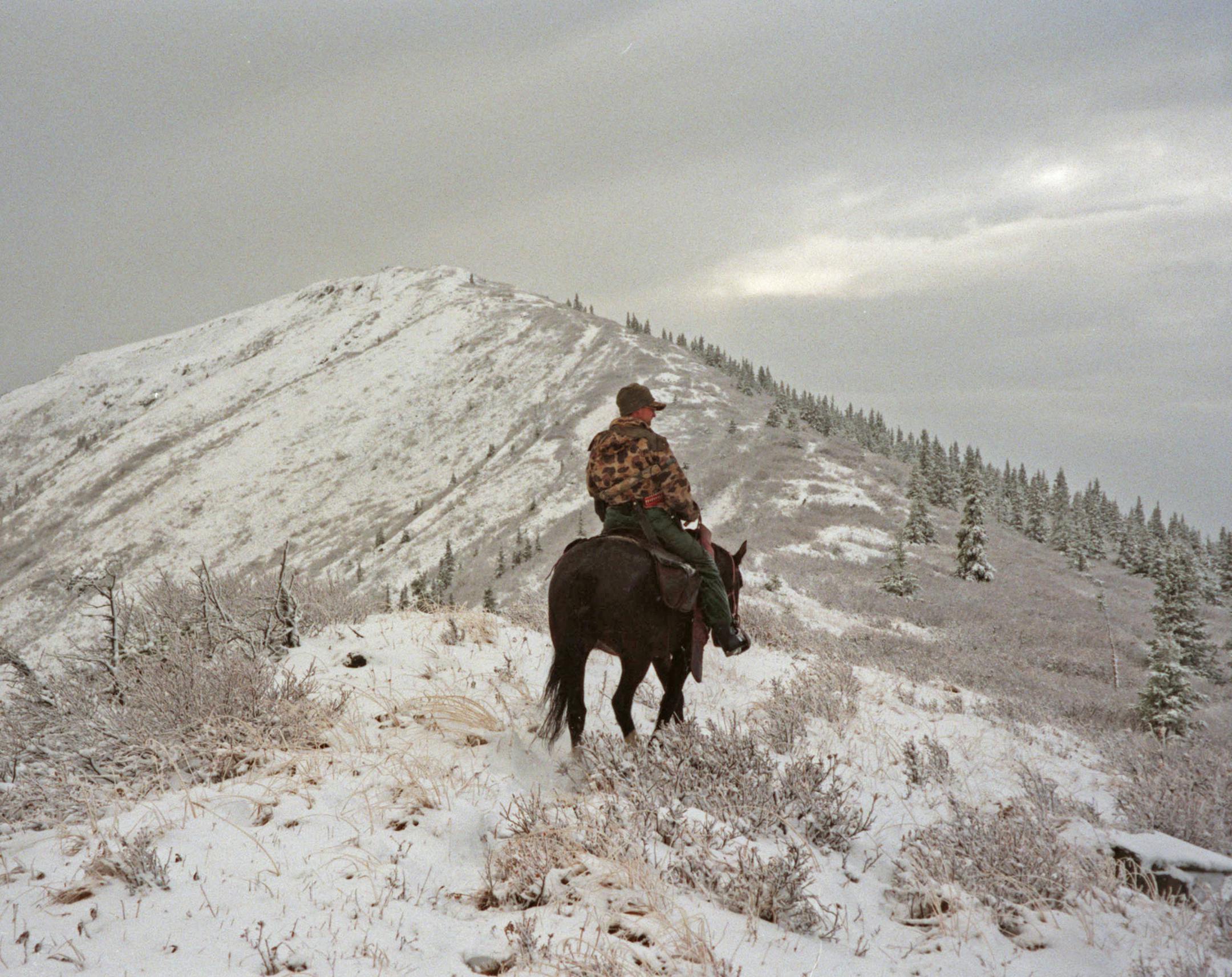
It's hard to forget the shake-you-to-your-core fear you feel as a kid the first time you're asked to retrieve something from a dark basement. Over time, that fear becomes excitement the more you ascend the stairway, having successfully avoided whatever monsters call the lower level home.
The analogy offers insight into hunting. For many, the social aspect of the sport is part and parcel to the experience, and the idea of going it alone stirs memories of descending that creaky stairway, uncertain about the unknown.
Yet many hunters who head afield by themselves look favorably upon the experience, understanding, for example, that the spectacle of a rising sun casting its golden autumn hues across an endless prairie doesn't have to be shared to be treasured.
In the final wash, each hunter defines success in different ways. And if the only measure is time spent with others, hunting alone isn't a good option.
But for those who rate as important solitude and quiet, and the freedom that attends making their own decisions while understanding the way hunting must have been before it was an excuse to hang out with buddies, there's much to like about striking out on their own — whether it's a solo adventure out west for elk or deer, or an outing closer to home for smaller quarry.
Following are profiles of three hunters who, for various reasons, spend most of their time afield on their own.
Bill Hildebrand: Pheasants
When his boys were growing up, Bill Hildebrand made pheasant hunting with them a priority. Together, they kicked through some of the grasslands the elder Hildebrand hunted with his father, and also struck off to find new spots of their own.
Then one boy went to college. Some years later, so did the other. Suddenly, Hildebrand wasn't so sure he wanted to go afield anymore, his hunting buddies having moved away.