

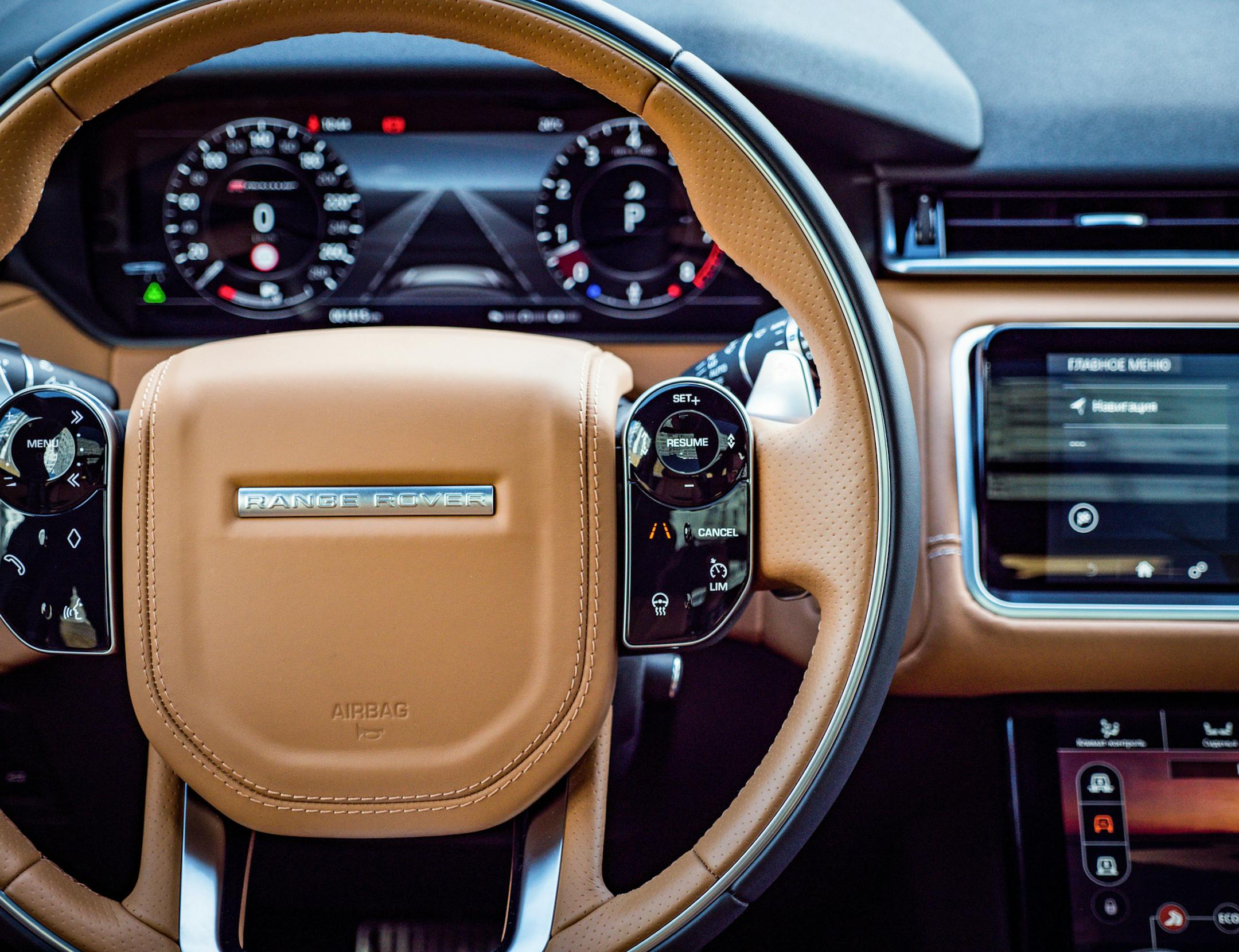
Having a spotless driving record doesn't guarantee you will receive a low car insurance rate. While your driving history matters, the car you drive also matters — and it can affect your rates more than you may think.
Your car insurance rate is based on a number of factors that help determine the risk presented by you and your vehicle. If you want to keep the cost of your car insurance down, you will want to pay attention to these things when you search for your next ride.
Car value
Rates are based on your car's value, said Jacki Frank, president of operations at Tri-County Agency of Brick Insurance in Brick, N.J. The more expensive your car is, the more it'll cost to repair or replace it.
That's why new cars and sports, electric and luxury vehicles tend to cost more to insure. Frank said they often have additional features such as custom paint jobs, hiking up the price of the car — and your insurance bill.
Safety records
Your car's safety record can also affect your rates. A car that is better at avoiding crashes and protecting its passengers generally means fewer and cheaper insurance claims.
Carriers also look at how frequently claims are filed for each car model. For example, sports cars tend to attract young drivers, who are more likely to get into crashes than older adults, according to the Insurance Institute for Highway Safety. As a result, insurance prices are often higher for these kinds of vehicles.
Looking for a safe car that's also budget-friendly? The Subaru Outback, a 2020-21 IIHS top safety pick for midsize cars, topped NerdWallet's analysis of the cheapest cars to insure among 2020s 25 most-popular vehicles.
High-tech features
Many of the extra features drivers are accustomed to, such as heated seats and blind-spot monitoring, increase your safety and comfort — but at a cost.


